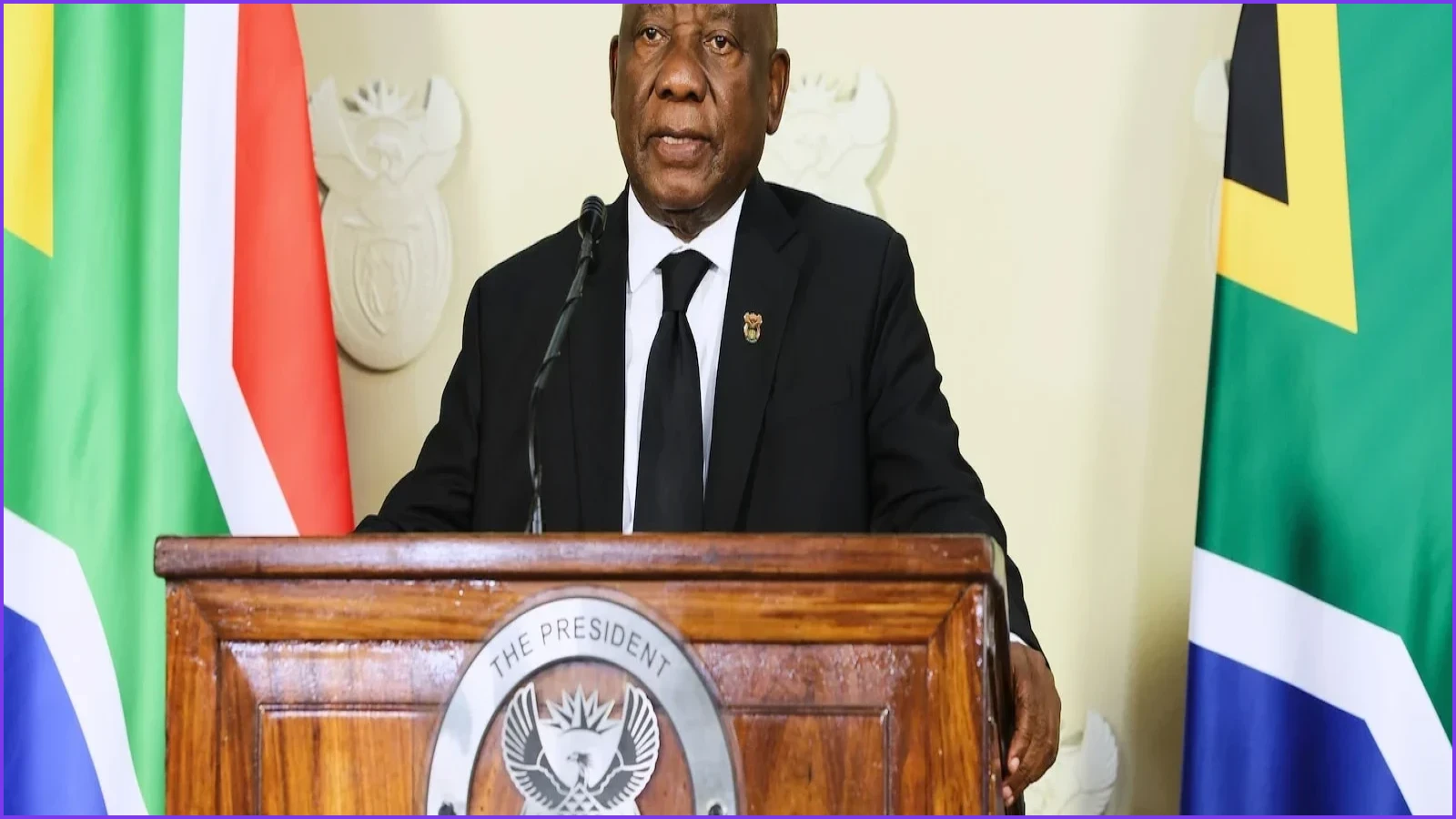
South African President Cyril Ramaphosa announced a series of new government measures on Tuesday aimed at curbing gender-based violence, following a disturbing rise in killings in Ekurhuleni, east of Johannesburg. Since July, at least 11 women have been killed in the area, sparking widespread fear and public anger. During a televised national address, Ramaphosa stated that the government must confront the "uncomfortable truth" that previous efforts have been insufficient.
As part of the new strategy, the government will conduct an audit of women’s safety within 60 days. Local authorities across the country are now required to identify high-risk areas, specifically targeting locations with broken streetlights, abandoned buildings, and poorly secured parks. Once the audits are complete, the administration plans to implement funded initiatives to address these identified hotspots and clear backlogs related to gender-based violence crimes.
Additionally, Ramaphosa has ordered the police and the National Prosecuting Authority to conduct a comprehensive review of all unresolved cases involving murder, attempted murder, rape, and other forms of gender-based violence within 90 days. A high-level team has been specifically assigned to investigate the recent spate of killings in Ekurhuleni, where the body of the 11th victim was discovered on Sunday. While police have not officially linked all the recent deaths, they have arrested four suspects and are actively collecting forensic evidence, including DNA, blood samples, clothing, and cellphone records.
Addressing the national crisis, Ramaphosa noted that South Africa recorded 5,427 homicides between April and July. According to UN Women, the country maintains one of the highest femicide rates globally. A 2022 study by a South African think tank indicated that over 35% of adult women in the country have experienced sexual or physical violence. Ramaphosa urged men to lead the fight against this violence, emphasizing that many victims are attacked by people they know. He added, "Women change their routes home, avoid going out at night and warn one another about dangerous places and dangerous men. We have placed the burden of male violence on women."