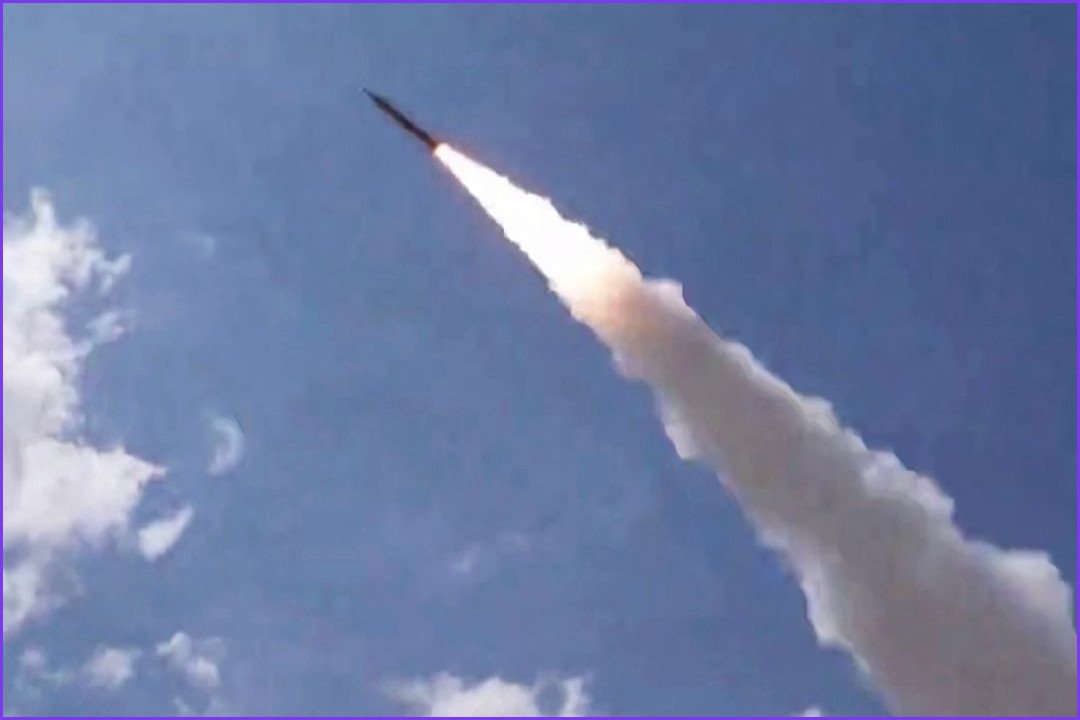
Tensions in the Middle East reached a critical peak on Saturday as the region endured its seventh consecutive night of intensified military escalation. Iran reported that US strikes resulted in three deaths and eight injuries within the southern province of Hormozgan. In a move to retaliate against these actions, Tehran announced it had struck various US military assets across Kuwait, Bahrain, and Jordan. The conflict, which began on February 28 with deadly US-Israeli attacks on Iran, has led to a significant regional crisis.
According to statements carried by Iranian state media, forces targeted an ammunition depot at the Al-Adiri camp in Kuwait, as well as headquarters buildings and ammunition depots at the Ali Al-Salem base. Furthermore, Iranian forces claimed to have hit several communication bridges and a power and water plant in Kuwait, prompting the Kuwaiti electricity ministry to urge citizens to ration energy. The Kuwaiti military confirmed that several of its troops were wounded after Iranian drones targeted multiple bases and camps.
In Jordan, the state broadcaster reported that fuel tanks at the Al-Azraq base were struck. Meanwhile, Iran’s Revolutionary Guards stated they had targeted US radar systems and military aircraft in Qatar, with Doha confirming the interception of a missile attack. Tehran also asserted it had attacked two US radar sites in Oman and the Al-Tanf military base in Syria; however, a Syrian military source denied the latter, and US forces noted that they had withdrawn from the Al-Tanf facility earlier this year.
Major General Mohsen Rezaei, a senior military advisor to Iran’s supreme leader, warned that Tehran would resume full-scale offensive operations if US attacks persist for another two or three days. Rezaei stated that Iran would no longer limit itself to retaliatory, like-for-like responses, adding that no political border would remain safe. Since the hostilities began, Iran’s health ministry reports that at least 38 people have been killed and more than 400 wounded in the country.
The current conflict, which has seen the US reimpose a blockade on Iranian ports, also involves disputes in the Strait of Hormuz. The Revolutionary Guards claimed to have stopped four ships in the waterway and alleged that two oil tankers exploded after hitting mines, blaming the incident on deceptive American intelligence agencies. The US military quickly denied these claims, asserting that its own attacks were designed to continue degrading Iranian military capabilities. Iran accused US forces of targeting civilian infrastructure, including an airport, a railway station, and two bridges. While US President Donald Trump has previously warned of hitting Iranian infrastructure, there was no confirmation from the US side on Friday that such strikes had begun.
As the power grid in Iran comes under severe strain, the country’s energy ministry has urged citizens to reduce electricity use and switch off air conditioners during peak hours. Amidst the ongoing violence, international mediators, including China and Pakistan, have called for an immediate cessation of hostilities and a return to diplomatic negotiations. Additionally, the UK Maritime Trade Operations agency reported on Friday that a tanker was struck by a projectile off the coast of Oman overnight.