Dozens of schools across Indonesia have shuttered for a second consecutive day as hazardous haze from wildfires continues to spread throughout the archipelago. The fires are intensifying at the beginning of an unusually harsh dry season, a situation authorities attribute to the El Nino weather phenomenon.
In West Kalimantan, located on the island of Borneo, the mayor of Pontianak, Edi Rusdi Kamtono, issued an order for schools to close due to thick smoke drifting over the city from surrounding fires. The mayor confirmed in a statement on Monday that children will continue their education from home until air quality improves. While the exact number of affected schools remains unspecified, public records indicate that Pontianak serves tens of thousands of students. Mayor Kamtono noted that the haze has become particularly noticeable in the city during the early morning and nighttime hours.
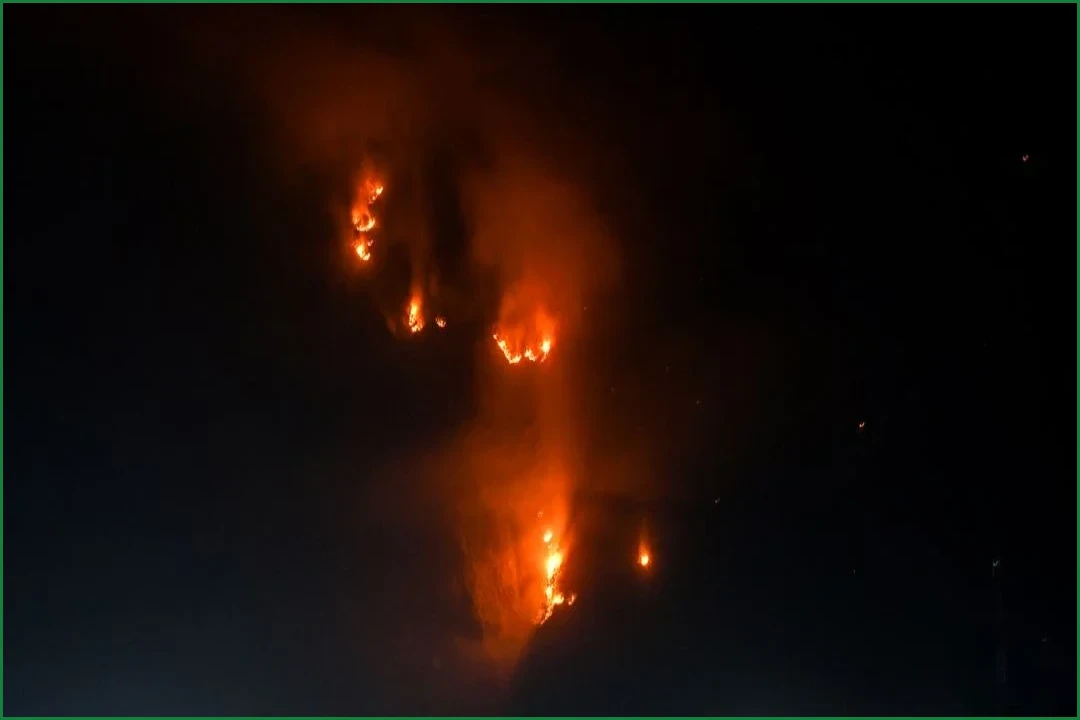
Meanwhile, in East Java, emergency crews have spent nine consecutive days battling a major blaze within the Bromo Tengger Semeru National Park. The fire, which began the previous Monday, has already consumed approximately 900 hectares of land—an area roughly equivalent to 1,200 football fields and nearly two percent of the total park. The tourist destination has been closed to visitors since Saturday. Local disaster official Satriyo Nurseno stated that authorities are mobilizing all available resources, including three water-bombing helicopters and fire trucks, to assist roughly 200 personnel, including forest rangers, police, and soldiers, in extinguishing the flames and soaking the ground to prevent reignition.
Countrywide, nearly 50,000 firefighters have been deployed to combat wildfires across six provinces. Security Minister Djamari Chaniago reported that the government has utilized 43 helicopters and 15 fixed-wing aircraft to conduct cloud seeding operations, which involve spraying silver iodide and salt to induce rainfall. According to the BNPB disaster agency, more than 107,000 hectares of land have been scorched so far this year, doubling the total area burnt throughout 2023.
The BMKG weather agency has warned that the country is facing a high risk of drought and wildfires. Data from the agency shows that the average air temperature in July reached 27°C, surpassing the 26.2°C average and marking the highest increase for the month since 1991. El Nino, which alters global wind and rainfall patterns, is a primary driver of these drier conditions. Despite the widespread destruction, authorities maintain that national food stocks remain adequate.