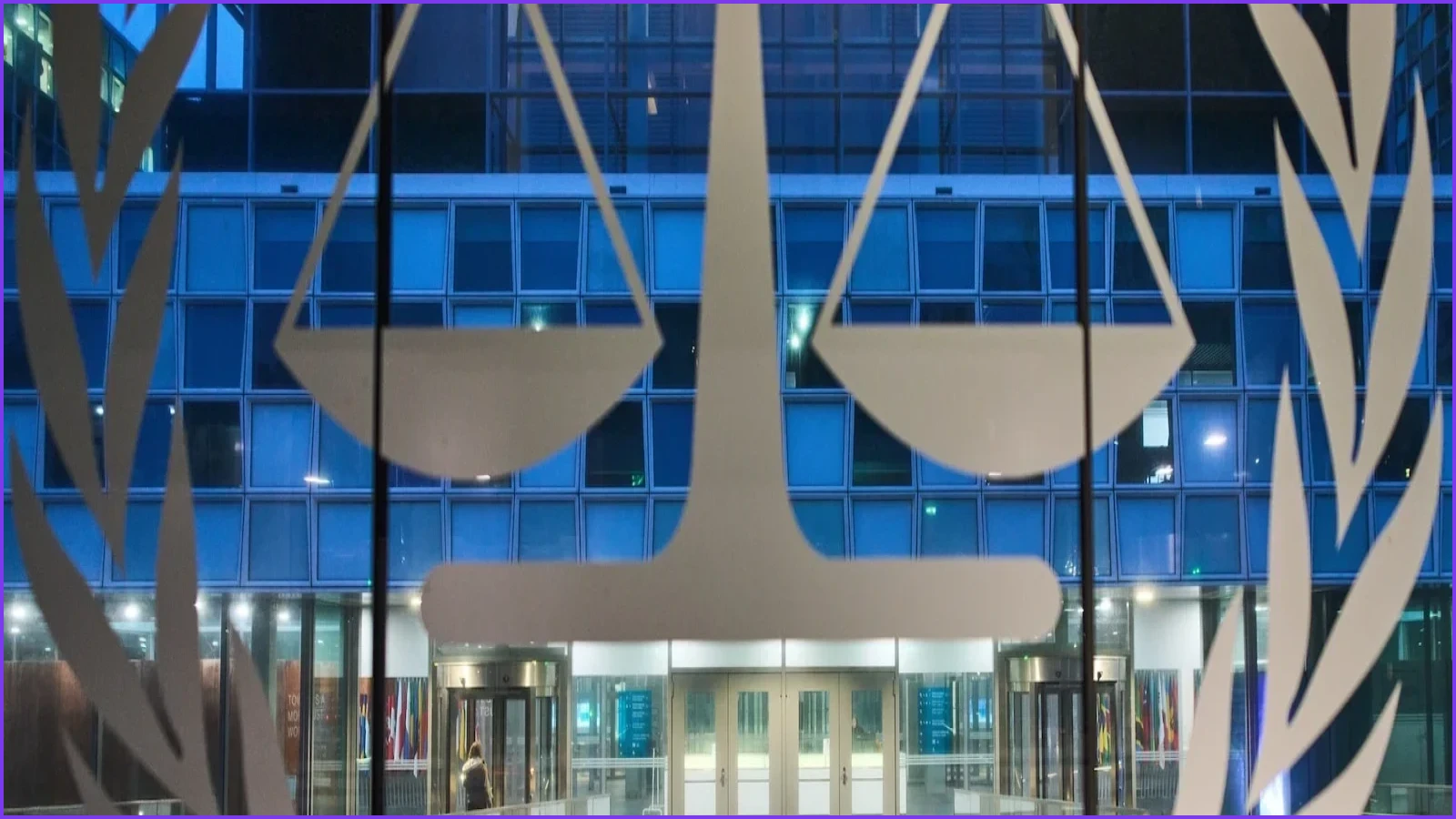
The International Criminal Court (ICC), based in The Hague, Netherlands, announced on Monday that it will unseal arrest warrants for four senior Taliban leaders. The officials are accused of crimes against humanity, specifically gender persecution targeting women, girls, and members of the LGBTQI+ community in Afghanistan since the Taliban seized power in 2021.
According to a statement from the court, the warrants were originally issued in July and September of last year. The wanted individuals include the Taliban's supreme leader, Hibatullah Akhundzada, and the head of Afghanistan's Supreme Court, Abdul Hakim Haqqani. The ICC is also seeking the arrest of Education Minister Habibullah Agha and Minister of Higher Education Neda Mohammad Nadim.
While the existence of the warrants against Akhundzada and Haqqani was disclosed last year, they had remained sealed until now. However, because the ICC lacks its own police force and the Taliban maintains firm control over Afghanistan, the likelihood of any of the four suspects being apprehended remains remote.
Since reclaiming control of the nation, the Taliban has systematically stripped women of their rights, barring them from employment, most public spaces, and education beyond the sixth grade. Last year, Akhundzada went as far as banning buildings from having windows that look into areas where a woman might sit or stand. Efforts to obtain a reaction from the Taliban regarding the court's latest announcement were not immediately successful.
The legal push began in January of last year when former ICC Chief Prosecutor Karim Khan announced his request for the warrants. At the time, Khan stated that his applications "recognize that Afghan women and girls as well as the LGBTQI+ community are facing an unprecedented, unconscionable and ongoing persecution by the Taliban."
The court stated on Monday that the four suspects are accused of persecution on gender grounds against "girls, women and other persons nonconforming with the Taliban’s policy on gender, gender identity or expression; and on political grounds against persons perceived as ‘allies of girls and women.'" Although the warrants are being unsealed, full details were not immediately made public.
The judges who issued the warrants noted that the four suspects, "acting on behalf of the Taliban," executed a government policy that "resulted in severe violations of fundamental rights and freedoms of the civilian population of Afghanistan, in connection with conducts of murder, imprisonment, torture, rape and enforced disappearance."
Furthermore, the judges emphasized that the Taliban "specifically targeted girls and women by reason of their gender, depriving them of fundamental rights and freedoms" such as education, privacy, family life, and the freedoms of movement, expression, thought, conscience, and religion. They added that "other persons were targeted because certain expressions of sexuality and/or gender identity were regarded as inconsistent with the Taliban’s policy on gender." Human rights organizations had previously welcomed the court's decision when the initial sealed warrants were issued last year.