Italy has yet to finalize its decision regarding how much it will draw from low-interest defence loans under the European Union's Security Action for Europe (SAFE) programme. While the European Commission and the Council swiftly approved Italy's request for €14.9bn, the government in Rome has not signed the necessary loan agreement, leaving Brussels and other European capitals increasingly impatient as the year-end deadline for reallocating unspent funds approaches.
The SAFE programme is designed to provide European governments with low-interest loans to address critical gaps in military capacity, including support for Ukraine's war effort. To date, 17 EU countries have finalized their loan agreements with the Commission, with the Czech Republic being the most recent to do so in July. Italy remains the sole outlier, effectively preventing other member states from accessing the remaining funds, which are estimated at approximately €10bn. This delay is particularly concerning for countries like Poland and Lithuania, which had previously requested more funding than they were ultimately granted and are now eager to see if additional resources will become available.
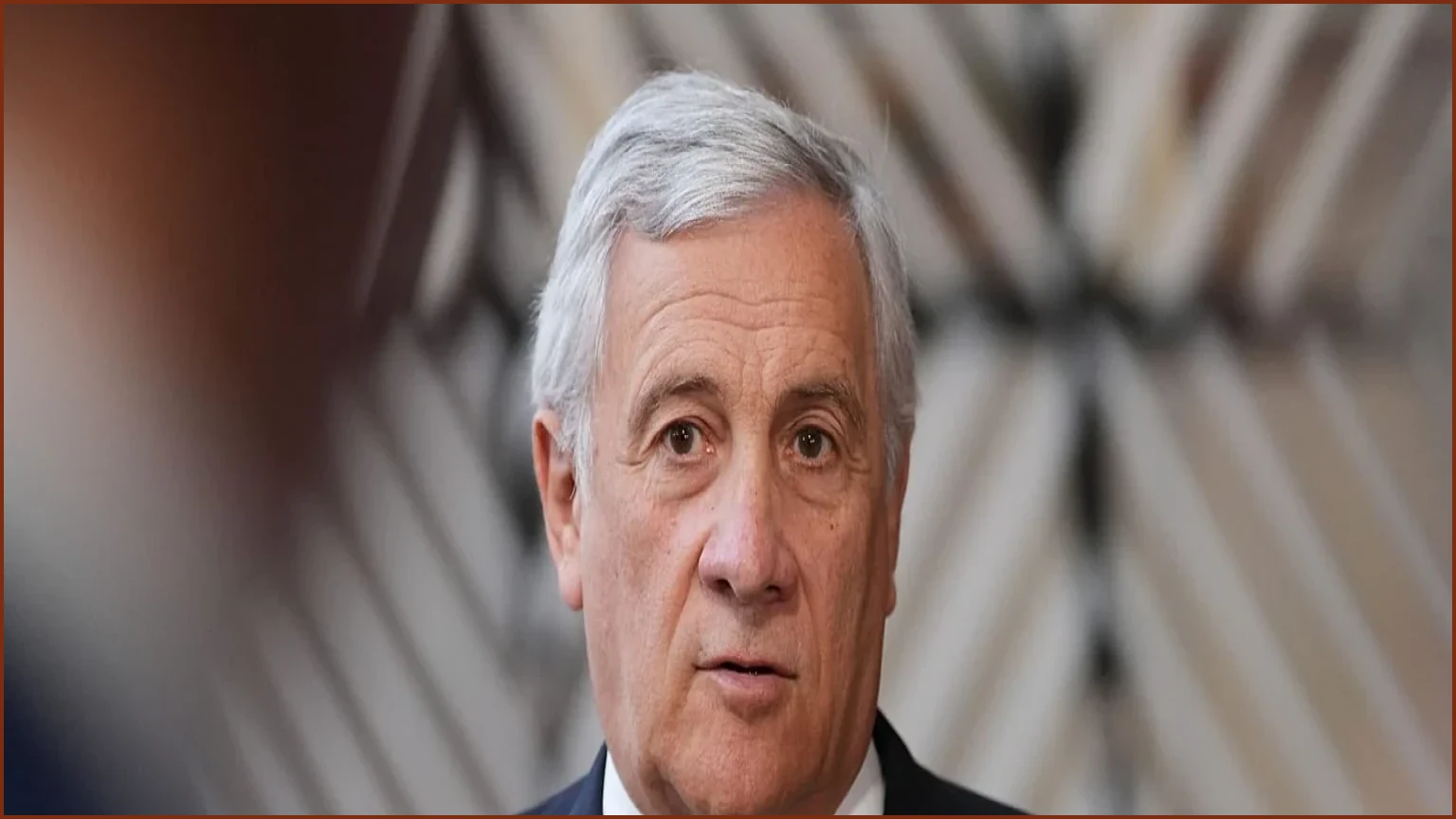
Confusion regarding Italy's intentions peaked on Tuesday when Foreign Minister Antonio Tajani initially stated that Rome would request the full €14.9bn. He later retracted that statement, clarifying that Italy had only "reserved" the amount as a maximum potential need. Tajani explained to reporters that the final amount would be decided at the end of the year, noting that it would likely be less than the total, potentially falling between six, seven, eight, or nine billion euros, a range previously mentioned by Defence Minister Guido Crosetto. In response to the ongoing uncertainty, European Commission spokesperson for defence Thomas Regnier stated at a press conference on Tuesday that there is no time to lose regarding the implementation of the SAFE programme.
The situation is complicated by the strict technical timeline required under the programme's legal framework. If Italy decides to draw less than the full amount, it must submit a revised operational plan—a classified list detailing exactly how the funds will be spent. The Commission would then be required to launch a second call for the unspent money to be reassigned to other member states. Frustration is mounting among these nations, as they need clarity on the remaining funding levels to define their own national plans. The Commission may be forced to intervene as early as September, potentially telling Italy it can only reserve a specific amount and then moving to recommission the remainder to avoid missing legal deadlines.
Several domestic factors are contributing to Italy's hesitation. The country is currently grappling with some of the highest energy prices in Europe, largely due to its reliance on fossil fuels and the supply shock caused by the closure of the Strait of Hormuz. Prime Minister Giorgia Meloni has previously written to Commission President Ursula von der Leyen requesting that energy resilience be granted the same fiscal flexibility as defence spending. While the Commission allowed for a broad interpretation of the National Escape Clause to cover energy resilience, it did not grant all the emergency measures Rome had requested. These rising costs pose a political risk to Meloni's government, especially with national elections scheduled for next year.
Furthermore, the right-wing governing coalition is facing internal pressure. Roberto Vannacci, a former army general and current MEP, has launched a competing hard-right party that questions the government's increased defence spending. Deputy PM Matteo Salvini, from whose League party Vannacci recently departed, has requested that the issue be discussed in parliament. Despite these political hurdles, the Italian Defence Ministry reportedly has a clear idea of where it intends to spend the funding, and domestic defence contractors are waiting for the investment. However, until a final political decision is reached, the uncertainty persists, creating an urgent situation for the European Commission as it seeks to manage the reallocation of these critical funds.