Under Acting Attorney General Todd Blanche, the Department of Justice has dramatically shifted its application of a Civil War-era conspiracy statute, redirecting its focus from Capitol riot defendants to immigration protesters. A review of court records from the last five years highlights this change in how federal prosecutors are utilizing the charge of conspiracy to impede or injure an officer.
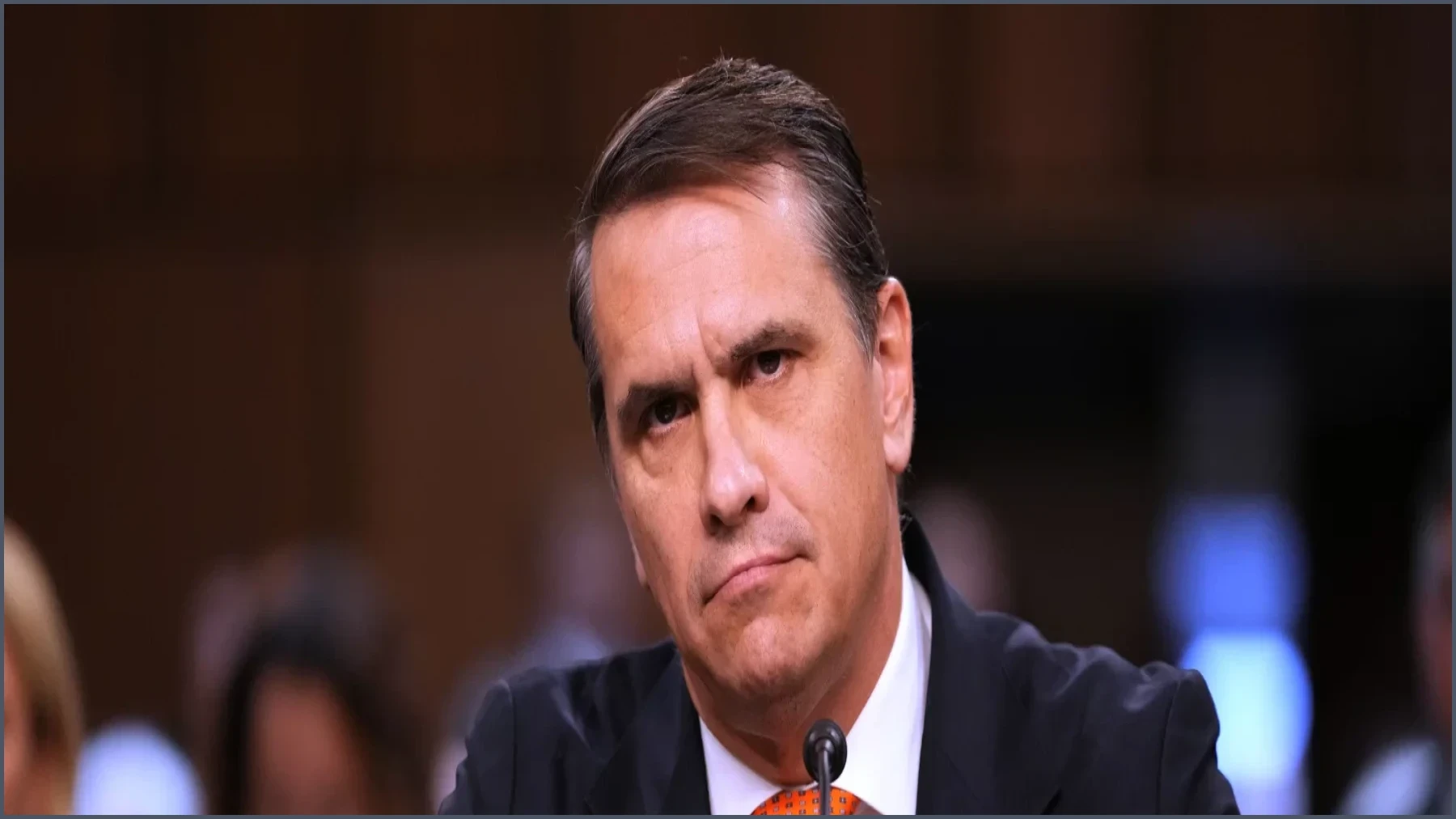
Since President Donald Trump took office last year, the Justice Department has charged more than three dozen individuals under this specific statute. Every single one of these recent cases involves people protesting federal immigration enforcement. This represents a stark departure from the period before 2025, when the majority of cases brought under the Civil War-era law were tied to the January 6, 2021, insurrection at the U.S. Capitol. The shift comes as Blanche, the Acting Attorney General, recently appeared before the Senate Judiciary Committee on Capitol Hill on July 15, 2026.
In a separate legal development involving the Trump administration's business ties, Capital One has submitted a new court filing detailing its decision to sever relations with the Trump Organization. The bank formally disclosed that its mid-2021 closure of approximately 385 bank accounts connected to the Trump Organization and its affiliates was the direct result of an internal anti-money-laundering review. Trump-affiliated businesses have maintained an ongoing lawsuit against the financial institution, alleging that the account closures were a form of political retaliation following the January 6 Capitol riot. Capital One has asked a federal judge to dismiss the lawsuit entirely.
Meanwhile, cultural shifts are also being documented in the American South. Photographer Laila Annmarie Stevens has captured her family's "reverse migration" from Queens, New York, to Clayton, North Carolina, in a series titled "The Clayton Sisterhood Project." The intimate portraits document a growing trend of Black families returning to the Southern states in search of community, affordability, and a better quality of life. Stevens, a Black queer photographer, views this movement as a direct reversal of the Great Migration of the early 20th century, during which thousands of Black families fled the South for northern cities to escape racial injustice and seek better opportunities. Among those featured in the project's circle is Ibtisam Tasnim Zaman, a Black lesbian American conceptual, multidisciplinary, and intersectional feminist artist and close friend of Stevens, pictured at home with her mother, Mari-Eva Mendes.
Mark Ragsdale refills a stock tank, July 17, 2026 in Redvale, Colo. Brittany Peterson/AP hide caption
A SpaceX Falcon 9 rocket lifts off from pad 39A with a payload of a pair of lunar landers at the Kennedy Space Center in Cape Canaveral, Fla., Wednesday, Jan. 15, 2025. John Raoux/AP hide caption