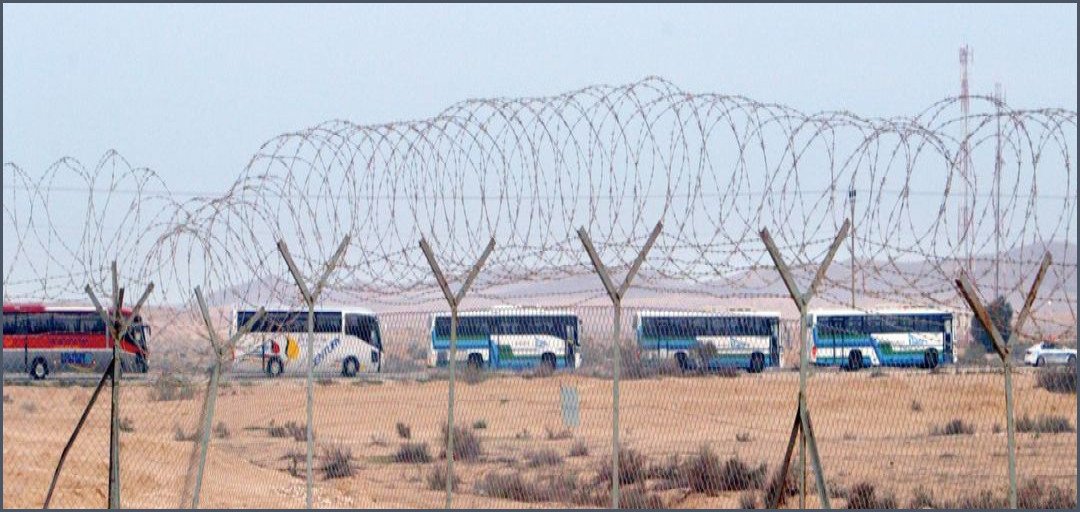
The Jerusalem District Court has issued a temporary injunction halting a controversial proposal by Israeli National Security Minister Itamar Ben-Gvir to place crocodiles around the Ketziot Prison in the Negev desert. The facility currently houses Palestinian detainees from the Gaza Strip who were arrested following the events of October 7, 2023. The court's decision, delivered on Sunday evening, follows an administrative petition filed by the animal rights organization Let the Animals Live, which challenged the project backed by the National Security Ministry and the Israel Prison Service.
Judge Avraham Rubin barred authorities from proceeding with any actions tied to a July 15 decision by Environmental Protection Minister Idit Silman. That decision had reclassified crocodiles as “tended wild animals,” a legal change intended to facilitate their transfer and housing at the prison as a security deterrent. The court order will remain in effect until the government submits an official response, which is expected by mid-August.
According to reports, the Israel Prison Service had already commenced infrastructure work, including the excavation of a canal around the prison site. The National Security Ministry had reportedly allocated approximately $6.9 million for the pilot project. In their legal challenge, Let the Animals Live, supported by the Environmental Justice and Animal Rights Clinic at Tel Aviv University, argued that the government lacked sufficient legal authority for the move. They contended that the plan ignored professional warnings regarding risks to the public, the environment, and the welfare of the animals themselves, while also removing necessary licensing and control mechanisms for protected species.
Since assuming office in late 2022, Minister Ben-Gvir has implemented stricter detention protocols for Palestinian inmates. These policies have drawn significant criticism from human rights organizations, which report that current conditions include starvation, medical neglect, torture, and solitary confinement. Currently, approximately 9,500 Palestinian prisoners, including women and children, are held in Israeli facilities. Rights groups have documented dozens of deaths among the prisoner population, attributing these fatalities to the harsh conditions imposed under these new policies.