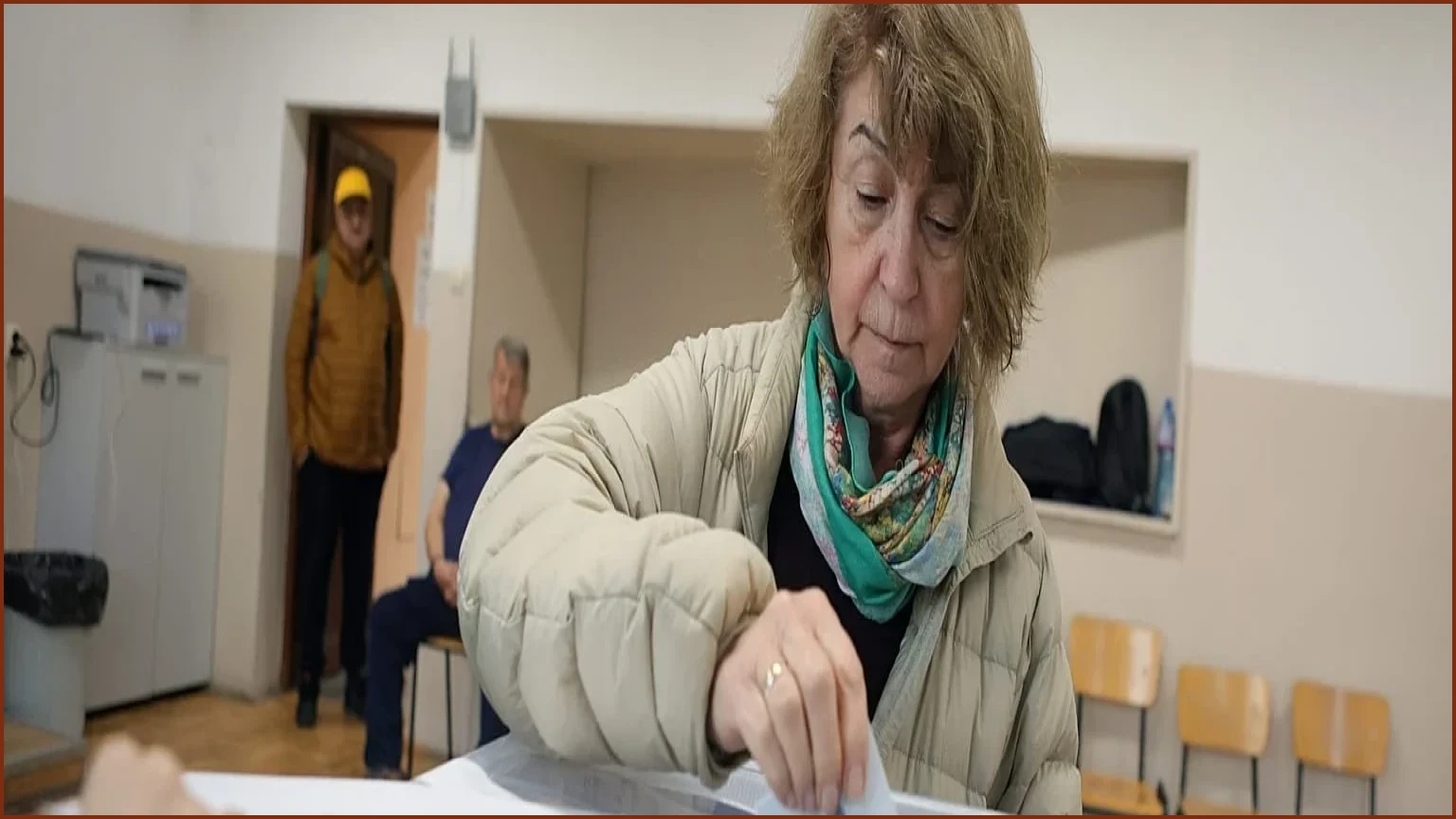
Voters across Bulgaria cast their ballots on Sunday in the country's presidential election, marking the first major political test for Prime Minister Rumen Radev's Progressive Bulgaria party since its parliamentary victory last April. The election campaign has been overshadowed by escalating security fears linked to the war in Ukraine, particularly recent drone strikes targeting commercial ships in the Black Sea off Bulgaria's coast, alongside persistent domestic anxieties over high inflation and surging energy prices that have left many rural families struggling.
Although a record 27 candidates entered the contest, opinion polls indicate the race will ultimately be decided in a second-round runoff between incumbent President Iliana Yotova and former caretaker Prime Minister Andrey Gyurov. Yotova, who leads the field with projected support between 41% and 47%, is backed by Radev's ruling party. She advocates for diplomatic dialogue with Moscow and opposes sending military aid to Ukraine. Gyurov, a pro-Western economist supported by reformist opposition parties, is polling in second place at 28% to 31%. Kostadin Kostadinov, leader of the far-right pro-Russian Vazrazhdane party, trails in third position with 10% to 13% of the vote.
The security situation in the Black Sea has driven much of the debate in the NATO and European Union member state. Recent drone attacks on maritime vessels near the Bulgarian coastline raised concerns over potential conflict escalation, prompting the Bulgarian government to request assistance from international partners to bolster its naval security. At the same time, candidates have sought to address voter concerns regarding living costs, with rising power bills and general inflation hitting household budgets hard across the country.
Yotova assumed the presidency earlier this year after Radev stepped down from the role to head his party's parliamentary campaign before becoming prime minister. A former journalist and Member of the European Parliament, Yotova was previously elected vice president alongside Radev in both 2016 and 2021. If she secures the presidency, she will become the first female elected head of state in Bulgarian history, providing a strategic boost to Radev and his push for renewed engagement with Moscow. Her main rival, Gyurov, served as caretaker prime minister during the opening months of 2026 and previously worked as deputy governor of the central bank. During his brief premiership, Gyurov established a strong pro-Kyiv stance and signed a bilateral security cooperation agreement with Ukraine.
Polling stations across Bulgaria are scheduled to close at 8 p.m. local time, with initial exit polling released immediately after and preliminary election results expected on Monday. To avoid a runoff, a candidate must secure an absolute majority in a vote where turnout exceeds 50%. With pre-election projections estimating voter turnout below 40%, election officials anticipate that voters will return to the polls for a decisive runoff scheduled for November 1.