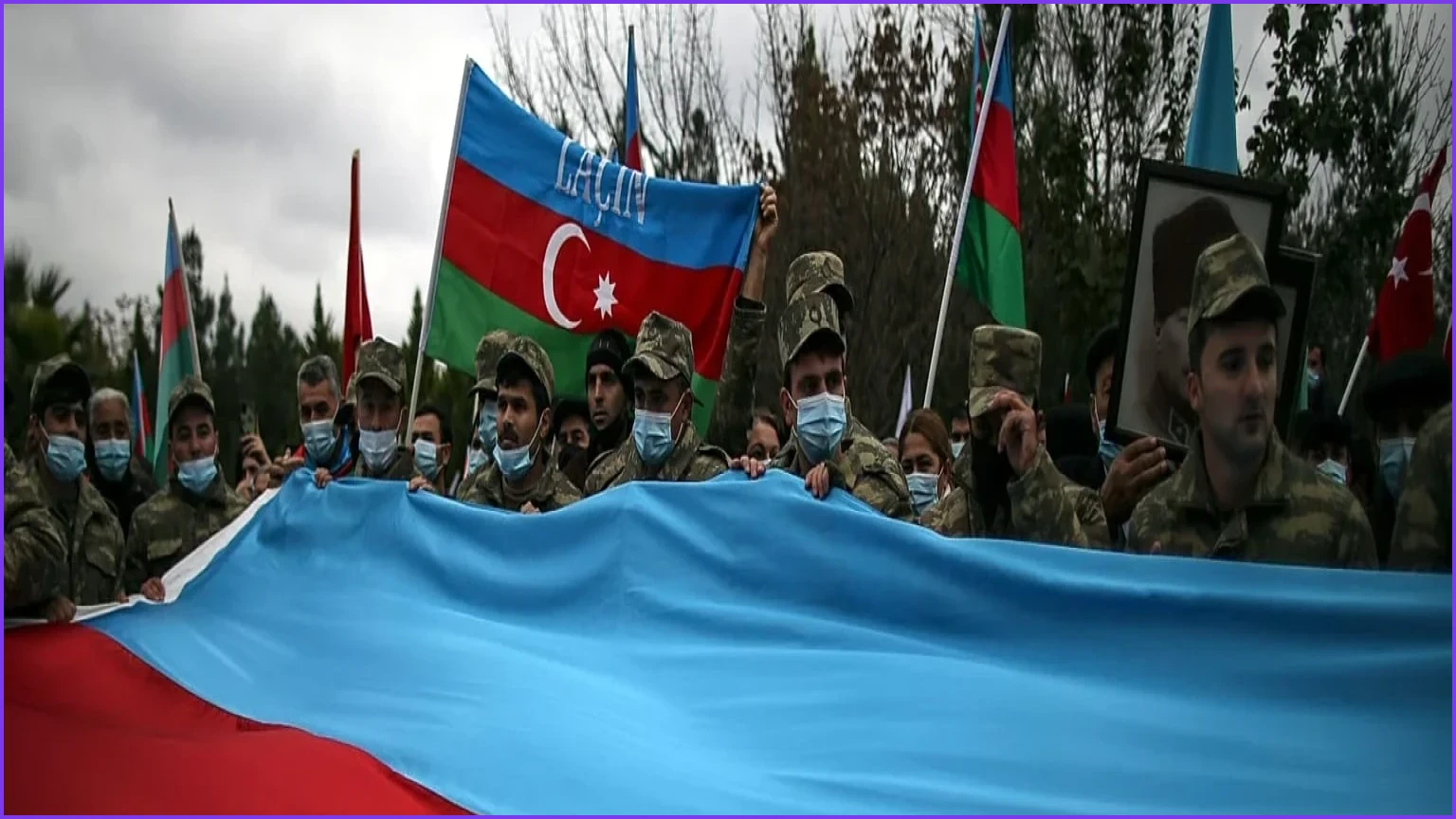
Azerbaijan has marked its annual Remembrance Day with nationwide tributes to the soldiers who lost their lives during the 44-day war in 2020. The commemoration occurs alongside a renewed sense of optimism for the South Caucasus, driven by historic strides toward peace and economic integration between Azerbaijan and Armenia after decades of bitter conflict. The events of autumn 2020 disrupted a 30-year status quo established after the dissolution of the Soviet Union, which had long subjected the region to stagnation and deep-rooted hostility.
The cessation of hostilities in November 2020 laid the groundwork for a new political and economic framework. Six years after the war's conclusion, the focus has shifted from post-war recovery to active regional integration. The dividends of this hard-won peace are now reshaping the economic landscape of the South Caucasus, moving beyond diplomatic negotiations into tangible trade and infrastructure developments on the ground.
A key indicator of this evolving relationship is the restoration of rail freight. Following Azerbaijan's decision to lift transit restrictions in late 2025, a steady flow of cargo has begun moving toward Armenia. Operated primarily by Azerbaijan Railways, shipments travel from the Bilajari station toward the Boyuk Kasik junction at the Georgian border before entering Armenia. This transport artery accommodates both direct bilateral trade and international transit, fostering a new economic dynamic.
According to official state customs data, direct exports from Azerbaijan to Armenia between January and August 2026 surpassed $17 million (over €15 million). Although this trade represents only 0.08% of Azerbaijan's total global exports, the physical volume of the shipments is substantial. Direct exports during this eight-month period included approximately 17,000 tonnes of diesel fuel and roughly 5,000 tonnes of AI-92 and AI-95 petrol. The period also saw a symbolic reciprocal exchange, with Azerbaijan recording $960 in imports from Armenia in March.
The rail corridor has also become a crucial route for third-country transit. Recent freight transported across Azerbaijani territory to Armenia includes nearly 60,000 tonnes of agricultural products, such as wheat, barley, and buckwheat. In addition, the route facilitated the transit of more than 9,000 tonnes of fertiliser, over 1,400 tonnes of propane gas, 1,114 tonnes of coal, 608 tonnes of timber, and 133 tonnes of aluminium.
In the digital sphere, bilateral cooperation has seen similar progress. National telecommunications operators AzerTelecom and Telecom Armenia have established a digital transit agreement, allowing a portion of Armenia's international internet traffic to be routed across Azerbaijan. Representatives from both companies stated that the agreement is designed to diversify regional connection routes and enhance the reliability of telecommunication networks. This initiative aligns with the broader goals of the Digital Silk Way project. In exchange, the arrangement enables Azerbaijan to transmit data traffic directly to its Nakhchivan exclave through the Armenian telecommunications network.
Both nations are currently preparing for further multi-directional transit. Although physical exports from Armenia across Azerbaijani territory have not yet commenced, official frameworks are being established. The Armenian government's state programme for 2026 to 2031 outlines plans to build comprehensive commercial ties with Azerbaijan and unblock regional transport links once a final peace treaty is signed. Simultaneously, regional transport infrastructure is being rapidly restored, with ongoing railway construction in the Ordubad direction. Once a final peace agreement is concluded, the full opening of these corridors is expected to grant Armenia access to Azerbaijan's transit network for international trade, establishing an interconnected economic corridor.
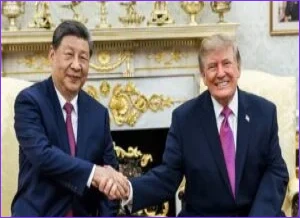
This economic integration is supported by significant diplomatic achievements. The strategic framework for the ongoing political process was formalized on August 8, 2025, during a historic trilateral summit in Washington. Hosted at the White House by US President Donald Trump, the meeting brought together Azerbaijan's President Ilham Aliyev and Armenian Prime Minister Nikol Pashinyan, who signed a joint declaration for a comprehensive peace agreement.
The normalization process is also occurring at the community level. In April 2026, the "Peace Bridge" format hosted its fourth round of dialogue between Azerbaijani and Armenian civil society representatives in the town of Gabala. Participants emphasized the necessity of cross-border engagement and continuous dialogue to prepare their societies for the eventual implementation of a final peace treaty. Furthermore, civic engagement is progressing alongside the joint development of the Trump Route for International Peace and Prosperity (TRIPP), a transit corridor through Armenia's Syunik region that connects Azerbaijan directly to Nakhchivan.
This diplomatic momentum was highlighted on September 18, 2026, when Armenian Prime Minister Nikol Pashinyan was awarded the Hessian Peace Prize at the Hesse State Parliament in Wiesbaden, Germany. The award, which recognizes efforts to establish peace in the South Caucasus, served as a platform for further reconciliation. During the ceremony, Pashinyan expressed gratitude for the peace process and stated that Azerbaijani President Ilham Aliyev was "equally deserving of this award" for his contribution to regional peace.