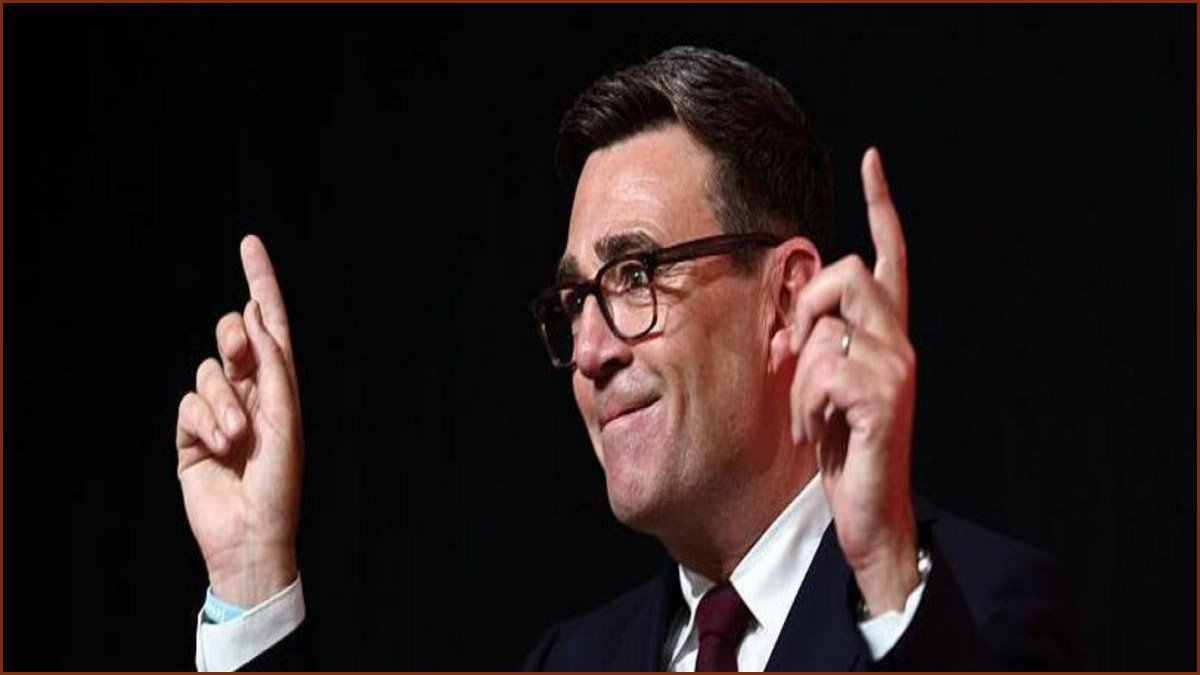
Andy Burnham has officially been confirmed as the new leader of the Labour Party, marking a moment he has anticipated for at least 16 years. Entering the hall for his announcement, Burnham expressed that he felt "good" and "ready" to take on the role. Over a whirlwind four-week period, every faction of the parliamentary Labour Party united to anoint him as the sole figure capable of reversing the party's current electoral struggles. However, while his supporters celebrate his rise, some remain uncertain about how prepared he is for the immense challenges ahead, questioning what exactly he is ready to deliver.
Burnham's ambitions, as outlined in his victory speech, extend far beyond conventional measures of political success like winning elections. Addressing a Labour Party audience, he declared his intention to fundamentally transform the party's internal culture. Most notably, he pledged to permanently eradicate factionalism. This is a highly ambitious goal that has left scars on many across various Labour factions who have previously tried and failed to achieve unity. Some internal critics even view the eradication of factions as undesirable, arguing that it risks creating a "unity over purpose" rather than a genuine "unity of purpose."
His bold vision is not limited to party management; it also extends directly to his aspirations for the prime ministership. Burnham argued that the United Kingdom took a damaging turn during the 1980s, initiating "four decades of neoliberalism" that harmed traditional working-class communities in cities, towns, coastal areas, and rural regions. Doing so, he said, would amount to no less than "the most significant change moment in our politics for 40 years."
This sweeping critique of the past 40 years is a direct challenge not only to Thatcherism but also to the New Labour governments in which Burnham himself served. By targeting this era, Burnham is implicitly criticizing the compromises made with Margaret Thatcher's agenda by previous Labour administrations. Setting a benchmark of delivering the largest political shift in four decades is an exceptionally high standard for any incoming prime minister, particularly with his premiership scheduled to begin just three days after his speech.
Questions persist regarding how Burnham plans to implement this radical economic transformation. During his sole major speech of the leadership campaign, he proposed a decentralization of power, which includes relocating a portion of 10 Downing Street to Manchester, creating a "No 10 North." The political world is now waiting to see how this northern headquarters will function in practice, particularly how it will coordinate its operations with the Treasury.
In a move that surprised many, Burnham used his speech to reveal that he has not yet finalized the appointments for the top roles in his shadow cabinet, including the position of chancellor. For some Labour MPs this will be a niggling sign of indecision. The two figures widely believed to be the leading contenders for the chancellor post are Ed Miliband and Shabana Mahmood. Because these two politicians represent significantly different economic paths for a Burnham-led government, the delay in choosing between them is highly consequential to both their supporters and detractors.
By keeping the chancellor position open, Burnham may be signaling his intention to direct economic policy directly from 10 Downing Street—whose letterbox famously bears the title "First Lord of the Treasury"—utilizing the new No 10 North office to maintain control. Burnham also made it clear that he views the weeks of media briefing and speculation surrounding the chancellor position as a prime example of the toxic political culture he is determined to dismantle.
Indeed, that was another lofty ambition: to build consensus across party lines and in the process detoxify Britain's political discourse. He suggested that achieving this could make the intense political turbulence of the past decade feel less inevitable. However, commentators note that previous prime ministers, including Rishi Sunak, Liz Truss, Boris Johnson, Theresa May, and Sir Keir Starmer, likely held similar hopes when they took office. Whether Burnham possesses a concrete plan to turn these grand ambitions into reality will become clearer when he delivers his first address outside 10 Downing Street on Monday.