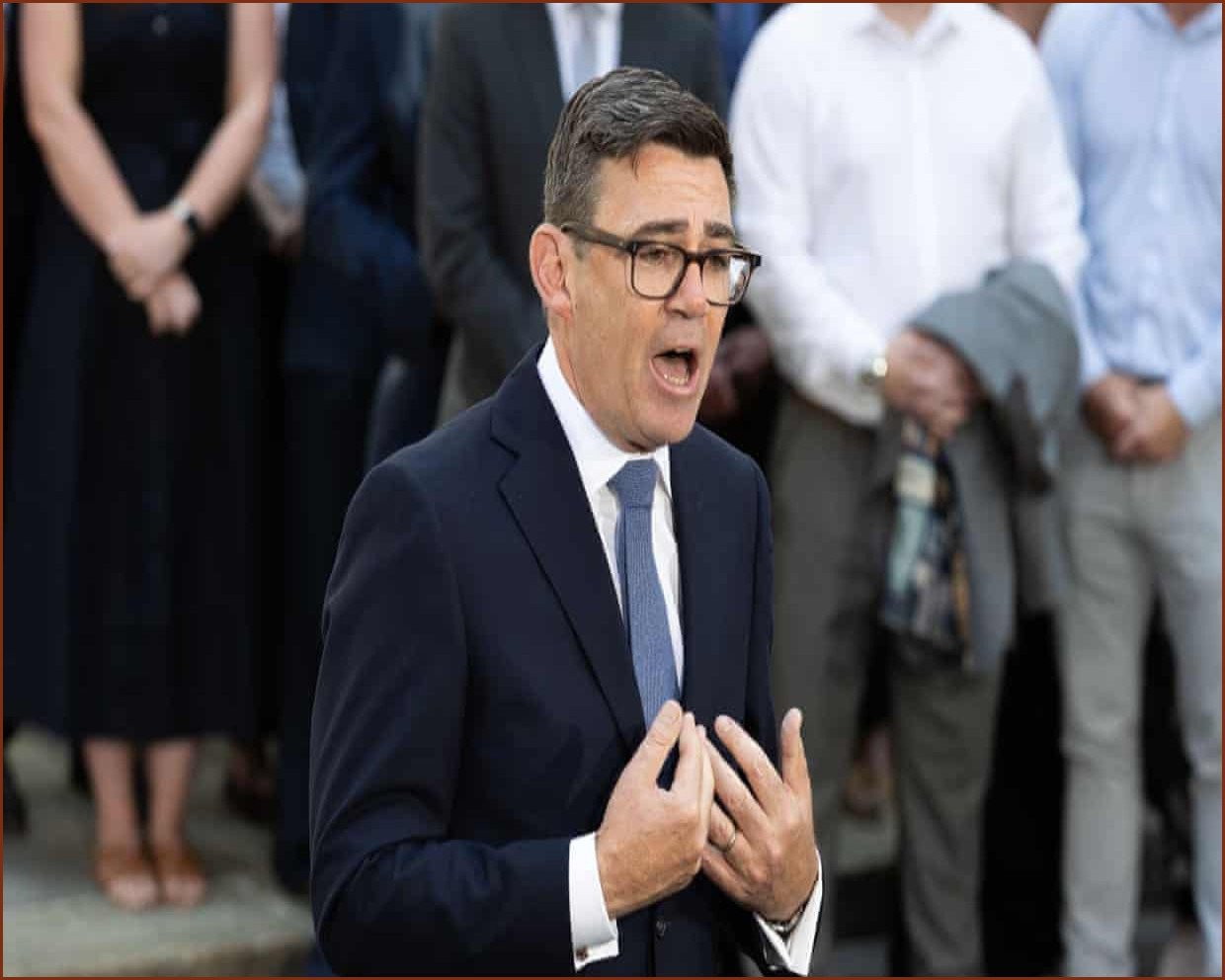
Prime Minister Andy Burnham has announced that the government will remove VAT from electricity bills, a primary policy intervention aimed at easing cost-of-living pressures for households across Britain. The tax cut, which is set to take effect from October, is expected to reduce annual price-capped electricity bills by an average of £45.
According to Downing Street, the initiative will cost £850m in the 2026-27 period and will be funded by the decision to scrap the government's digital ID scheme, a move projected to save £1.8bn over three years. Newly appointed chancellor John Healey said the move would be funded from cancelling the digital ID programme.
Speaking on his second day in office, the Prime Minister stated that the policy is intended to give people “breathing space” and “bring back hope.” Chancellor John Healey added that the energy tax cut is designed to provide families with reassurance throughout the winter months.
New business secretary Jonathan Reynolds, appearing on BBC Radio 4’s Today programme, defended the decision as a “straightforward switch spend” and a clear statement of the government's priorities.
Responding to claims that the cut remained unfunded, Reynolds said it was a legitimate decision to remove pressure and reallocate resources.
The announcement has faced immediate scrutiny regarding its financing. Darren Jones, who was sacked as chief secretary to the prime minister in Burnham’s reshuffle, questioned the funding model on X. He noted that while the VAT cut is good news for families, the digital ID project was unfunded, and he questioned how the government would pay for its new policies at the budget.
Jones stated, “But the DigitalID program was unfunded. The government will have to set out how it will pay for its new policies at the budget.”
Burnham became prime minister on Monday with a pledge to “bring back hope” to Westminster politics by easing the cost of living, de-privatising utilities and ending rough sleeping. He surprised many in Westminster with his choice of Healey as chancellor after intense lobbying from allies of Ed Miliband and Shabana Mahmood. While the policy applies to the UK, Northern Ireland remains an exception due to commitments to adhere to EU tax laws.
Consumers there will continue to pay VAT on electricity, though the government has pledged to provide the Northern Ireland executive with an equivalent amount of funding to support its own cost-of-living measures.
Beyond the immediate tax cut, the government noted that the policy will help narrow the price gap between gas and electricity, potentially encouraging consumers to transition from gas boilers to electric heat pumps. Chancellor Healey is expected to present further details on the plan and long-term strategies to lower living costs during the budget later this year.
This article includes content hosted on platform.x.com. We ask for your permission before anything is loaded, as the provider may be using cookies and other technologies. To view this content, click 'Allow and continue'.