On Sunday, September 6th, voters in Saxony-Anhalt will head to the polls in a high-stakes state election that could see the far-right Alternative for Germany (AfD) achieve a historic milestone. The party has maintained a commanding lead in opinion polls for months and, depending on the final distribution of votes, could potentially secure enough seats to form a government on its own.
Because Germany's federal system grants state governments significant authority over areas like policing and education, the outcome of this election is being monitored with intense scrutiny.
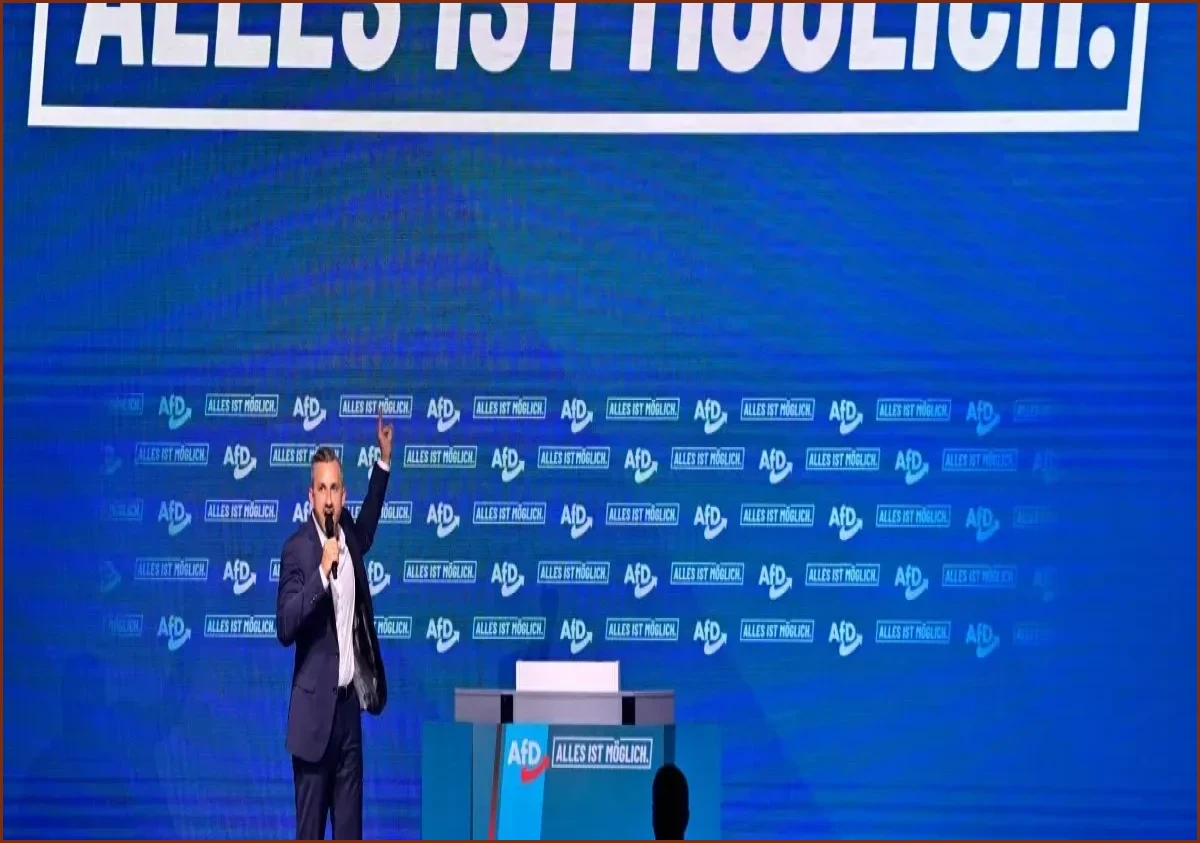
Ulrich Siegmund, the AfD’s top candidate in the state, has campaigned on a promise of a "deportation and remigration offensive." The party’s election manifesto explicitly calls for increasing the number of deportation facilities tenfold and proposes the creation of an "Asylum Search and Deportation Group," which the party describes as being similar to the U.S.
Immigration and Customs Enforcement (ICE). However, an analysis conducted by the Max Planck Institute for Social Anthropology indicates that 21 of the AfD's 56 planned migration measures could only be implemented at the national or European level, rather than by a state government.
Despite these jurisdictional hurdles, experts suggest that an AfD-led administration could still find ways to advance its anti-immigration agenda. Dr. Ned Richardson-Little, a research fellow at the Leibniz Centre for Contemporary History Potsdam, told The Local that there are numerous ways for the party to push its anti-constitutional policies on a gradual basis while remaining within the boundaries of the law.
He noted that Germany is already witnessing other parties pursue aggressive deportation programs that occasionally conflict with the courts. Furthermore, an AfD government could utilize existing legal frameworks to revoke the legal residency of individuals or even challenge their naturalization based on claims of fraud.
The party’s vision for education and public life is equally radical. In its manifesto, the AfD says it would lift the current ban on home schooling and abolish the obligation for parents to send their children to school. Implementing this would require a two-thirds majority in parliament, which the party is unlikely to achieve. The AfD has also pledged to ban the rainbow flag in schools, introduce the German flag, and mandate the singing of the national anthem.
Additionally, the party wants to expand the teaching of Russian and restart student exchanges with Russia, which have been suspended since 2022. Perhaps most controversially, the party proposes segregating schools by removing refugee children and teaching them separately.
While the explicit segregation of schools would likely be blocked by Articles 1 and 3 of Germany’s Basic Law—which protect human dignity and equal treatment—Richardson-Little suggests the AfD could test these limits. He noted that the party might attempt to justify segregating refugee children by framing it as a measure to provide additional language and cultural integration, then fighting the resulting legal challenges in court to determine if it represents a genuine public interest.
Similarly, the party’s proposal to offer "baby welcome money" to encourage birth rates among German citizens would face legal scrutiny, as experts argue that requiring at least one parent to hold German citizenship would be questionable under existing law.
The AfD’s radical vision also extends to media and public institutions. Siegmund has stated that one of his first acts upon taking office would be to cancel the contract governing the status of the region's public broadcaster. Media law experts, however, maintain that such plans would likely violate the constitution, which mandates a comprehensive public broadcasting service in all German states.
The Saxony-Anhalt branch of the AfD has been classified as a "right-wing extremist" organization by the BfV, Germany’s domestic intelligence agency.
A spokesperson for the BfV confirmed that the party is listed as a "suspected case" at the national level, meaning there are sufficiently weighty factual indications of anti-constitutional tendencies, though the agency declined further comment due to ongoing court proceedings.
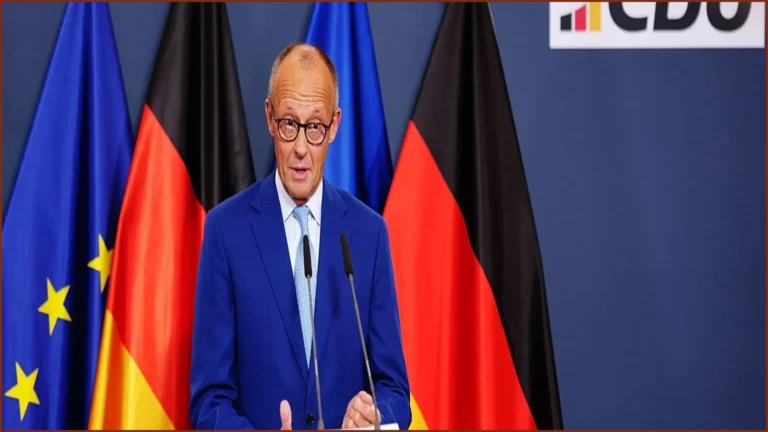
Despite the widespread view that many of the AfD’s proposals are opposed to German law and democracy, there is no automatic mechanism to trigger a party ban. The decision to pursue such a move is ultimately political, and the conservative Christian Union (CDU/CSU) parties, which lead the federal government coalition, have so far been unwilling to take that step.
As Richardson-Little explained, there is no automatic tripwire to guarantee that an anti-constitutional party will face consequences. He added that the post-war German political system is built on a culture of consensus and compromise, which makes the basic functions of the state vulnerable to a party that is actively aiming at sabotage.