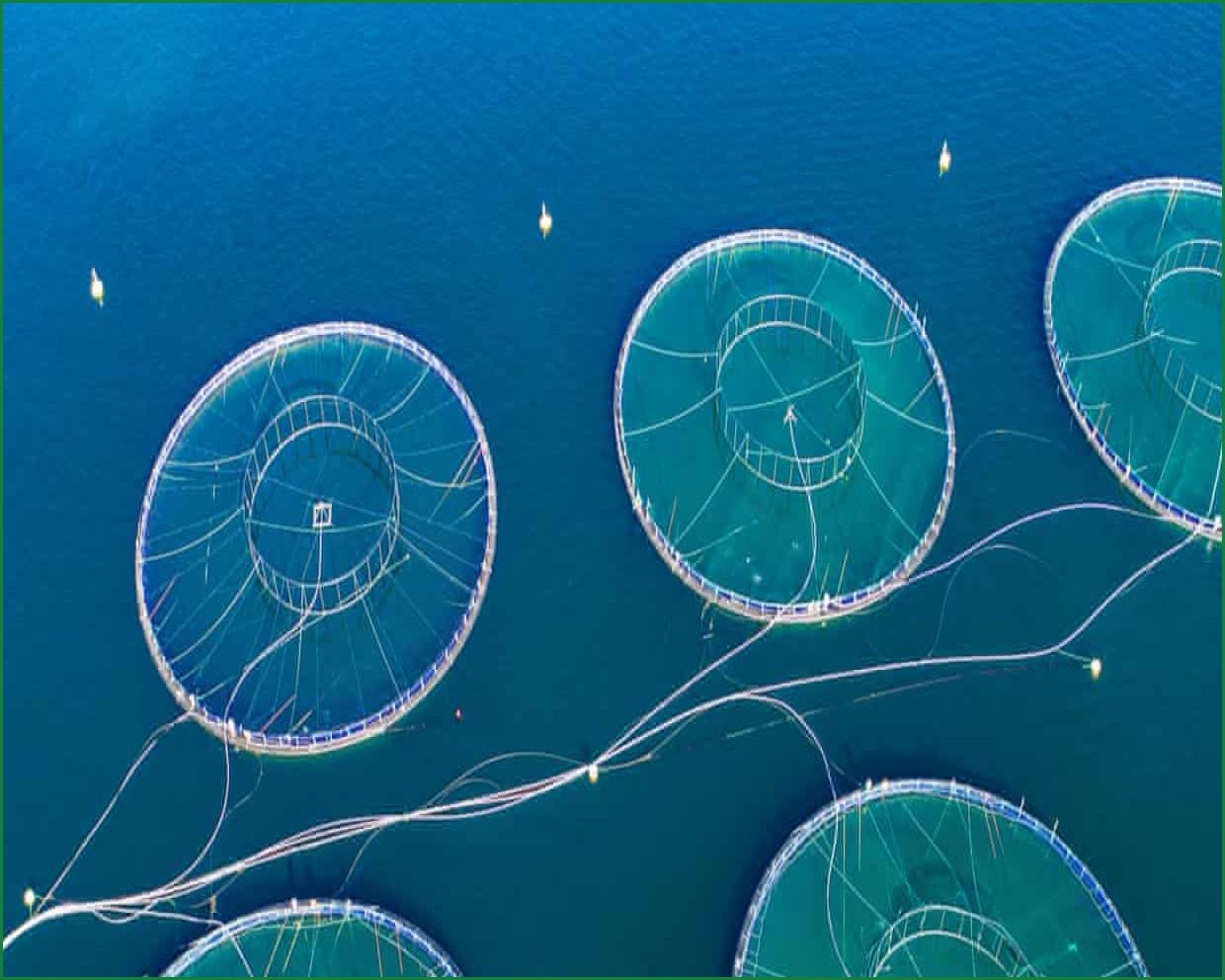
A growing movement of residents in the Falkland Islands is calling for a public referendum to settle the future of a proposed large-scale salmon farming development. The project, which has sparked significant division among the territory’s 3,500 residents, is being spearheaded by Unity Marine, a joint venture between local firm Fortuna and the Danish company F-land ApS. The developers intend to farm 50,000 tonnes of salmon annually across 16 locations, marking the largest industrial inshore development in the archipelago’s history.
Proponents of the industry point to potential economic benefits, with assessments commissioned by the Falkland Islands government suggesting that producing 30,000 tonnes of fish annually could contribute £35m to the economy—roughly 11% of GDP—and create 133 jobs. However, the group Salmon Free Falklands (SFF) argues that the environmental risks to the territory's pristine coastal waters, which support diverse wildlife including five penguin species, sea lions, whales, and dolphins, are too high.
Sally Poncet of SFF stated that a referendum would allow the public to make a definitive decision without the threat of further challenges. Poncet expressed a loss of confidence in the current government consultation process, which began on 7 August and is scheduled to run until 30 October. She claims that the reports provided by the government rely on unverifiable data from Unity Marine and lack sufficient information regarding the potential impact on kelp forests, which serve as vital spawning grounds for commercially important squid.
Expert criticism has also emerged regarding the quality of the data. Louise Cherry, a consultant and former member of the environmental protection authority in Tasmania, described the reports as "bordering on worthless," noting that the area's carrying capacity has not been determined through rigorous science. She further highlighted concerns regarding the lack of plans for managing mass fish mortalities, a common issue in the industry. Dr. Tom Appleby of the Blue Marine Foundation added that it is "extraordinary" that the government is utilizing reports that lack independently verified primary data.
The current consultation follows a 2022 decision where the government initially rejected the salmon farm. Unity Marine subsequently won a judicial review, leading to a consent order that quashed the original decision and mandated the current consultation process. James Wallace, managing director of Fortuna, stated that the company is participating in an investigative process to determine social, environmental, and economic impacts, emphasizing that a robust environmental impact assessment should be part of the eventual decision-making.
A spokesperson for the Falkland Islands government stated that it is neither advocating for nor opposing the venture. The government defended the reports as tools to inform public discussion rather than final project approvals, noting that it could not yet quantify regulatory costs or determine the specific carrying capacity for the farms at this stage.