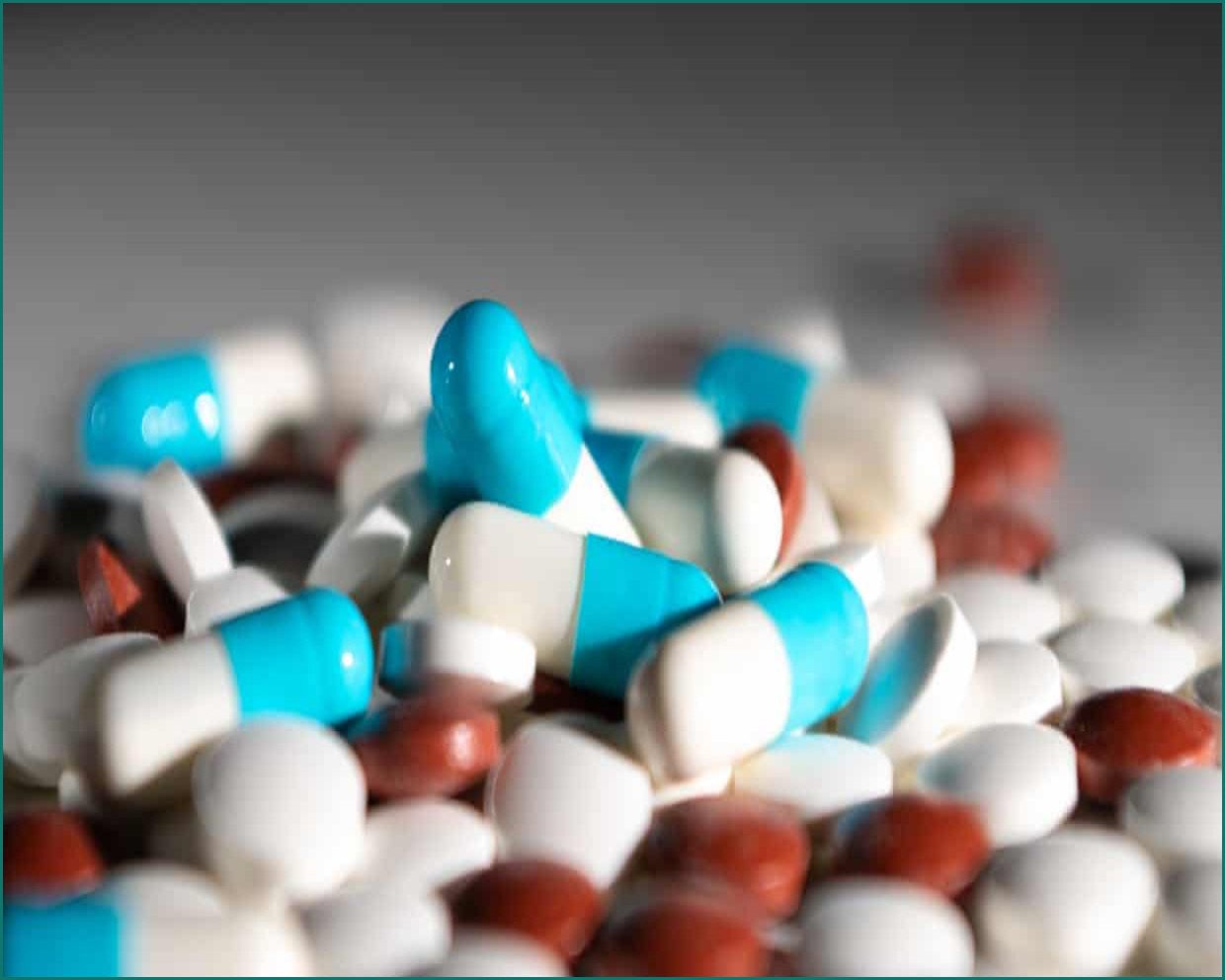
A new report from the National Pharmacy Association (NPA) has highlighted the scale of medicinal waste in England, estimating that the amount of partly used or unused drugs thrown away in 2024-25 would be enough to fill 75 swimming pools. The industry body, which represents 6,000 independent community pharmacies across the UK, calculated that approximately 3,400 tonnes of medicine are disposed of annually. This level of waste is estimated to cost the NHS at least £480m every year.
Olivier Picard, chair of the NPA, noted that these significant financial losses represent funds that could otherwise be invested in improving patient services. He emphasized that the issue extends beyond economics, carrying both environmental and health risks. Because regulations require any medicine that leaves a pharmacy to be disposed of—even if it remains unopened—Picard urged patients to order only what they are certain they will use and to avoid over-ordering.
To combat this growing problem, the NPA is advocating for more frequent medication reviews for patients on multiple repeat prescriptions. Such reviews could help identify and discontinue medications that are no longer necessary. Patients with concerns about their prescriptions are encouraged to consult their local pharmacist for guidance on how to manage their medication effectively.
The impact of leftover medication was further highlighted by Dr. Rasha Abdelsalam Elshenawy, a senior lecturer at the University of Hertfordshire. She warned that surplus drugs pose risks to patient safety and contribute to antimicrobial resistance. According to Dr. Elshenawy, patients often keep leftover antibiotics at home and consume them later without medical advice, which exacerbates one of the most significant threats to modern medicine.
In response to these concerns, an NHS England spokesperson stated that the organization is working to help patients better manage repeat prescriptions via the NHS app. Local services are also running campaigns to reduce wastage, contributing to a broader effort that has already seen a decline in the prescription of dependency-forming medications over the last decade. These developments arrive amid ongoing supply challenges reported in June, where health leaders noted severe shortages of various essential medicines, including common painkillers, epilepsy drugs, and hormone replacement therapy treatments like Estradot and Creon.