While domestic livestock have long been identified as major contributors to atmospheric methane, a new study reveals that wild animals also play a significant role in greenhouse gas emissions. Researchers at the Max Planck Institute in Jena, Germany, analyzed animal population data alongside estimates based on body weight and diet to determine the environmental impact of species such as deer, moose, and llamas.
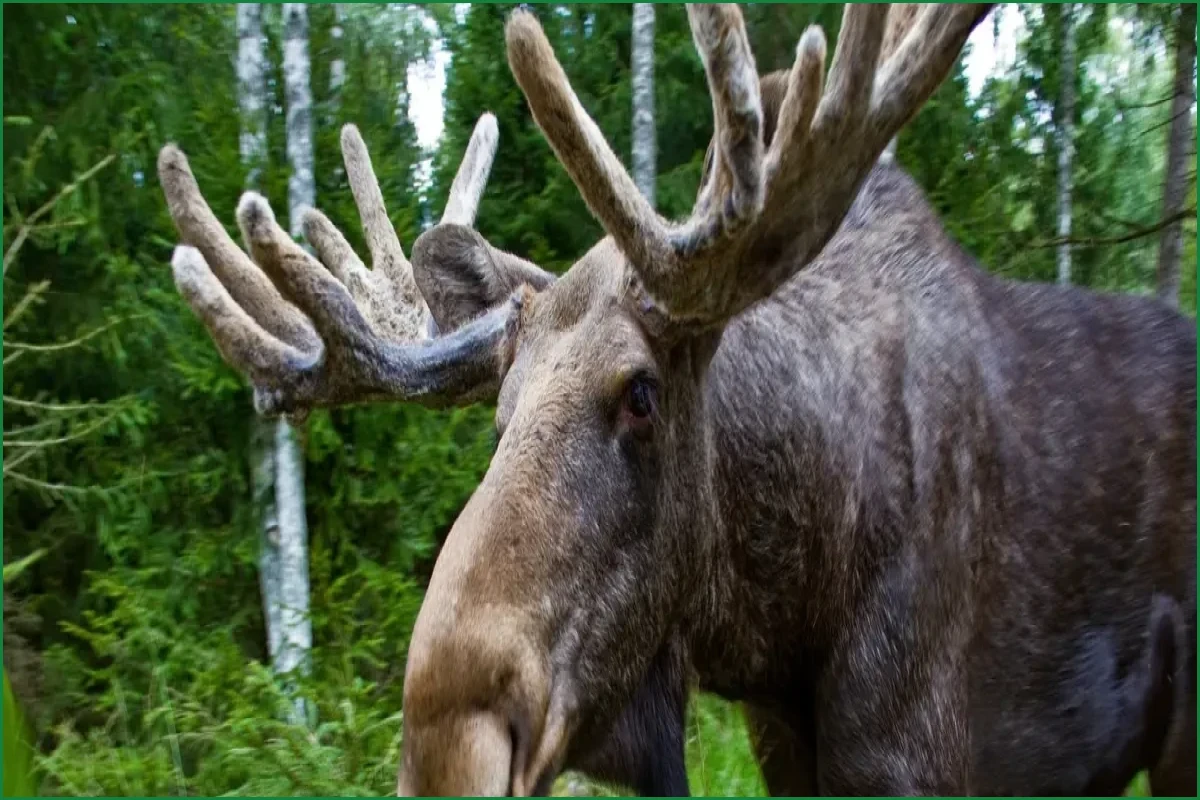
The study concludes that wild animals collectively emit three million tons of methane each year. Of this total, more than half is attributed to six specific deer species, with the white-tailed deer identified as the highest emitter. The common Swedish moose ranks second on the list of wild animal emissions, trailing behind the deer species.
These figures provide a new perspective when compared to domestic agricultural output. In 2024, the Swedish Environmental Protection Agency reported that methane emissions from animals within Swedish agriculture also totaled slightly over three million tons, which at the time represented approximately half of the emissions from the nation's entire agricultural sector.
Methane is a potent greenhouse gas that contributes significantly to global warming. However, it is often described as an emergency brake for climate change because it dissipates from the atmosphere much more rapidly than carbon dioxide. Although human-driven sources—such as leaks in fossil fuel infrastructure and waste landfills—remain the primary drivers of global methane levels, researchers are actively investigating ways to mitigate emissions from domestic cows, including dietary adjustments.