Farmers across Europe are warning of a significant slump in food production and subsequent price hikes as extreme heat, persistent drought, and widespread wildfires take a toll on harvests ranging from maize to salad greens. Olive groves have been particularly affected by the ongoing climate crisis, which is pushing temperatures to record highs across the continent and threatening to drive up the cost of olive oil, which is already at elevated levels. Cezar Gheorghe of grain market consultancy Agricolumn predicted the maize harvest would hit 8.2m tonnes this year, which compared with an official estimate of 7.75m for 2025, according to Reuters.
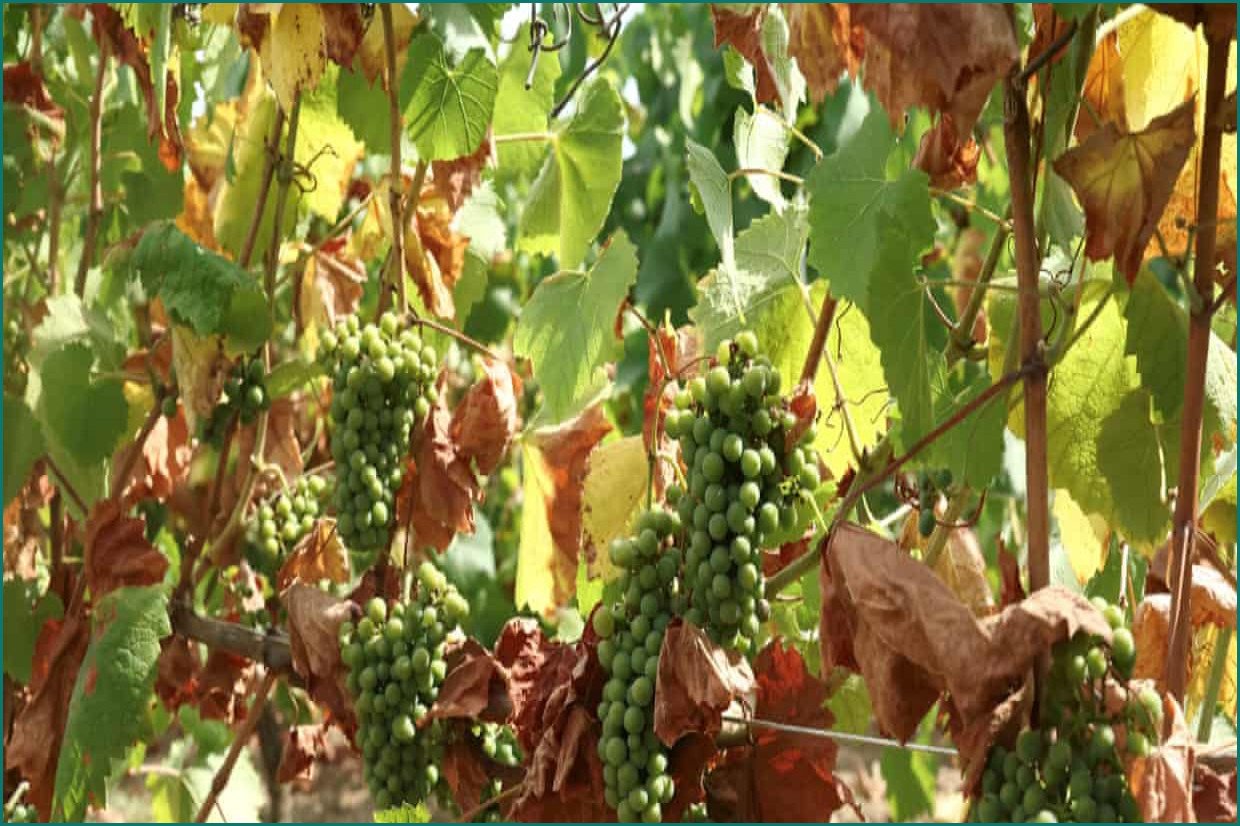
The French vegetable growers association, Légumes de France, reported that thousands of tonnes of produce, including onions, garlic, leeks, carrots, and salad leaves, have been lost. Production for some of these crops is expected to be halved due to the severe lack of rain. Meanwhile, in major wine regions such as Bordeaux, Burgundy, and Champagne, scorching weather has hindered grape growth. Producers in Champagne anticipate their earliest harvest on record, likely beginning around 15 August—a month earlier than historical norms—with yields projected to be approximately 10% lower than last year.
Spain, a critical producer, is also facing severe challenges. The ministry of agriculture predicts that the 2026-27 cereal crop will fall to roughly 18.5m tonnes, down from 24m tonnes last year, even though Spanish farmers have implemented heat-resistant varieties and expanded irrigation systems. Across the European Union, harvest forecasts have been trimmed for numerous crops; sunflowers are down 7%, grain maize is down 6%, and both soya beans and potatoes have seen a 3% reduction in expected yields.
The agricultural trade body ASAJA noted that direct fire damage has impacted vineyards, orchards, greenhouses, and agricultural land, destroying citrus fruits, almonds, avocados, and olives. While some regions, such as Romania and Italy, have shown resilience due to better rainfall or wheat performance, the broader concern remains rising production costs. A spokesperson for the trade body emphasized that these costs are a greater worry than international trade restrictions.
Olive oil prices are expected to surge again as growers struggle with the combination of extreme heat and fire. Groves have been destroyed in Greece, Portugal, and Italy, while surviving trees face poor air quality from ash. Sarah Vachon, founder of the Citizens of Soil group, warned that without a shift in weather conditions, prices will likely rise in the autumn due to a lack of edible fruit. Walter Zanre, head of Filippo Berio’s UK arm, noted that while Spanish temperatures were closer to normal, drought-induced fruit shedding remains a major concern for market volumes.
In the UK, importers like Eurostar Commodities are warning that repeated heatwaves have accelerated ripening, shortening the grain-filling period and potentially compromising quality. While Turkey has seen positive results with record-high winter crop yields, the broader European outlook remains precarious as summer crops face risks from depleted soil moisture and potential irrigation restrictions.
The UK harvest has also been hit by ongoing droughts with wholesalers saying they are having to turn to Spain and elsewhere for mainstay items such as iceberg lettuce and broccoli while British farmers have warned of shortages.
“Summer crops face a much more serious threat from drought, depleted soil moisture and heat during flowering. Irrigated crops are generally performing better than rain-fed crops, but rising water demand and possible irrigation restrictions create additional risk.”