England and Wales are currently grappling with an official drought, as July is set to become the driest month on record. This follows a summer defined by relentless heatwaves, with the Environment Agency and Natural Resources Wales confirming that this is the third such drought event within the last five years. The ongoing crisis, exacerbated by climate change, has left farmland, wildlife habitats, and public green spaces struggling under extreme conditions.
Rainfall levels have been exceptionally low, with England receiving just 7% of its long-term average for July, while southern England recorded a mere 1%. The impact is visible across the landscape, where once-green parks and fields have turned brown. Hydrological stress is also evident in waterways; the Thames at Reading has reached its lowest level ever recorded. Despite these conditions, water companies currently do not anticipate a threat to drinking water supplies, as reservoirs remain at expected levels due to significant rainfall during the previous winter. Nevertheless, approximately 23 million people across England and Wales are subject to hosepipe bans.
Dr. Chloe Brimicombe, a climate scientist at the University of Oxford, emphasized that the current situation is a result of compounding dry weather, high temperatures, and heatwaves. She noted that climate change is an immediate challenge rather than a future concern, urging for better long-term planning. The Met Office projects that by 2070, UK summers will be 1C to 6C hotter and up to 60% drier compared to 1990 levels.
The extreme weather has also created ideal conditions for wildfires. Firefighters across England and Wales responded to 393 wildfires in July, the busiest month on record. This has placed immense pressure on emergency services, with more people being evacuated this year compared to the approximately 50 evacuated in 2025. Significant fires have occurred in the Cairngorms national park and the Rhinogydd mountains in north Wales, where smoke was visible from space. In June alone, the North Wales Fire and Rescue Service recorded 48 fires, a 47% increase over the same period in 2025.
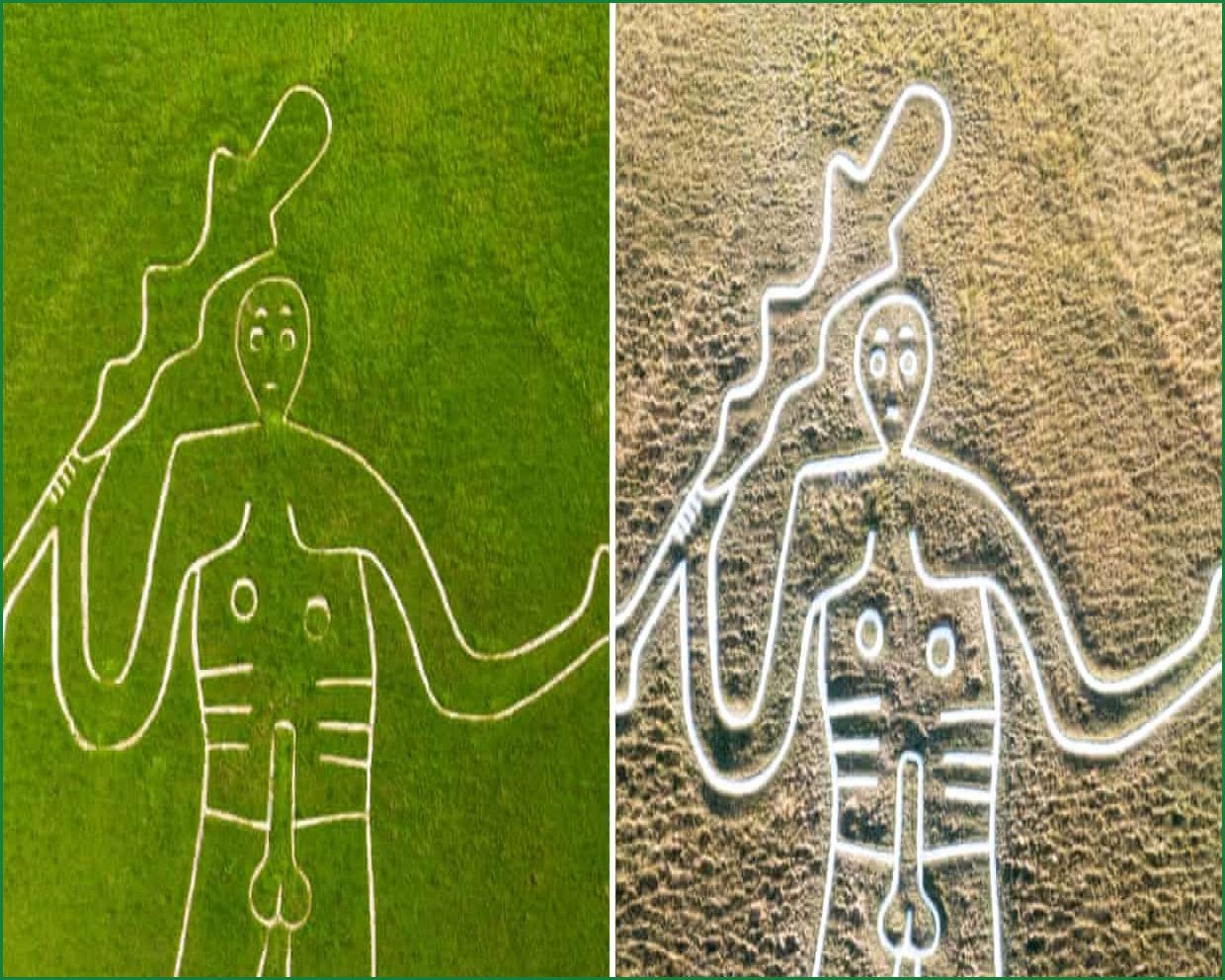
Agricultural sectors are also feeling the strain. Luke King, supply chain and technical director at Riverford Organic Farmers in Devon, described the season as one of the hottest and driest in 40 years. With nearly all of their reservoirs dry, the farm faces difficult decisions regarding crop prioritization and irrigation challenges due to rapid evaporation. Meanwhile, the dry conditions have revealed various lost archaeological sites, including Roman-era structures at Caerhun Roman fort and the outline of a 17th-century garden at Chatsworth House. Local authorities, such as the Royal Borough of Greenwich, are relying on community volunteers to help maintain trees and plants in public parks as they wait for rainfall to return.
As the climate crisis supercharges “whiplash” wet-then-dry weather, the UK and Europe are seeing back-to-back heatwaves that encourage vegetation to grow but then dry it out, producing ideal fuel for fires.
In London’s parks – crucial green spaces in a densely populated and emission-high city – people have still tried to enjoy the summer sunshine despite the parched conditions.