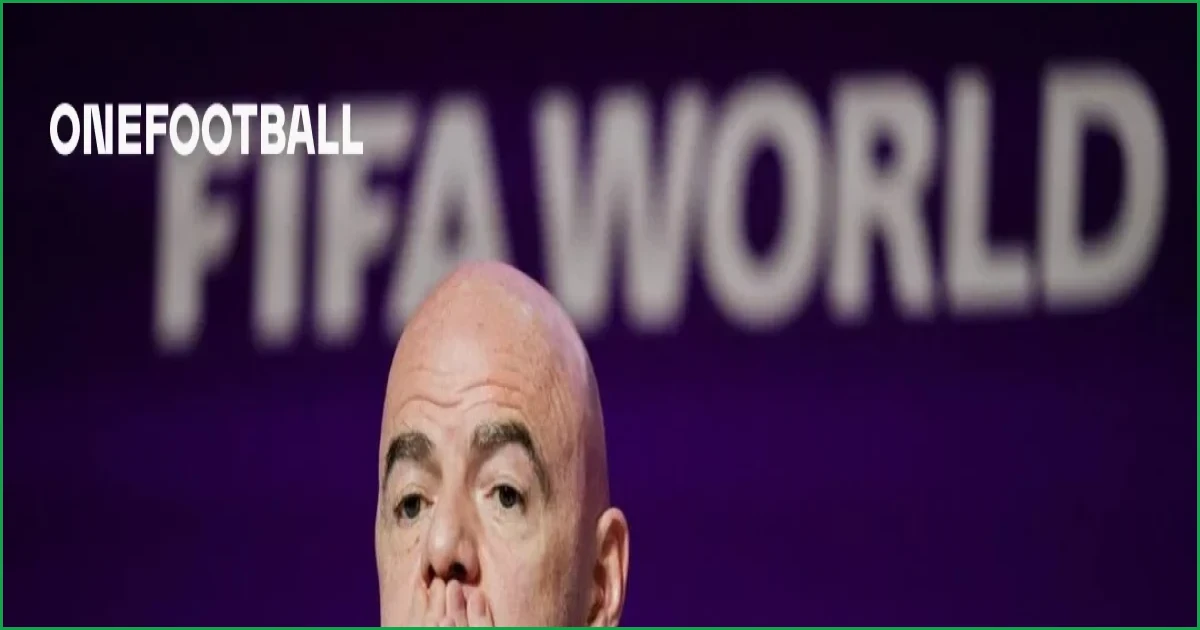
As football figures eagerly shared Gianni Infantino’s humiliating climbdown, many willingly staying up well into the early hours of Saturday, a resolve was only hardened. The sentiment was clear: while step one of removing the FIFA president might be achieved, the consensus is that “he’s still got to go.” Most of Infantino’s power base has evaporated, potentially even losing the patronage of Donald Trump. When the US president was asked on Friday if he had been consulted about the controversial World Cup sell-off plan, he dismissed the proposal—and by extension, a figure he had previously offered unusual praise—with a single word: “No.”
This public rejection may signal the end for Infantino, especially as UEFA has already declared it has “lost confidence” in his leadership. One leading figure remarked that his tenure has been “exposed as poor, his character questionable, his interests self-interested,” labeling him the wrong person to lead FIFA. The speed of his collapse has been dramatic; as recently as Monday, he appeared in an unassailable position, even berating the media for criticism, only to see his world collapse by Friday in a manner previously unseen in the organization.
Many observers argue that no other serious organization could endure such public humiliation and loss of credibility without immediate leadership changes and a thorough cultural inquest. FIFA executive Kevin Lamour, whose reputation was enhanced during this crisis, delivered what many considered the killer blow on Friday, stating, “Regarding this project and what comes next, everyone must take responsibility.” The situation has drawn comparisons to the political demise of Margaret Thatcher, where the fall, while potentially slow to start, happens quickly once it begins.
The crisis has also served as a moral victory, as the future of the World Cup was not decided at an invite-only billionaires’ retreat like the Allen & Co Conference, where the plan’s outline was originally conceived last year. The gall of those involved in attempting to use the “people’s game” for such purposes is considered astonishing. While UEFA president Aleksander Ceferin spoke stirringly in his rebuke of Infantino, critics note that he shares some of the same issues, and many of the problems that led to this crisis remain unresolved.
When one football figure attempted to list the issues Infantino is responsible for, they stopped and laughed, noting the list is “so long it’s ridiculous.” These grievances range from governance failures and the Qatar press conference to “governance by Instagram,” his attempt to force a handshake between Israel and Palestine delegates, and his advice for everyone to “chill.” Beyond these, there is justified criticism regarding his involvement in the Super League, private equity moves, a bizarre crypto fixation, the process behind the Club World Cup, and the undermining of sporting integrity—specifically regarding Inter Miami’s inclusion and the reduction of Cristiano Ronaldo’s World Cup suspension. Furthermore, the process leading to Saudi Arabia 2034 remains a major point of contention, as the football world will now have to navigate the same human rights and migrant labor debates that plagued the 2022 Qatar tournament.
Infantino was enabled by the same football politicians who are now condemning him. He felt emboldened to attack the media on Monday because he was unaccustomed to internal criticism. As one source noted, not enough national associations stood up to the “unacceptable” until it became unpalatable. The FIFA Council evidently failed to exercise oversight, keeping itself in the dark while Infantino acted unchecked. The structure of FIFA and UEFA affords the president undue power, often resulting in governance by fiat, where revenue redistribution acts as a vote-returning mechanism. Members feared that opposing the president would result in losing the right to host showpiece events, a system Lamour referenced as one of “contempt and intimidation.”
Reform is now the priority, specifically a proper separation of powers so the president is no longer as strong as they were when Infantino succeeded Sepp Blatter in 2016. There is a fear that the current situation will simply lead to business as usual, with new names filling an old system before the March election. As Norwegian FA president Lise Klaveness stated, “This cannot end as merely another power struggle conducted behind closed doors. All our efforts must be directed towards improving governance.” Some suggest that a Swiss association structure is no longer appropriate for a multibillion-dollar international business and that a transparent, limited company with a proper board is required. For now, executives are attempting to get member associations to withdraw their previous letters of endorsement, noting that Infantino has failed to foster a positive image of FIFA or maintain good relations between parties, as required by the organization's own statutes.