On July 27, the Trump administration submitted an emergency appeal to the Supreme Court, requesting authorization to tighten national regulations regarding mail-in ballots ahead of the upcoming midterm elections. This legal maneuver marks the latest effort by President Donald Trump to exert greater federal control over the administration of elections.
The appeal follows a series of setbacks in lower courts, which prevented the administration from establishing a federal list of eligible voters and restricting mail ballot delivery exclusively to those on that list across nearly half of the states. In June, a federal judge in Boston ruled that key components of an executive order signed by President Trump in March were unconstitutional, determining they could not be enforced this year in the 23 states currently challenging the policy. Following this, in July, the 1st U.S. Circuit Court of Appeals rejected the administration's argument that the states' lawsuit was premature, noting that the order has not been fully implemented. The appeals court stated that the changes already place a strain on state resources and would likely sow confusion and threaten the disenfranchisement of many eligible voters if permitted to take effect for the November elections.
In contrast, government lawyers told the Supreme Court that pausing the executive order is indefensible, arguing that the lower court preemptively decided that agency actions would necessarily be unlawful, even while those agencies are still deliberating on how to implement the order. The Supreme Court has directed the states challenging the mandate to submit their responses to the administration’s appeal by August 3.
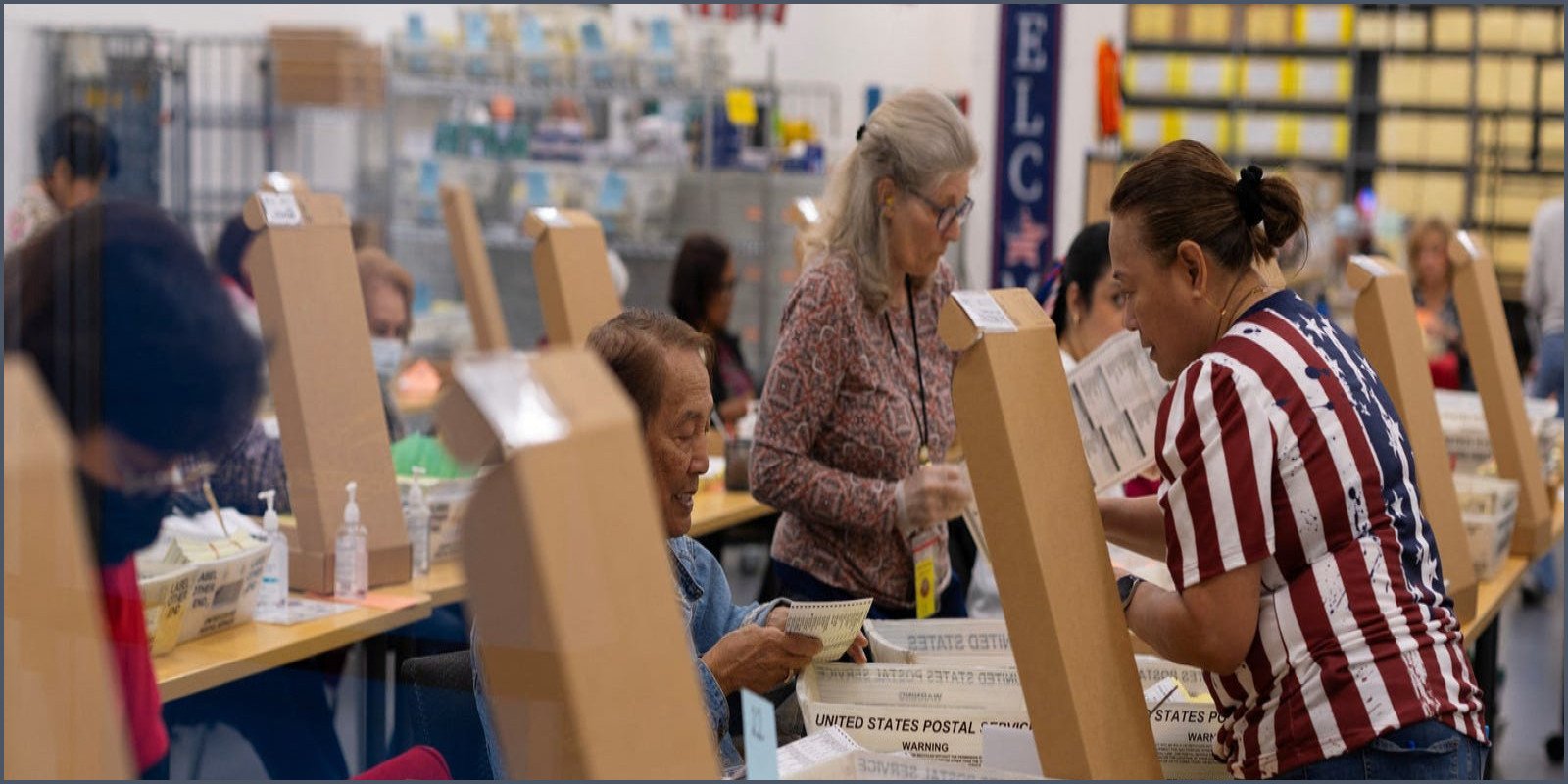
The dispute over absentee ballot rules serves as a major battleground for the 2026 midterms, which will determine the balance of power in Congress. While voting by mail has declined from its peak during the COVID-19 pandemic, nearly 30% of voters still utilized this method in the 2024 elections, with data showing that Democrats are more likely to vote by mail than Republicans. President Trump, who has utilized mail-in voting himself, maintains that absentee ballots are frequently fraudulent. His executive order directs the Department of Homeland Security to compile lists of confirmed U.S. citizens eligible to vote and instructs the U.S. Postal Service to deliver ballots only to voters appearing on those lists. Furthermore, the order mandates that the Justice Department prioritize the investigation and prosecution of election officials who provide federal ballots to individuals deemed ineligible.
The appeals court previously noted that the order would direct unprecedented levels of federal involvement in how states, which are constitutionally assigned the role of administering federal elections, conduct their duties. President Trump has consistently called for increased federal oversight since his 2020 re-election campaign, frequently promoting claims that his loss was the result of widespread fraud. While he has proposed legislation requiring voter identification and proof of citizenship, those efforts have stalled in Congress. Additionally, other courts have blocked separate executive orders requiring documentation of citizenship for voter registration, and in June, the Supreme Court rejected a Republican effort to stop states from counting ballots postmarked by Election Day but received afterward.