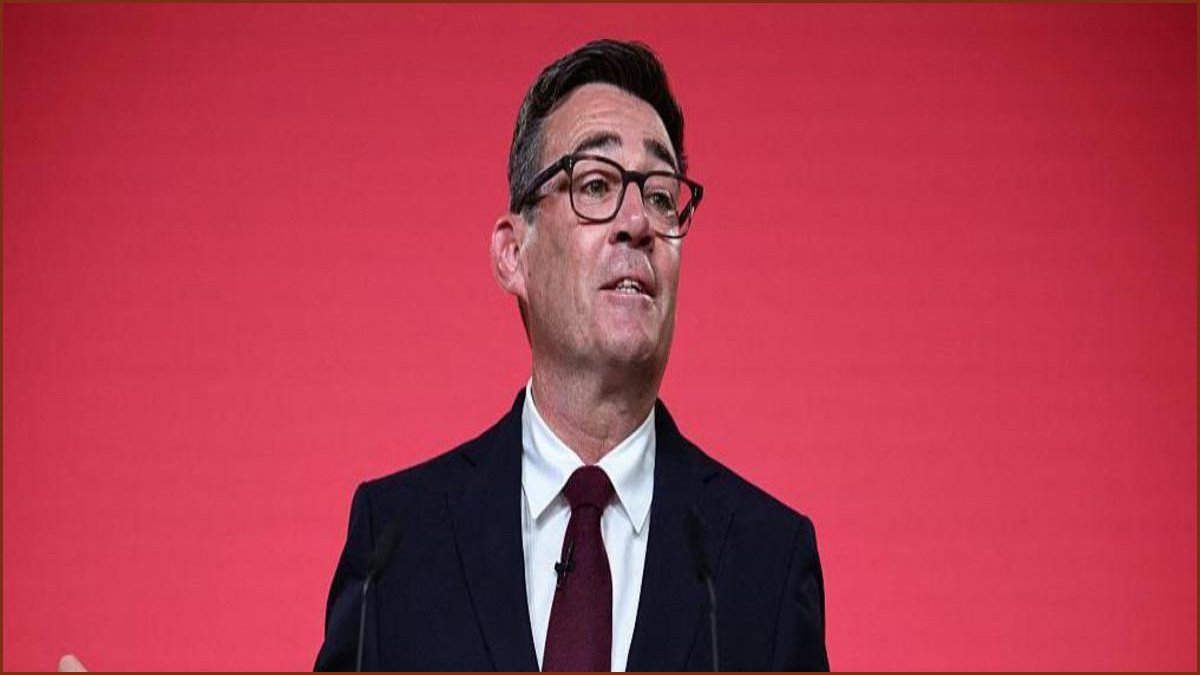
Andy Burnham has stated he is still finalising his cabinet line-up before officially succeeding Sir Keir Starmer as prime minister on Monday. When asked why he had not yet announced his top team, the new Labour leader explained: "It would be somewhat premature and would, I think, cause complete chaos if you start half a reshuffle before you're in the position."
Speculation has mounted over Burnham's potential cabinet appointments, with Ed Miliband and Shabana Mahmood widely rumored as contenders to replace Rachel Reeves as chancellor. Burnham has indicated that his final choices will be revealed on Monday, promising that his administration will represent "all parts of our party" and "all communities."
Burnham's transition to Downing Street follows a rapid political ascent. After returning to Parliament just a month ago through a by-election victory in Makerfield, he solidified his position as the sole leadership candidate, securing the endorsements of 379 Labour MPs and all 11 trade unions affiliated with the party earlier this week. On Monday, he will officially assume the role of prime minister following a reception with King Charles III.
Delivering his first speech as leader at the Trades Union Congress (TUC) headquarters in central London, Burnham outlined a governance vision focused on regional devolution and economic renewal. He pledged to restore "hope back" to working-class communities that he argued the political class had "turned its back on." Vowing to deliver the biggest change in decades, Burnham rejected the "neoliberal" policies of the past 40 years—including those implemented during his own previous time in government—and pledged to reindustrialise the country. Devolution has been a central message of his leadership bid, and he reiterated plans to shift power away from Westminster to the regions.
He also urged Labour MPs to build a culture of "one Labour team," warning, "We won't beat Britain's new right if we are consumed by infighting and pulling in different directions." He described his governing style as "problem-solving rather than point-scoring," telling his audience, "I have a plan."
Although his speech was light on specific policy details, which are expected to emerge as he moves into Downing Street next week, Burnham identified reforming the social care system as a top priority. He pledged to "expend quite a lot of political capital" on what he described as a long-neglected sector. Because social care is a devolved matter, any reforms he implements will only apply to England.
Successive governments and opposition parties have long tried to grapple with the issue of how social care should work and be funded. Unlike the NHS, social care is not free at the point of use, and high costs often force people to sell their homes to pay for care. In an earlier speech delivered after becoming party leader, the former mayor of Greater Manchester outlined his vision for government, which prominently featured reforms to the social care system.
Burnham has a long history of advocating for this issue. As health secretary under Gordon Brown, weeks before the 2010 general election, he published a white paper proposing a free National Care Service. Sharing a personal connection, Burnham said, "My dad has Alzheimer's, and you see what the staff have to put up with. It's not their fault. The system's broken." He criticised Westminster for flinching from big decisions over the years, adding, "You can't leave social care like this."
Political opponents have quickly responded to Burnham's upcoming premiership. Reform UK leader Nigel Farage argued that Burnham "comes in with absolutely no mandate of any kind at all" and demanded "an immediate general election so the country can decide the future." Conservative Party chairman Kevin Hollinrake called on Burnham to recall Parliament, which is currently in recess until September, to explain his plans on Monday. Hollinrake stated, "It's not too late for Andy Burnham to do the right thing, make a statement, and answer questions from members of Parliament on Monday about his 'plan'."
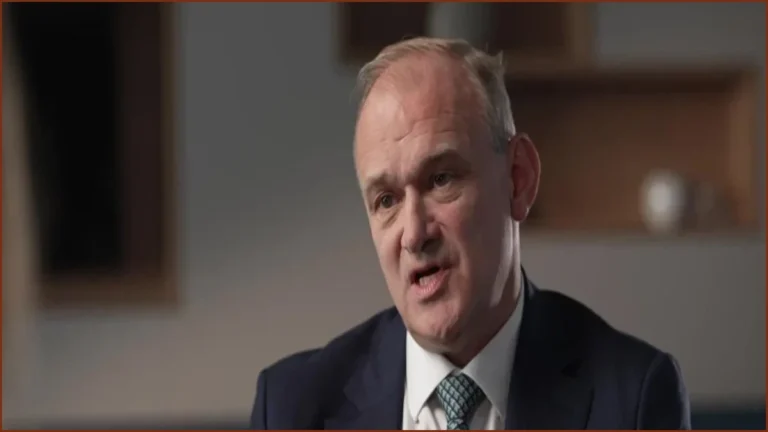
Meanwhile, Liberal Democrat leader Sir Ed Davey welcomed Burnham's call for collaborative politics, stating "my door is open." Sir Ed noted that the Lib Dems would particularly want to see changes to the water industry, support for the NHS, and changes to social care, including more help for family carers. From the trade union side, Linda Hobson of Unison urged Burnham to "get this right and bring back the hope he promises."
Burnham's arrival at Downing Street comes at a challenging time for the party, which has trailed Reform UK in national opinion polls for nearly 18 months. Having run twice before to become Labour leader, his successful bid this time round marks a rapid rise to power following his by-election win in Makerfield last month. Sir Keir Starmer resigned as leader last month, acknowledging he was not the best person to lead the party into the next general election. Starmer's decision followed heavy Labour losses in May's local elections and Burnham's subsequent victory in Makerfield, which prompted widespread calls from Labour MPs for a leadership change. On Friday, Burnham paid tribute to Sir Keir's achievements in government, including falling NHS waiting lists, improved rights for workers and renters, and bringing railways back under public control.