Sweden remains without a government more than five weeks after election night, following the recent rejection of Social Democrat leader Magdalena Andersson’s bid for prime minister. On October 15th, parliament voted down Andersson’s candidacy in the first decisive vote held in the chamber since the election.
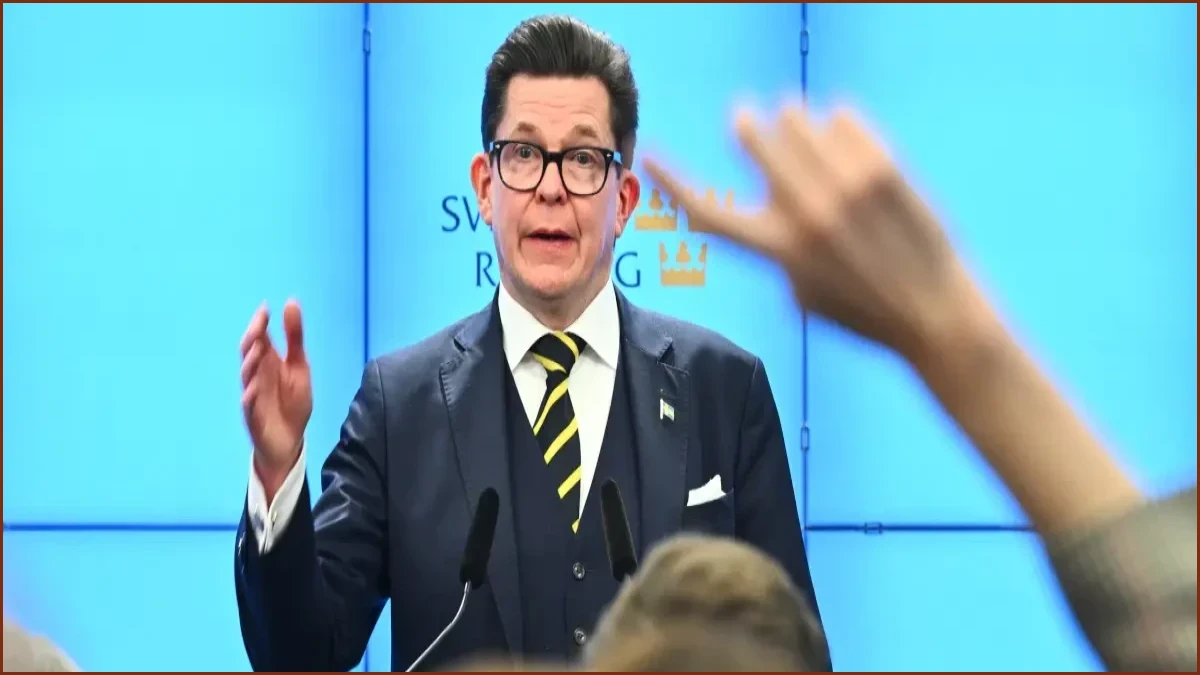
In response to the ongoing deadlock, parliamentary speaker Andreas Norlén announced on October 19th that he has tasked Centre Party leader Elisabeth Thand Ringqvist with leading a new round of negotiations. Norlén clarified that this mandate is specifically aimed at exploring the feasibility of a government formed in the middle, an alternative long advocated by the Centre Party.
"It is quite reasonable that she is now given the opportunity to get to the bottom of the so-called centrist option," Norlén stated during a press conference. He emphasized that he has not asked Thand Ringqvist to form a government, but rather to lead the necessary talks to determine if such a coalition is viable. While noting that Andersson remains the Centre Party's preferred prime ministerial candidate, the speaker stressed that all political options remain open. He added that Thand Ringqvist is perhaps not an obvious prime minister candidate herself.
Thand Ringqvist is expected to report her findings back to the speaker on October 26th. Addressing the appointment, the Centre Party leader noted that her primary ambition is to resolve the government impasse rather than to secure the role of prime minister for herself. In a statement to public broadcaster SVT, she expressed humility regarding the mandate and confirmed she would soon invite all party leaders to participate in discussions. She reiterated that her party seeks a government capable of creating jobs, reducing emissions, and strengthening welfare, noting that the Centre Party has previously proposed a coalition including the Social Democrats, Centre Party, Green Party, Christian Democrats, and Liberals.