Attorneys representing Representative Ilhan Omar have leveled serious accusations against the Justice Department, alleging that federal agents violated a magistrate judge's order during a recent search of the congresswoman's home in Washington, D.C. In an October 16 letter, lawyers Amy Jeffress and Joshua Matz requested the immediate return of the property seized and demanded that all audio and video recordings of the search be preserved.
The legal team characterized the criminal investigation into the congresswoman as "vindictive, retributive, and politically motivated," arguing that it threatens the separation of powers and violates Omar's constitutional rights as a member of Congress. A Justice Department spokesperson disputed the claims in the letter, saying it was "riddled with false allegations and inaccuracies." The spokesperson further stated that law enforcement partners had complied with all legal obligations and court orders, suggesting that leaking the letter to the media was a "publicity play" rather than a good-faith effort.
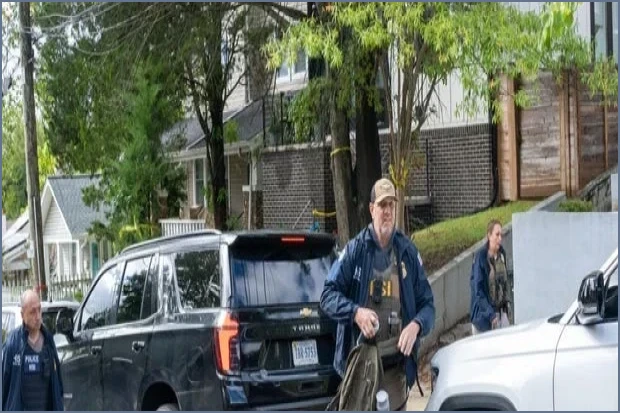
The search, executed by agents from Homeland Security Investigations on a Monday, is part of a sprawling criminal investigation into the history of Omar's family, specifically regarding potential fraud and false statements in their immigration paperwork. Reports indicate that the congresswoman's personal cellphone was among the materials seized in the search, and grand jury subpoenas were issued to several family members just days before the search occurred.
The search warrant was first presented to a magistrate judge in U.S. District Court about a week before it was executed. During that period, prosecutors and the judge engaged in a lengthy back-and-forth after the judge raised concerns that the search warrant failed to incorporate any protocols to protect Omar's legislative privileges under the Constitution's speech and debate clause. These protections stem from the 2007 United States v. Rayburn House Office Building D.C. Circuit Court case, which held that in a criminal investigation of a sitting member of Congress, the executive branch cannot review information seized in a search without allowing that member to first screen it for legislative privilege. Prosecutors had initially argued that the case should not apply because the search was being carried out at Omar's home rather than her congressional office.
In their letter to the Justice Department, Omar's lawyers alleged several key requirements imposed by the judge had been violated. For example, HSI agents were supposed to notify both Omar and the House of Representatives Office of General Counsel of the execution of the search warrant, a step Omar's lawyers say never took place. Agents also allegedly prevented her from contacting her attorney for more than an hour after the search started, even though she and her counsel were supposed to be presented with a copy of the search warrant at the outset.
The timing of the search warrant and the issuance of grand jury subpoenas have raised eyebrows among many veteran former prosecutors. Such overt investigative steps involving a sitting member of Congress so close to an election appear to run afoul of internal Justice Department guidelines, which state that prosecutors and agents should avoid taking overt investigative steps that could affect the outcome of an election or give one candidate an advantage or disadvantage. Omar's lawyers raised these same concerns in their letter, stating that historically, the department has refrained from this type of investigative activity so close to an election to avoid even the appearance of politically motivated law enforcement actions. They added that the political motivations behind this pre-election investigation and search are clear as day, and for the reasons given, the search was neither justified nor lawful.
Omar has long been a frequent political target of President Trump and his allies. Mr. Trump has made derogatory comments about her Somali heritage and her religion, and he has repeatedly accused her of immigration fraud. Her attorneys wrote in the letter to the DOJ that there is no legitimate basis for any suggestion that she has violated any law concerning her citizenship status, adding that the search of her home arose from a years-old, tired conspiracy theory concerning conduct stretching back decades.
Department of Homeland Security Secretary Markwayne Mullin made unusually public remarks about the nonpublic criminal investigation in a podcast on Friday, calling it a "strong case." In an interview with Andrew Kolvet, who hosts "The Charlie Kirk Show," Mullin volunteered that multiple warrants had been served on Monday, adding that a judge had authorized the enforcement action and investigators expected to present their case to a grand jury. It is unusual for federal officials to speak openly about ongoing criminal investigations beyond confirming a court-authorized search was conducted, in part due to due process protections and grand jury secrecy rules.