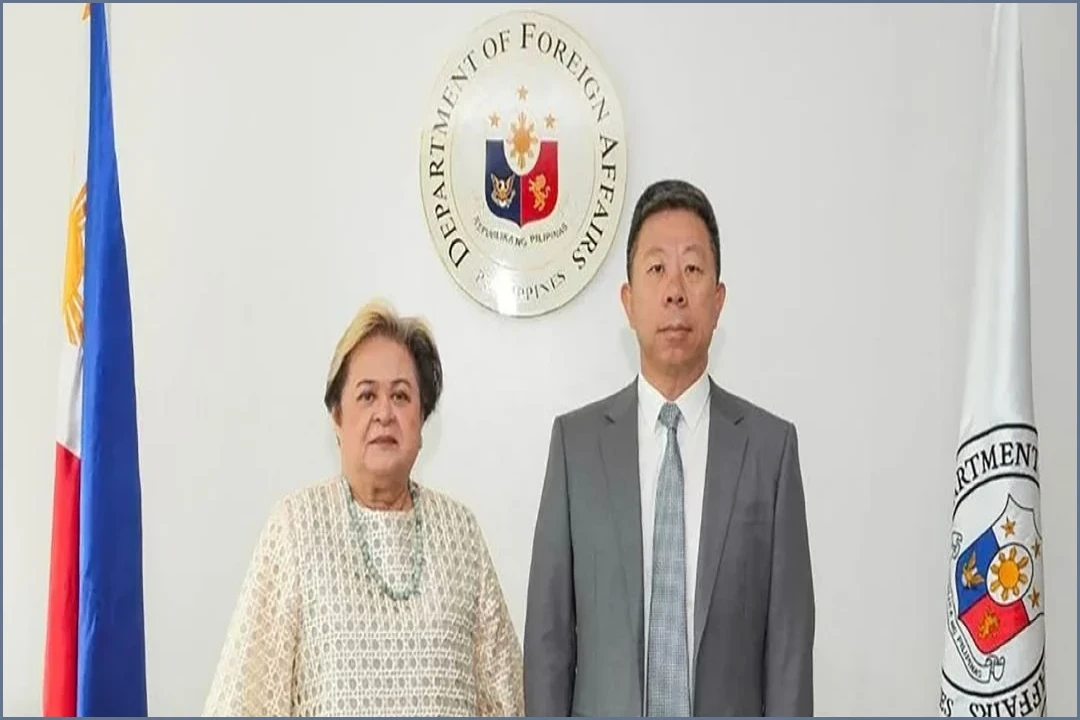
The Philippine government has officially summoned China’s ambassador to Manila, Jing Quan, to convey what officials described as “serious concern and strong objection” regarding his recent public statements. The summons, issued by Foreign Secretary Maria Theresa Lazaro, follows remarks made by the envoy on October 15 that the Philippine Department of Foreign Affairs characterized as a threat to use force.
The diplomatic friction stems from a broader context of recurring incidents involving the coast guards and militaries of both nations in contested areas of the South China Sea. While China maintains claims over the majority of the strategic waterway, these assertions have been challenged by an international ruling that found no legal basis for such expansive claims. The latest escalation occurred after Philippine Defence Secretary Gilberto Teodoro publicly referred to Beijing as a regional “troublemaker.”
In response to the defense secretary’s comments, Ambassador Jing spoke to reporters following a speech at a school in Manila. During the exchange, the envoy suggested that the Philippines should “feel fortunate” to have China as a neighbour. He further stated, “If we want to use force, we may easily win. But no, we will not choose force, and we love peace.” These remarks triggered immediate backlash from Philippine politicians, including at least two sitting senators who have publicly called for the ambassador’s expulsion from the country.
In a formal statement released on Monday, the Philippine foreign ministry condemned the envoy’s comments as “provocative and unacceptable,” adding that the department reserves the right to pursue further diplomatic actions as necessary. Prior to the summons, Ambassador Jing had participated in the Second Diliman Dialogue in Manila, where he advocated for a peaceful approach to maritime disputes. During that event, he urged both sides to maintain a safe distance, avoid deliberate provocations, and prevent the escalation of tensions. He argued that maritime disagreements should not define the entirety of bilateral relations, pointing to ongoing trade and people-to-people exchanges. He also warned against allowing a “small group of people, backed by forces from outside the region” to steer the bilateral relationship toward confrontation.