European governments are rolling out a wave of subsidies, tax cuts, and regulatory adjustments to protect households and businesses from record-high petrol and diesel prices. Driven by ongoing conflicts in Ukraine and the Middle East, these soaring energy costs have prompted widespread state interventions across the continent.
According to a report published on Wednesday by the Organisation for Economic Co-operation and Development (OECD), nations worldwide have stepped in to curb the economic fallout of reduced energy supplies and rising fuel costs since the start of the Iran war. Notably, seven of the ten countries implementing the most aggressive containment measures are members of the European Union.
Even before geopolitical tensions escalated into the Iran war, Russia's invasion of Ukraine had severely disrupted global energy markets and triggered economic instability across Europe. The EU remains highly dependent on external energy, importing nearly all of its oil and 85% of its natural gas. Overall, imports cover 57% of the bloc's energy requirements, with the remainder of its domestically produced energy coming primarily from nuclear and renewable sources, according to the EU's statistical office.
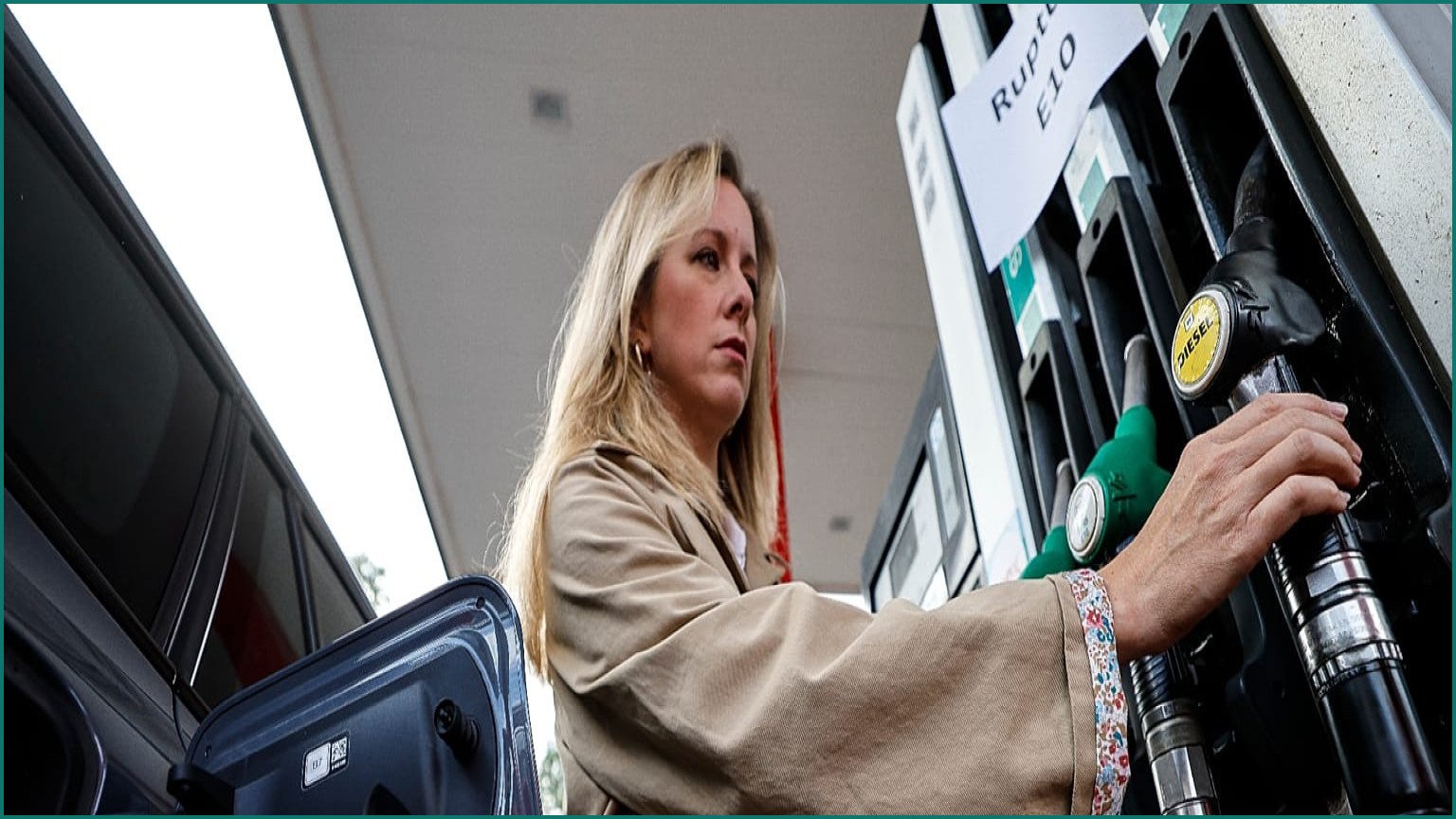
This heavy reliance has left European consumers highly vulnerable. As pump prices reach unprecedented highs in several countries, public frustration is mounting. The campaign group Transport & Environment estimates that drivers across the EU are spending an additional €203 million every day on diesel alone. Antony Froggatt, an analyst at the organization, criticized the geopolitical imbalance, stating, "It's a cruel irony that the US is the least vulnerable to a crisis of its own making, while Europe's economy again takes the hit."
To help weather the storm, some European governments are dedicating billions of euros to relief programs. Leaders in Brussels have granted member states temporary authority to distribute state aid to households and energy-intensive sectors, including transport, agriculture, and fishing. The EU has also offered limited flexibility under its spending rules for investments aimed at bolstering energy security and reducing long-term dependence on imported fossil fuels.
European Commission President Ursula von der Leyen highlighted these struggles during her annual State of the European Union address last week. "The pressures from higher energy prices and borrowing costs are biting for people and for businesses," she said, urging the bloc to "double down on our affordable, homegrown, clean energy, be it renewables and nuclear, or biomethane and others" to secure energy independence and lower costs.
Among individual nations, France has introduced a broad range of targeted measures. On Tuesday, the French government announced a €450 million relief expansion. This package broadens income-based aid for workers who commute more than 30 kilometers round-trip or drive over 8,000 kilometers annually for professional reasons, making 5.5 million people eligible for a €100 fuel payment through the end of the year. Additionally, France extended fuel subsidies for construction companies, farmers, and fishers until year-end, and will distribute energy vouchers worth between €48 and €277 to 5.8 million families three months ahead of schedule.
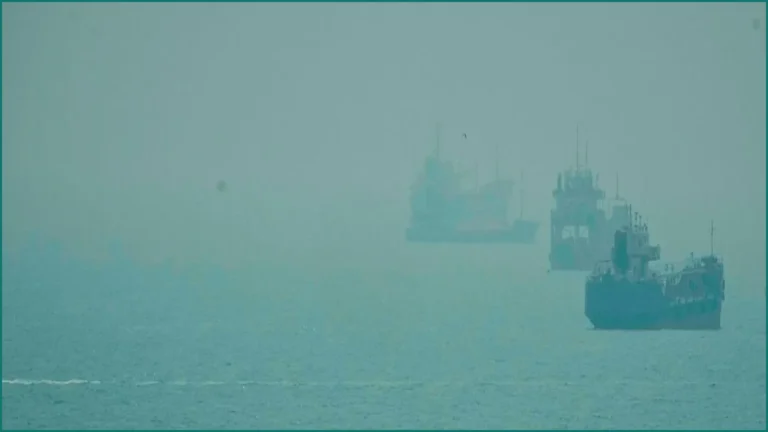
French President Emmanuel Macron has also urged the EU to temporarily ease fuel quality regulations regarding density and sulfur content to boost domestic diesel and kerosene production, mirroring steps taken during the COVID-19 pandemic. In a letter to the EU executive, Macron warned of impending "strong increases in prices" on the global oil market if the Strait of Hormuz remains closed to tanker traffic and Saudi Arabia's East-West pipeline to the Red Sea is not repaired. He also proposed raising the EU limit on conventional biodiesel in standard diesel from 7% to 10%.
Meanwhile, Germany has reversed course on its tax policy. After a two-month round of fuel tax cuts expired at the end of June, Berlin agreed last week to reinstate the reductions. From October 1 through the end of the year, petrol and diesel prices will drop by 17 cents per liter, a move the German government estimates will cost €2.5 billion. Germany also announced plans to negotiate with the oil industry to introduce a fuel price cap by January 1, following long-standing models in Belgium and Luxembourg.
Spain has similarly extended its own fuel tax relief, originally introduced in March as part of a €5 billion ($5.7 billion) package responding to the economic fallout of the Iran war. The tax break, which stood at 5 cents per liter this month, features an automatic mechanism that will boost the discount to 20 cents per liter if annual fuel price inflation surpasses 15%. Spain also prolonged fuel subsidies for transport operators, farmers, livestock producers, and fishers.
Beyond national initiatives, EU countries are drawing from strategic oil reserves. This is part of a coordinated action by the International Energy Agency's (IEA) 32 member states to release 400 million barrels of oil from emergency stockpiles. In the long term, the EU is aiming to cut ties with Russian energy by accelerating electrification and scaling up renewable energy. Von der Leyen noted that widespread electrification could slash the EU's annual bill for fossil fuel imports by €260 billion ($296.6 billion) by 2040.
However, the ongoing conflict has complicated the EU's relationship with the United States, which has become a primary supplier of diesel to Europe. Recent statements from Donald Trump supporting a potential ban on US diesel exports to protect domestic prices have sparked deep concern in Brussels. The EU is currently lobbying Washington to abandon the proposal. European Commission spokesperson Olof Gill stated on Thursday, "We believe this is a bad idea. EU-U.S. cooperation in the field of energy is strong, stable and mutually beneficial. Any disruption would risk negatively impacting both sides."