The US Federal Reserve has implemented its first interest rate increase since July 2023, with the central bank’s open market committee voting unanimously to lift its benchmark rate by a quarter-percentage point. The new target range is set between 3.75% and 4%, a move the committee described as necessary to support a return to its 2 percent inflation goal.
"Inflation remains elevated. Today’s policy action will support a timelier return to the Committee’s 2 percent goal," the committee stated. This decision follows a period of volatile economic data, including stubbornly high inflation in August and steady unemployment rates, which shifted the outlook from earlier expectations of rate cuts to the current tightening policy.
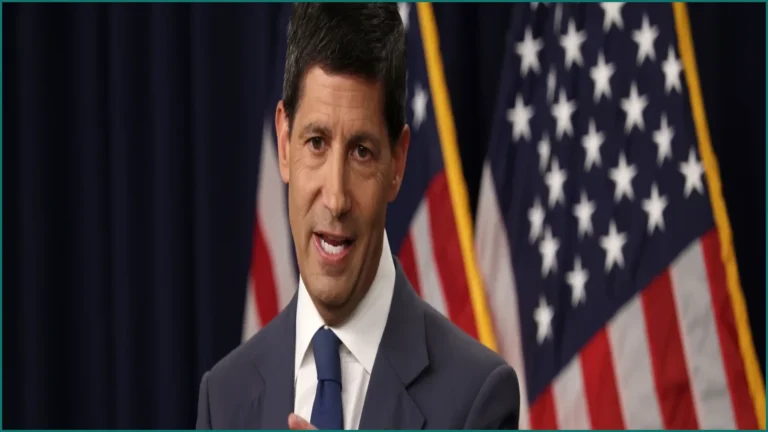
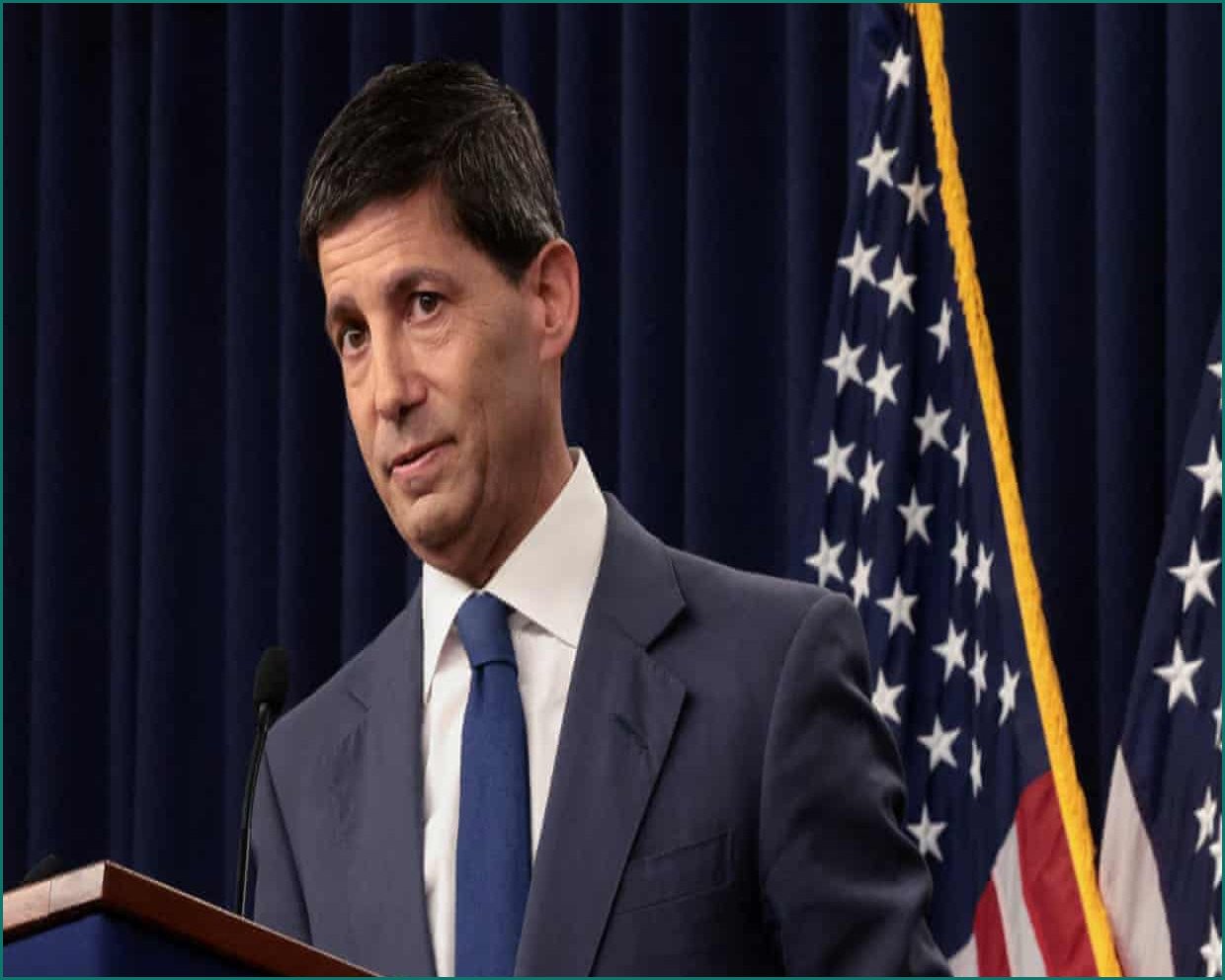
The hike places Fed chair Kevin Warsh in a potential conflict with Donald Trump, who has publicly demanded the "LOWEST RATE of any country in the World" and threatened to halt trade with nations running a deficit if the central bank failed to lower rates. Despite these pressures, Warsh has maintained the Fed's institutional independence.
New projections suggest this may not be the final increase for the year, as a majority of officials anticipate at least one more hike. Four officials have forecast the benchmark rate reaching a range of 4.25% to 4.5% before the end of 2026. Meanwhile, officials estimate it could take until 2029 for inflation to reach the 2% target.
Economic pressures are being compounded by the ongoing conflict between the US and Iran, which has driven up energy costs. Diesel fuel, vital for transport, recently hit a record high of $6.31, while gas prices remain $1 higher on average than they were a year ago. These inflationary pressures have impacted the US bond market, with the 10-year treasury note yield reaching a 19-year high.
For American consumers, the higher rates will likely increase costs for mortgages, car payments, and student loans. The economic outlook remains strained, as recent data shows that inflation has offset wage gains, with hourly earnings in August falling 0.1% year-over-year after accounting for inflation. Consumer sentiment has also seen a sharp decline, according to University of Michigan surveys.
Political candidates are increasingly focused on these cost-of-living issues ahead of the November elections. Amid these challenges, Trump has promised a $5000 "Trump dividend" to Americans if Republicans retain control of Congress, a proposal critics have compared to bribery, particularly given that US national debt hit a record $40 trillion last month.
Concerns about inflation have induced a sell-off in the US bond market, with the yield on the 10-year treasury note hitting a 19-year high earlier this week, despite efforts from the US treasury to calm the market. Typically seen as one of the safest investment vehicles, trouble in the US bond market can lead to higher interest rates for consumer and business loans.
Candidates on both sides of the political aisle have sought to make cost-of-living concerns and the economy a forefront of their campaigns, but voters are split on which party has the greatest advantage on this issue, according to recent Pew Research Center data.