Mailing a paper check has become one of the riskiest ways to handle your finances, according to consumer advocates who warn that the practice exposes bank accounts to severe security threats. Although the overall volume of checks in circulation has steadily declined, check fraud is experiencing a dramatic surge. Federal data from 2025 reveals a striking shift: Americans lost more money to check fraud that year than to scams involving debit cards or gift cards.
The underlying issue is that while consumers are writing fewer checks, the transactions they do write them for are significantly larger. "Criminals know that when they see a check in the mail, it’s less likely to be a $10 check and more likely to be a $10,000 check," explained Scott Anchin, the senior vice president of strategic initiatives and policy at the Independent Community Bankers of America. While paper checks were once a ubiquitous part of daily commerce, Federal Reserve data indicates they represented a mere 3% of all United States payments by 2024.
Historically, consumers relied on checks for routine expenses like groceries, utility bills, and gym memberships. Today, however, they are primarily reserved for major, one-time payments, such as compensating a home contractor or settling a tax bill. These larger amounts have raised the stakes for criminals, who are utilizing modern technology to exploit a payment method that has remained virtually unchanged for decades. Joe Bernardo, the head of fraud and claims at Wells Fargo, pointed out this vulnerability, stating, "The check is still fundamentally the same. And fraudsters are always looking for weak points in the process to exploit."
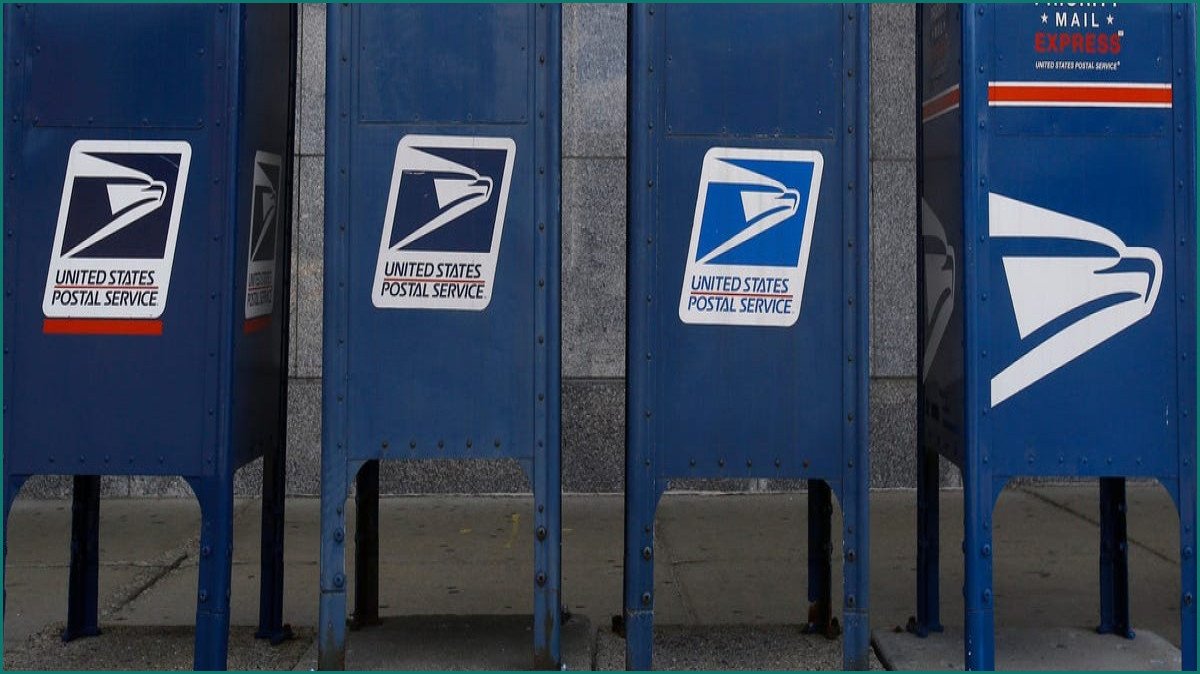
Unlike the solo operators of past decades, contemporary check fraud is dominated by highly organized criminal syndicates. Anchin noted that these gangs steal mail en masse and deploy sophisticated technology to alter existing checks or fabricate entirely new ones. Thieves routinely target residential mailboxes, fish items out of U.S. Postal Service drop boxes, or even steal entire bags of mail directly from carriers.
Once a check falls into criminal hands, the techniques used to exploit it are remarkably simple yet devastating. Adam Rust, the director of financial services at the Consumer Federation of America, explained that thieves often use household chemicals like acetone, bleach, or rubbing alcohol to "wash" the original payee's name off the paper. The fraudster can then write in a new name and a vastly inflated amount to cash it themselves, or leave the check blank to sell on the dark web. Furthermore, the check itself displays highly sensitive data. "Your account number and routing number appear on the check," Rust warned. "It’s very personal. It’s very sensitive."
The threat is far from theoretical. Chuck Bell, the programs director for advocacy at Consumer Reports, experienced this firsthand in 2021. Criminals intercepted his heating bill from a mail collection box, doctored the check, and successfully cashed it for $25,000. Although Bell managed to recover his funds a few weeks later, the experience highlighted the systemic dangers. Bell argues that the most straightforward solution is for consumers to abandon paper checks altogether. This shift is already happening at the highest levels of government; in 2025, President Donald Trump issued an executive order aimed at phasing out paper checks to and from the federal government.
Transitioning away from paper is not without hurdles, particularly for older or less tech-savvy populations. Bell acknowledged that some Americans "have never become comfortable with making payments on the phone or on the computer," adding that moving the entire nation to digital transactions "is not as simple as it looks." Nonetheless, financial advocates emphasize that electronic alternatives are vastly more secure. Paying online via credit cards, debit cards, or electronic checks through secure portals is highly recommended. Utilizing a bank's automatic bill-pay application is another secure route; even if the bank occasionally mails a paper check on your behalf, the process remains much safer than sending a personal check from a home mailbox.
For those utilizing mobile peer-to-peer services, the banking sector heavily favors Zelle because it is embedded directly within existing banking apps, offering a layer of institutional security. A comprehensive 2023 analysis by Consumer Reports evaluated popular services including Venmo, Zelle, Cash App, and Apple Cash on safety, privacy, and transparency. The study ranked Cash App and Apple Cash highly for overall safety, while Apple Cash took top marks for user privacy. "I think an electronic payment is always safer than a check payment," Anchin stated.
For individuals who absolutely must mail a paper check, experts suggest several precautions to minimize risk. Consumer Reports advises purchasing checks equipped with built-in security features, such as holograms, watermarks, and chemically sensitive paper or ink that reacts to washing agents. Additionally, the American Bankers Association recommends writing checks exclusively with permanent, indelible, or fraud-prevention ink rather than standard ballpoint pens. Anchin warned that "it’s really trivial to wash ballpoint ink off a check."
When filling out a check, it is crucial to leave no blank spaces where a thief could insert extra digits or alter names. To prevent physical theft, consumer advocates urge people never to leave mail in residential boxes overnight. Instead, drop mail directly inside a post office or use a secure USPS mailbox. Wells Fargo's Bernardo emphasized the danger of multi-stage transit, noting, "The more touch points there are along the way, the more bad things can happen."
Finally, vigilance is critical after a check is sent. Consumers should monitor their bank accounts to verify deposits, inspect digital check images to confirm the payee and amount were not altered, and follow up with recipients to ensure the funds arrived. If fraud is suspected, both the bank and local police should be notified immediately. Under banking regulations, financial institutions are generally liable for forged checks, but Rust cautioned that banks often impose a strict 30-day reporting window. If a customer fails to review their statements and report the fraud in time, the bank can legally argue negligence, potentially leaving the victim unable to recover their stolen money.
An online search for “permanent,” “indelible” or “fraud prevention” pens will get you to the right product. Avoid ballpoints.
Review your bank account to verify your check has been deposited. Examine the check image to ensure the payee hasn't changed. Contact the recipient to make sure they actually cashed it.