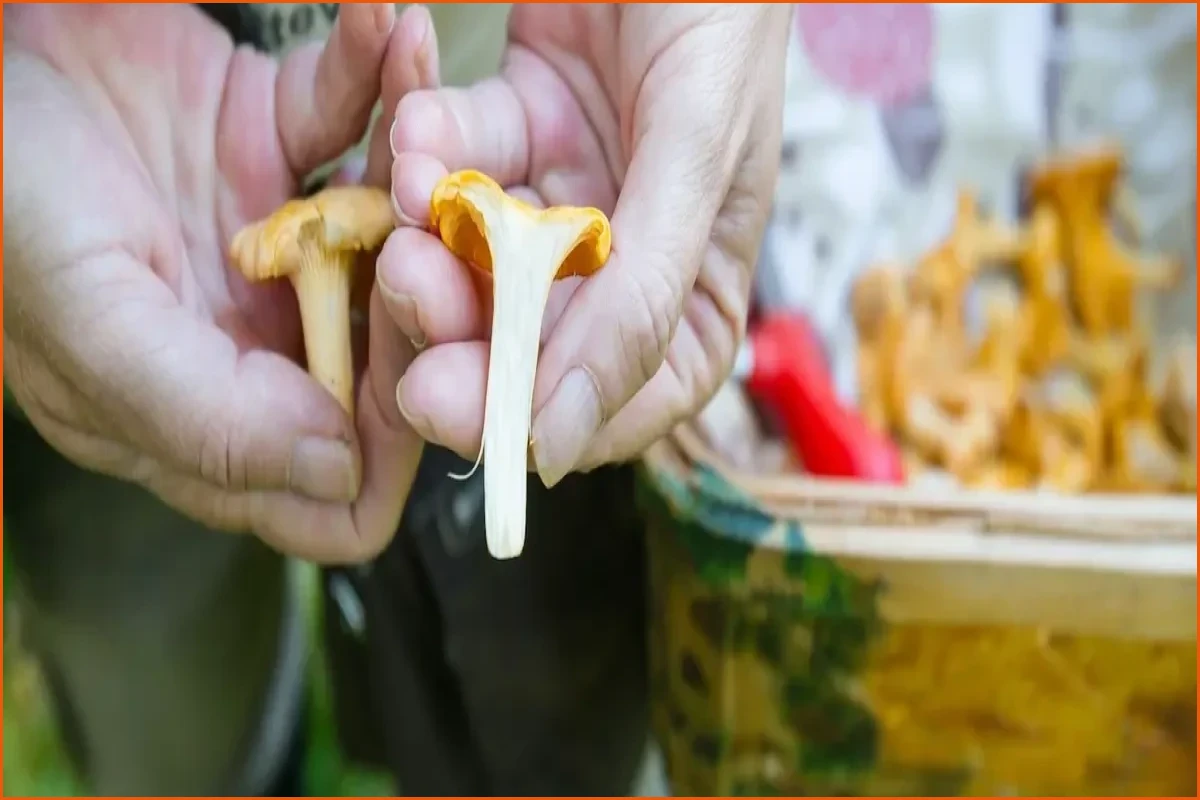
As the warmth of late summer transitions into the crisp air of early autumn, forests across Sweden become a bustling hub for foraging enthusiasts. This period marks the height of the country's beloved mushroom-hunting season. It is a time when many residents routinely leave their workplaces early to wander through local woodlands, hoping to return home with substantial hauls of yellow chanterelles, trumpet chanterelles, and prized ceps. For those who manage to find a productive spot, the harvest can yield several kilograms of wild fungi, which can be dried or frozen to provide a steady supply of gourmet ingredients until the following year's season arrives.
Despite the abundance, taking up this traditional Swedish pastime can feel intimidating for foreign residents who did not grow up with a culture of foraging. Success in the forest requires a mix of patience, environmental observation, and careful study. To time a foraging trip perfectly, aspiring hunters should keep a close eye on local weather patterns. Heavy rain acts as a primary catalyst for growth. Ceps typically begin to emerge between three and ten days after a significant downpour, while chanterelles require a bit more time, generally surfacing two to three weeks after the rainfall.
For those eager to venture out, expert guidance can help demystify the process. Patrik Björck, the co-founder of Sweden's largest Facebook mushroom forum, Svamp-Klapp, offers essential strategies for beginners. His most critical piece of advice is to only harvest and consume species that can be identified with absolute certainty. Many beginners tend to uproot the first mushroom they come across and then seek to identify it and see if it's poisonous or not. Don't do this. It's a much better approach to study just one or two of the most common edible mushrooms beforehand and then go out looking only for them.
While caution is necessary, Björck emphasizes that fear should not prevent people from enjoying the activity. Out of the estimated 10,000 mushroom species one might encounter in Swedish forests, only about 100 are considered choice edibles, and only a small handful are potentially fatal. For beginners, chanterelles, trumpet chanterelles, and ceps represent the safest and most practical starting points, which are also the primary varieties sought after by the average Swedish picker. Foragers should strictly avoid wild white mushrooms, particularly those with white gills, as they can easily be confused with highly toxic species.
Chanterelles are most often found in pine woods (although you might find some under beech and oak in Skåne), and hide under fallen leaves, making them hard to spot until you get the knack for it. You're most likely to find nothing for an hour and then stumble on a patch hiding dozens and dozens, so be patient. These mushrooms are characterized by their bright yellow color and ridges that run down the stem without a distinct ring dividing them, rather than true gills.
One major benefit of targeting chanterelles is that their only common lookalike, the false chanterelle, is not poisonous, though it does have a slightly unpleasant taste. Björck explains that foragers can easily distinguish between the two by examining their flesh and scent. True chanterelles have white, slightly stringy flesh when cut open and carry a distinct apricot-like scent. In contrast, false chanterelles feature orange, rubbery flesh and smell of rotting wood.
Beyond chanterelles, various boletes offer a rewarding and safe target for foragers. Varieties such as the bay bolete and the birch bolete are highly regarded for their flavor. Boletes are easily recognizable by their brown, dimpled caps and the spongy tubes they possess instead of gills. This group of mushrooms is exceptionally safe for beginners, as there is only one toxic genus, known as Rubroboletus. While these toxic boletes are not lethal, consuming them will cause severe illness.
The most notable toxic bolete is the Satan's bolete, which causes intense sickness but is geographically restricted to the Swedish islands of Gotland and Öland. Another rare relative, the false Satan's bolete, is found in eastern Sweden, with documented sightings in Södermanland, Östergötland, Öland, and specific locations like Drottningholm in Stockholm and Sparreholm. To avoid these toxic varieties, Björck advises foragers to stay away from any bolete that combines a grey cap with red pores. Foragers should also watch out for the bitter bolete, which is not poisonous but possesses an incredibly bitter taste that can ruin a dish. It can be identified by its pinkish pores and a distinctive black web pattern on its stem.
Finding the right location is key to a successful harvest. Old-growth forests that feature a mix of pine or fir alongside deciduous trees like birch, oak, or beech generally offer the best hunting grounds. However, ceps and chanterelles can still be found within commercial spruce and pine plantations. While asking locals can point beginners toward decent forests, finding a truly productive spot requires extensive walking. Once a good location is discovered, foragers should note its coordinates, as it will likely continue to produce mushrooms throughout the season and in subsequent years.
While some lucky foragers might persuade a local resident to share their favorite spots, Swedes notoriously guard their secret locations. Alternatively, joining a fungal foray organized by a local nature reserve can provide valuable regional knowledge. To increase the chances of a good find, pickers should venture several hundred meters away from well-used paths and parking lots, sometimes using bicycles to access deeper forest trails.
Reference materials can also assist in identification. Guidebooks like the River Cottage Handbook No.1 for Mushrooms by John Wright offer helpful photographs and descriptions, though its UK focus is most applicable to southern Sweden. Online communities, including the Svamp-Klapp Facebook group, provide rapid identification help from experienced members, provided users upload clear photographs showing the mushroom from multiple angles, including the gills and stem. For Swedish speakers, Björck also runs a highly detailed YouTube channel called Svamp för Alla.
When preparing for a trip, Björck recommends travelling light. "Bring only useful things. All you really need to carry is a good basket, a knife, your phone. And of course a snack or beverage; forest fika is always a spiffing idea." A smartphone is invaluable for tracking location, pinning productive spots, and using identification apps or forums. Baskets are highly preferred over plastic buckets, as they allow air circulation and prevent the mushrooms from becoming slimy. Many pickers carry two baskets: one for confirmed edible species and another for unfamiliar specimens collected out of curiosity. Suitable baskets can be found at retailers like Biltema, Ikea, and Åhlens by searching for the Swedish terms korg or svampkorg. A specialized Opinel knife is ideal for harvesting, though any basic knife will suffice.
Finally, ethical foraging practices help preserve the forest environment. Björck advises pickers to be selective, leaving maggot-infested or overly mature specimens behind for forest creatures. While many Swedes carefully cut mushrooms at the base to leave the root, scientific reality shows that because mushrooms are merely the fruiting bodies of a vast underground fungal network, leaving the root does not affect future growth. Nonetheless, foragers should avoid indiscriminately ripping up wild mushrooms and discarding them, ensuring the forest remains undisturbed.
To know when to go out, study the weather. If there's been a heavy downpour, that will get the mushrooms growing, with ceps showing up 3-10 days after a heavy downpour and chanterelles taking two to three weeks.
5. Be a snob and don't lay waste to the forest