The United States military has carried out a sixth consecutive night of airstrikes against Iran, intensifying a high-stakes battle for control over the strategic Strait of Hormuz.
US Central Command (Centcom) stated that the latest wave of attacks was designed to further degrade Iranian military capabilities. Alongside the airstrikes, US forces boarded a vessel as part of an active blockade of the critical waterway. According to reports from Iranian state media, US missiles struck targets near the island of Qeshm, the port city of Bandar Abbas, and Bushehr, which hosts a nuclear power plant.
In a notable escalation of the conflict, Iranian media also reported that two bridges in Hormozgan province had been struck. Independent verification has confirmed an attack on at least one bridge located to the west of Bandar Abbas. These actions follow warnings from US President Donald Trump earlier in the week, who threatened to strike Iran's power plants and bridges if Tehran refused to return to negotiations.
The targeting of such sites has drawn international concern. After Trump suggested in April that the US would target civilian infrastructure, UN human rights chief Volker Türk emphasized that deliberate attacks on civilians and civilian infrastructure constitute a war crime, citing the 1949 Geneva Conventions that protect sites essential for civilian survival.
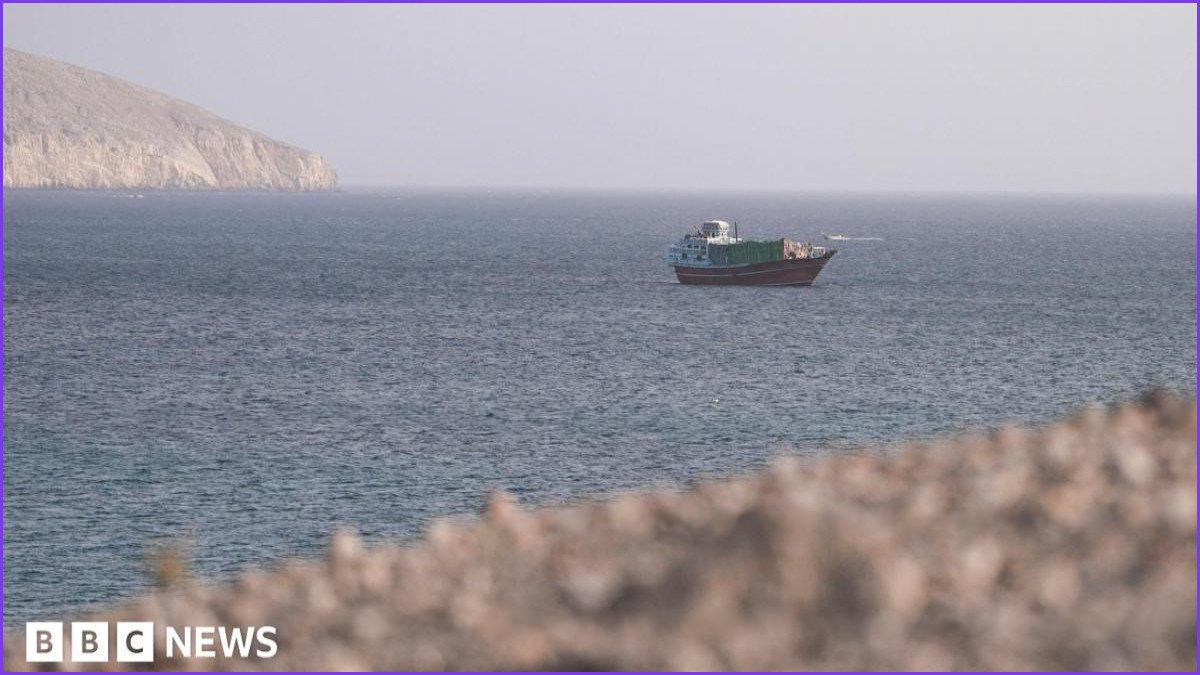
The maritime blockade, which began on Tuesday night, has also expanded. Centcom reported that US Marines boarded an oil tanker in the Gulf of Oman and redirected three commercial vessels attempting to bypass the blockade. During a previous blockade of Iranian ports between April 13 and June 18, US forces disabled nine vessels and redirected more than 140 others. Commenting on the situation, a US administration spokesperson told reporters, "The president will hold them accountable when they turn their back on the words that they state to the United States. But he is always open to diplomacy at the very same time."
The Strait of Hormuz remains closed after Tehran shut it down in response to previous US and Israeli strikes. Earlier on Thursday, Iranian forces claimed to have struck US military bases in Jordan, Kuwait, and Bahrain. In response, the US launched an intensive six-hour wave of strikes across multiple locations in the strait. This exchange followed a warning from Trump that Iran had "better behave" or face additional military measures if they do not negotiate.
Iran's top negotiator, Mohammad Bagher Ghalibaf, told state media that Tehran has "no reason" to respect any agreement that does not serve its national interests. He maintained that Iran's national security relies heavily on maintaining what he labeled "Iranian arrangements" inside the Strait of Hormuz.
Amidst the military exchanges, a diplomatic dispute emerged over the status of a US detainee. On Wednesday, Trump used Truth Social to praise Iran for releasing Dena Karari, an American citizen who he said had been "wrongfully detained" since December 2024. Karari's attorney, Jared Genser, confirmed she was returning to the US. However, Iran's judiciary quickly contradicted this claim on Thursday, with state media reporting that no American prisoners had been freed or exchanged.