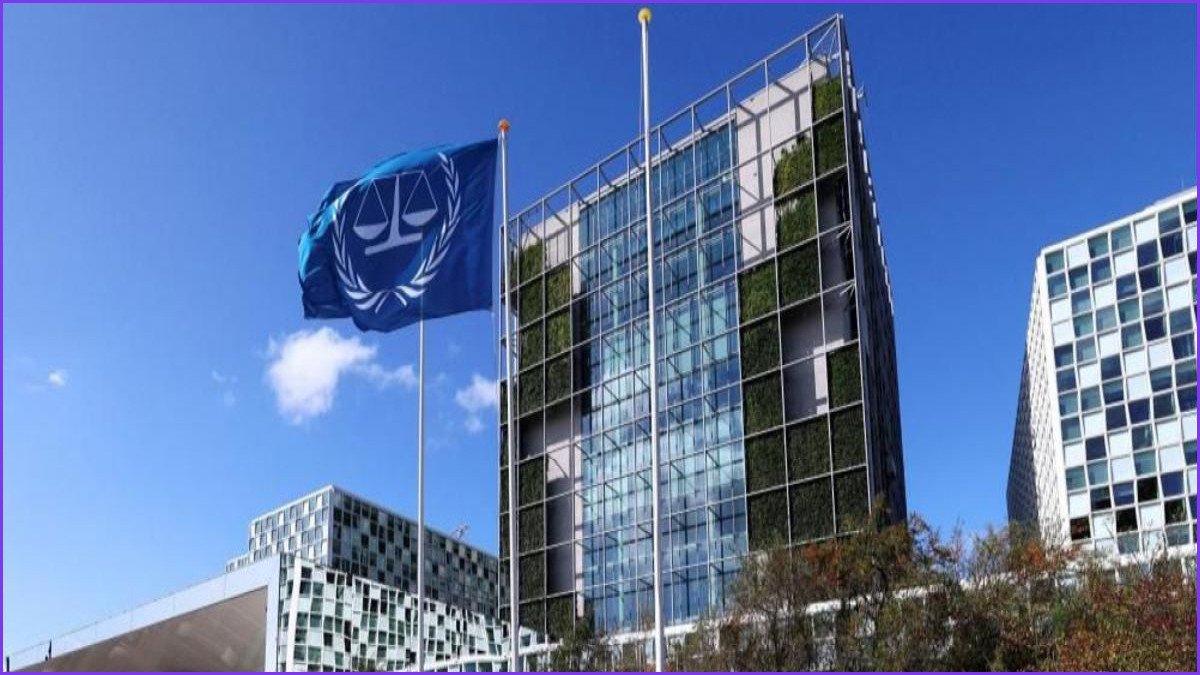
The United States has unveiled a comprehensive suite of sanctions targeting the International Criminal Court (ICC), marking a significant escalation in the Trump administration's efforts to dismantle what it characterizes as a rogue institution. US Secretary of State Marco Rubio announced the measures, which include a strict prohibition on US entities engaging in transactions with the ICC. Rubio stated that these actions are intended to defend American sovereignty, specifically accusing the court of attempting to prosecute US citizens.
The ICC has responded by condemning the move, describing the sanctions as an assault on the rule of law and the fundamental principles of the international legal order. Despite the pressure, the court declared that it would not be deterred, emphasizing that its staff remains committed to bringing those accused of the most serious international crimes—including war crimes, genocide, and crimes against humanity—to justice. The tribunal, founded in 2002 and currently comprising 125 member states, stated that history would judge this moment.
The announcement followed the news that former ICC judge Navi Pillay had been awarded the 2026 Nobel Peace Prize. While the US had previously sanctioned 17 individual ICC judges and officials, this new policy targets the institution itself, with the explicit goal of collapsing its financial operations. US companies are now prohibited from providing goods or services to the court, including essential banking and software support.
United Nations Secretary General Antonio Guterres described the US decision as a serious blow to the collective pursuit of international criminal justice, noting that the ICC serves as a key pillar of that system. Several major nations, including the United Kingdom, Canada, Germany, France, Italy, Japan, Denmark, and the Netherlands, reaffirmed their unwavering support for the court and expressed regret over the US sanctions. These nations praised the work of the court’s staff in supporting victims and pursuing accountability.
The Trump administration remains deeply critical of the court, viewing its leadership as globalists who threaten American national sovereignty. The administration expressed particular fury over a now-closed investigation into the actions of US soldiers in Afghanistan, as well as the court's recent issuance of arrest warrants for Israeli officials, including Prime Minister Benjamin Netanyahu. While the new sanctions do not explicitly require the withdrawal of those warrants, Rubio issued a stark warning, stating, "Either the ICC will end its threats, or we will end the ICC."
Rubio claimed that Washington had previously delayed these measures in hopes that the court and its member states would address US concerns. He further called on allies, including the UK, to rein in the institution. The Netherlands, which hosts the court in The Hague, faces significant pressure, with Dutch Foreign Minister Tom Berendsen warning that the sanctions would severely impair the court's ability to function. Conversely, Israeli Prime Minister Benjamin Netanyahu welcomed the move, labeling the ICC a political body rather than a legitimate court.