The United States expanded its aerial campaign against Iran on Friday, launching strikes that hit bridges, energy infrastructure, and a vital port. The military actions, which follow through on President Donald Trump’s promise to target Iranian power plants and infrastructure, have triggered immediate retaliatory strikes from Tehran against US allies across the Middle East.
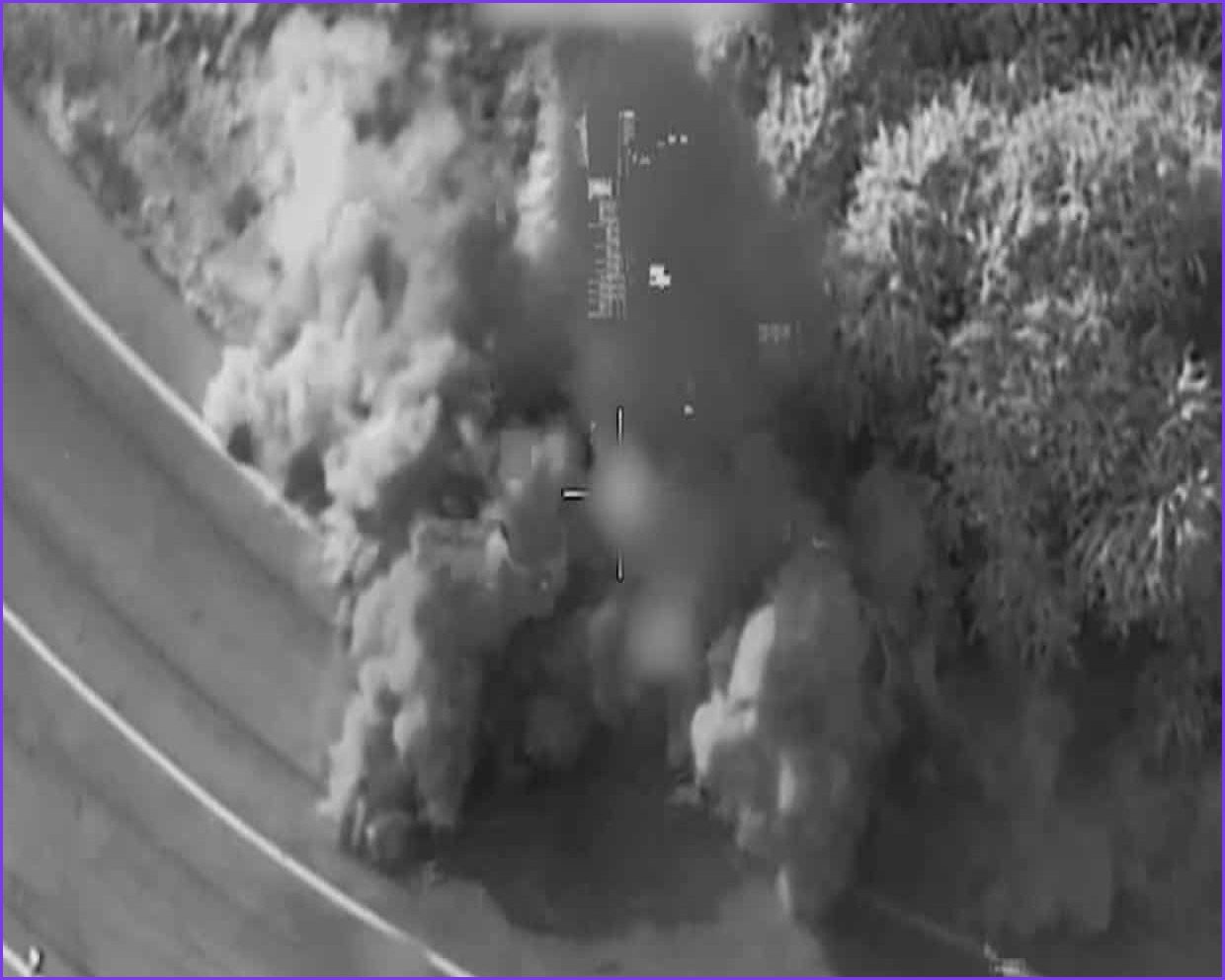
Iranian state television reported that US strikes on bridges in the southern Hormozgan province resulted in at least seven deaths. These bridges served as critical transit points for Bandar Abbas, the nation's main port. Additionally, US forces targeted Iranshahr airport, key electrical infrastructure, and brought down a tower at Chabahar port on the Gulf of Oman. According to Hossein Kermanpour, a spokesperson for the Iranian health ministry, the series of US strikes has claimed at least 38 lives and left more than 400 people wounded as of Friday morning.
The Iranian energy ministry has urged citizens to limit electricity and air conditioning usage as the power grid struggles under the strain of these attacks during a period of extreme heat. Meanwhile, human rights experts have cautioned that targeting civilian infrastructure that serves no military purpose could potentially be classified as a war crime.
In response, the Islamic Revolutionary Guard Corps (IRGC) issued a stern warning, stating that countries hosting US bases would face a “devastating price” if attacks on civilian infrastructure continued. Iranian military forces subsequently targeted Bahrain, Kuwait, Jordan, Oman, and Qatar. In Kuwait, a desalination and power plant was struck, causing damage to the facility, which provides roughly 90% of the nation's drinking water. Qatari authorities reported that a child was wounded by falling debris after air defenses intercepted incoming missiles. Further strikes in Iraqi Kurdistan were blamed on Iran, resulting in the deaths of eight members of Kurdish opposition groups. Tehran also claimed to have targeted the al-Tanf base in Syria, though Syrian authorities denied the occurrence.
At sea, the conflict has severely disrupted shipping in the Strait of Hormuz. US Central Command reported that US Marines boarded the M/T Wen Yao on Thursday as part of an ongoing naval blockade. Centcom added that three commercial vessels have been redirected since the blockade began on Tuesday, and an unladen oil tanker was disabled by US aircraft earlier in the week. A tanker near the coast of Oman sustained minor damage on Friday following an attack, though no crew members were injured and Iran did not claim responsibility.
Amidst the volatility, Iran has reportedly instructed its Houthi allies in Yemen to prepare for the closure of the Red Sea oil route. Houthi leader Abdul Malik al-Houthi has also threatened Saudi oil facilities. Despite the escalating regional conflict and trade disruptions, President Trump maintained that the campaign is progressing well for the United States, promising that the "fruits of that labor" would be seen shortly. Pakistan’s foreign ministry noted that while diplomatic efforts to bring the US and Tehran to negotiations continue, the task is becoming increasingly difficult.
“The American enemy and the hosts of its bases in the region should know that crossing red lines and attacking civilians and civilian infrastructure will have a very severe and devastating price to pay,” the IRGC said in a statement.
Week-to-week cargo shipments through the strait of Hormuz dropped by almost a quarter at the beginning of the month, according to the maritime data firm Lloyd’s List Intelligence. And that was before the recent surge in tit-for-tat attacks.