A comprehensive, government-backed investigation has revealed that journalists across the UK are increasingly resorting to self-censorship as a direct response to growing concerns over their personal safety. The study, conducted by Alma Economics, involved a survey of 531 journalists and 55 in-depth interviews, marking one of the most thorough assessments of press safety in the country to date.
The findings indicate that nearly half of the surveyed professionals feel their willingness to report on specific topics has been compromised by safety risks, with approximately one-third admitting they have already changed the way they cover certain subjects. Almost half of those surveyed said safety concerns influenced their willingness to report on certain stories, while about a third had changed how or what they covered. Many journalists reported an environment where they feel compelled to look over their shoulders, with some noting that newsrooms have begun to normalize these risks, often expecting reporters to be “thick-skinned” in an increasingly polarized climate.
Specific areas of reporting identified as particularly high-risk include rightwing anti-immigration protests, the administration of Donald Trump, and issues surrounding trans rights. Journalists noted that anti-immigration protests were the most frequently cited source of concern, both regarding physical safety at marches and the subsequent online backlash. In Northern Ireland, the National Union of Journalists has received multiple reports of reporters facing intimidation from masked men while covering similar unrest. In other instances, journalists have been targeted by coordinated efforts to identify and track them through social media platforms. In another case, footage of a journalist covering an anti-immigration protest was circulated in a Facebook group, with people working together to identify and locate them.
The research highlights that female journalists are disproportionately affected by this abuse, frequently reporting gendered and sexualized harassment, explicit threats, and intrusive comments regarding their appearance. One respondent recounted witnessing a female colleague subjected to misogynistic heckling at a rally, with the incident later being circulated online. Similar findings have been recorded in the US, where the International Women’s Media Foundation found journalists were working in heightened political polarisation, declining public trust in the media and increasing exposure to physical and psychological risks.
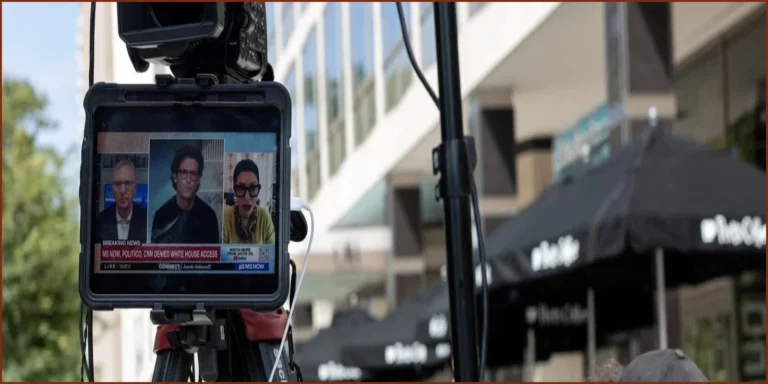
The investigation suggests that the rise of online and video journalism has made reporters more identifiable and vulnerable. While participants acknowledged that the UK remains safer than many other regions, they emphasized that risks are intensifying due to declining public trust, the labeling of media as “fake news,” and a lack of clear boundaries between professional journalists and the rise of untrained “citizen journalists.”
Laura Davison, general secretary of the National Union of Journalists, described the findings as “grim reading,” emphasizing that abuse should not be considered a standard part of the job. She called for social media companies to take greater responsibility for preventing harassment. In response, a spokesperson for the Department for Culture, Media and Sport stated that the government is collaborating with the National Committee for the Safety of Journalists to ensure reporters feel sufficiently supported to pursue stories of public interest.