The Entry & Exit System (EES), which replaces manual passport stamping with digital records of fingerprints and facial images for third-country nationals, was officially launched on October 12th, 2025. This system applies to non-EU citizens, including those from the UK, traveling to any of the 29 Schengen countries, which include 25 EU member states plus Iceland, Norway, Switzerland, and Liechtenstein. While the system is intended for full-scale implementation following an April 2026 start, the reality for travelers moving between the UK and France remains inconsistent, with many crossing points only checking a small fraction of passengers three months after the initial deadline.
A primary factor in this delay is the unique arrangement of juxtaposed border controls established by the 2003 Le Touquet treaty. Under this agreement, French and British authorities perform checks at departure points—such as London’s St Pancras station, the Port of Dover, and the Folkestone Eurotunnel terminal—meaning travelers undergo no further checks upon arrival in France. The same process applies to those departing from Paris Gare du Nord, Coquelles, or Calais. Because of these shared responsibilities, the rollout of the required technology has faced significant hurdles.
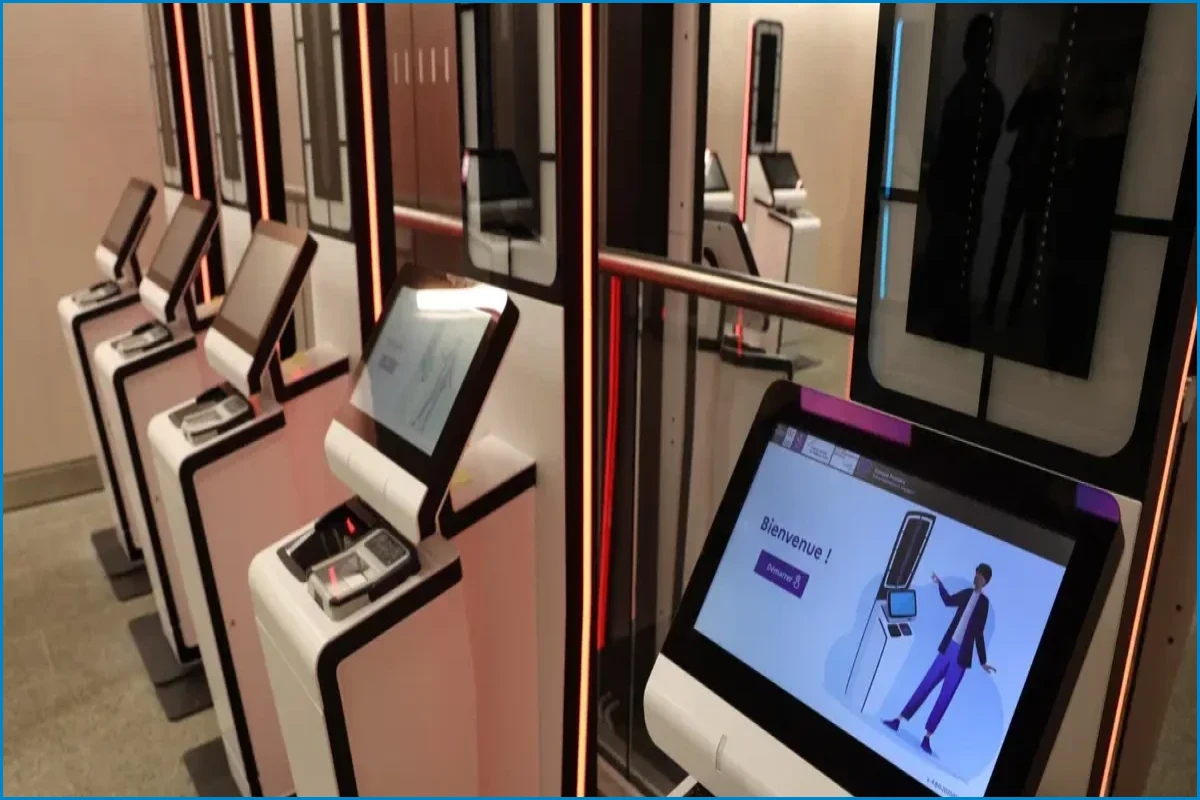
Eurostar has confirmed that full implementation of the biometric system will not occur until after the peak summer travel period. Although self-check-in kiosks have been installed in a designated area at London St Pancras, they are not currently operational. A Eurostar spokesperson explained that border officers are currently conducting checks manually. The company is coordinating with the French Ministry of Interior to finalize the activation timetable and operational software before introducing kiosk-based processing.
The Eurotunnel service, which operates the Le Shuttle train between Folkestone and Coquelles, has been conducting EES checks since October, but these are strictly limited to coach passengers and lorry drivers. On July 15th, the company confirmed that there will be no biometric capture for standard passenger vehicles throughout the summer. A spokesperson noted that the initial phase for coaches and freight has been successful, but further expansion depends on authorization from French authorities. LeShuttle customers should expect no changes to their travel process during the peak season, with full implementation likely pushed to September or later.
Similarly, the ports of Dover and Calais are currently restricting full EES checks to freight and coach passengers. They are also awaiting a green light from French authorities for wider implementation, which is not expected until the summer peak concludes. The Port of Dover has previously struggled with congestion, reporting six-hour queues in May when UK schools began their summer break. With British schools largely finishing their term on July 17th, the port has advised travelers to arrive no more than two hours before their scheduled departure and to use the A20 and A2 roads to avoid local traffic in Kent.
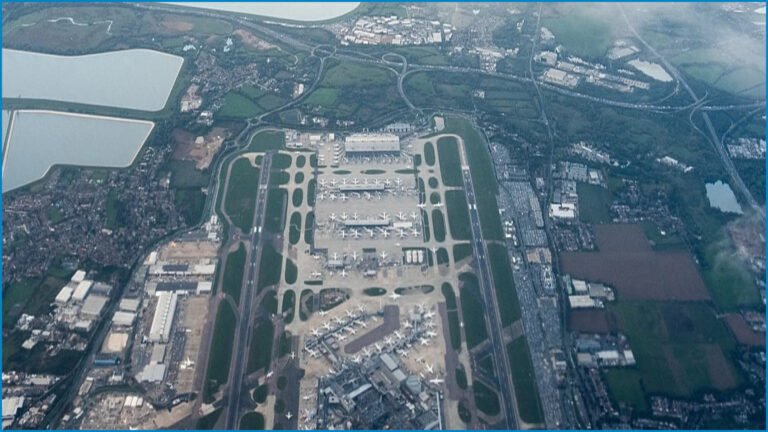
Travelers flying between the UK and France can expect full EES checks. While French airports have largely avoided the severe disruptions seen in some Italian and Spanish locations, there are ongoing concerns regarding capacity during the summer peak. Reports from travelers indicate that the process has generally functioned since April, though long queues have been noted at some smaller regional airports.
Despite requests for delays from airlines and travel industry bodies, the EU is proceeding with the rollout. The EU maintains that ports and airports have the flexibility to suspend checks if queues become excessive, though no systematic suspension has been announced. The association representing the UK travel industry, ABTA, has called for greater use of these contingency measures. ABTA CEO Mark Tanzer stated that as the system expands, the risk of delays increases, and authorities should be prepared to limit checks or stand down the system to manage passenger flow. Meanwhile, the EU has confirmed that the ETIAS visa waiver system, originally planned for late 2026, will be delayed until the EES is fully operational and technical issues are resolved.
Here's what to expect if you are travelling this summer;
The company initially said that this would be expanded to all passengers from January 12th 2006, but that deadline has been repeatedly pushed back, due to delays in the readiness of the technology required.