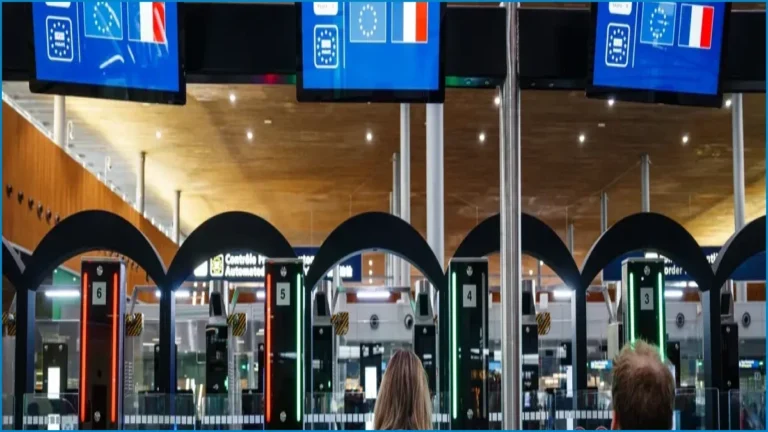
Predictions of widespread travel chaos following the implementation of the European Union's new Entry & Exit System (EES) did not come to pass during the 2026 summer season. While airlines and various airport operators had warned in the spring that the system would severely disrupt air traffic, a recent report from Eurocontrol suggests that the anticipated disaster failed to materialize.
The EES, which introduced mandatory extra passport checks for non-EU citizens crossing external EU borders, officially went into effect in April 2026. Ryanair, recognized as Europe’s busiest airline, had been among the most vocal critics, labeling the initiative a "botched IT system" and arguing that passengers were bearing the cost of the implementation. However, Eurocontrol’s findings indicate that the actual impact on the network was limited and showed a downward trend throughout the peak summer months.
The report tracked "code 86" delays—those specifically attributed to immigration, customs, or health authorities—across six Schengen Area countries with high traffic volumes: Germany, Spain, France, Greece, Italy, and Portugal. Among these, France and Germany were identified as the most affected, yet they recorded only modest increases in delays of 5.3 and 4.2 percentage points, respectively, when compared to July and August of 2025.
Eurocontrol emphasized that the data for the six countries showed a distinct trajectory: a marked deterioration in June, mixed results in July, and notable improvements by August compared to the previous year. It is important to note that the scope of this report was limited to airports. Concerns regarding the EES remain focused on ferry and rail crossings from the UK, where full implementation has faced repeated delays due to a lack of operational readiness.