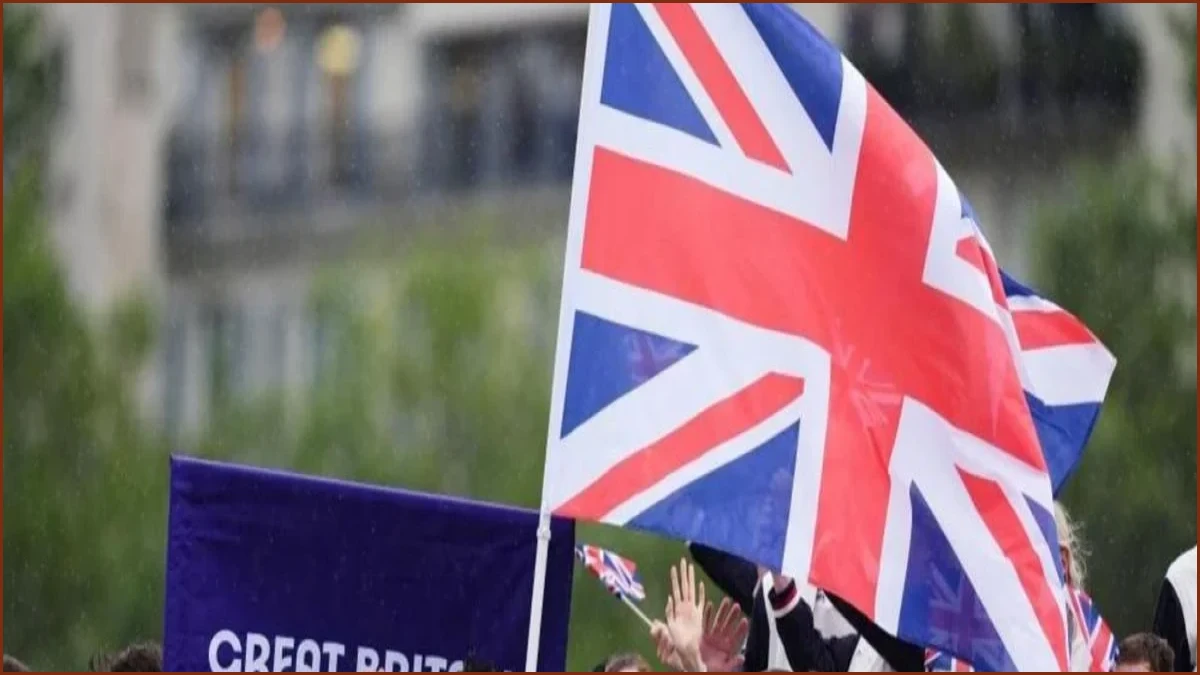
A £7 million fund dedicated to examining the feasibility of bringing the Olympic and Paralympic Games to northern England is set to be unveiled in Chancellor John Healey's upcoming Budget on Wednesday. The financial allocation will fund a comprehensive feasibility study evaluating a potential "Northern Games" bid for the 2040s. If the proposal ultimately moves forward and succeeds, it would mark the return of the Summer Olympics to the United Kingdom for the first time since the London 2012 Games.
The formal feasibility study represents the next phase of an initiative that began earlier this year. In May, the government directed UK Sport to conduct an initial assessment analyzing the potential expenses and advantages associated with hosting the multi-sport event across locations in the North. The concept was originally put forward by Northern Mayors and received public backing from a coalition of celebrated former Olympians, including Dame Laura Kenny and Dame Sarah Storey.
Under the newly funded plan, the full study will be undertaken collaboratively by the government, UK Sport, Northern Mayors, and both the British Olympic Association and ParalympicsGB. Reassessing the viability of a national bid, the report will examine operational logistics, provide closer detail on how hosting across northern communities could function, evaluate financial costs, and calculate the overall likelihood of securing a winning bid.
Addressing the initiative, Chancellor John Healey emphasized the lasting societal and economic impact of major sporting events. "Olympic legacy lasts way beyond the celebration of sport over the summer," Healey stated. "The North hosting an event as big as this would be truly unforgettable. Britain's experience of London 2012 is proof we can host the world. I'm picking up the pace on our work to potentially bid for these prestigious games. It will lift communities, create opportunities and give the UK a huge boost."
Highlighting the unifying potential of the Games, Prime Minister Andy Burnham noted that few events bring the nation together in the same manner. "Few things bring a country together quite like the Olympics," Burnham said. "I want people to feel that sense of excitement again, and to experience it in their own towns and communities, not just watch it on the telly. We know we can put on the greatest show on earth. Now we want to explore how we can do it again, with the whole country behind it."
Sports governing bodies expressed strong support for the government's announcement. In a joint statement, the British Olympic Association, ParalympicsGB, and UK Sport welcomed the decision to move forward with the assessment. "We welcome the government's continued support for exploring the potential of a future bid for the Olympic and Paralympic Games in the UK in the 2040s," the organizations stated. "Building on the success and legacy of London 2012, we look forward to working in partnership to explore this exciting opportunity and the benefits it could deliver for the nation, and for the global Olympic and Paralympic movements."
The financial scope and economic legacy of hosting the Olympics remain central to the debate surrounding any future UK bid. Following the London 2012 Games, the Conservative-Lib Dem coalition government estimated in 2013 that hosting the event had cost £8.9 billion. In the same year, a report by the UK Trade and Investment (UKTI) department—an entity that has since been replaced by the Department for International Trade—calculated that the 2012 Games generated a £9.9 billion economic boost through foreign investments, new contracts, and increased sales.
However, those economic return estimates were met with scepticism from independent organizations. Groups such as the Federation of Small Businesses and the National Institute of Economic and Social Research (NIESR) questioned the figures provided in the UKTI assessment. The upcoming feasibility study is expected to scrutinize these historical financial precedents closely as it weighs the projected expenses and tangible economic benefits of hosting a 2040s Northern Games.