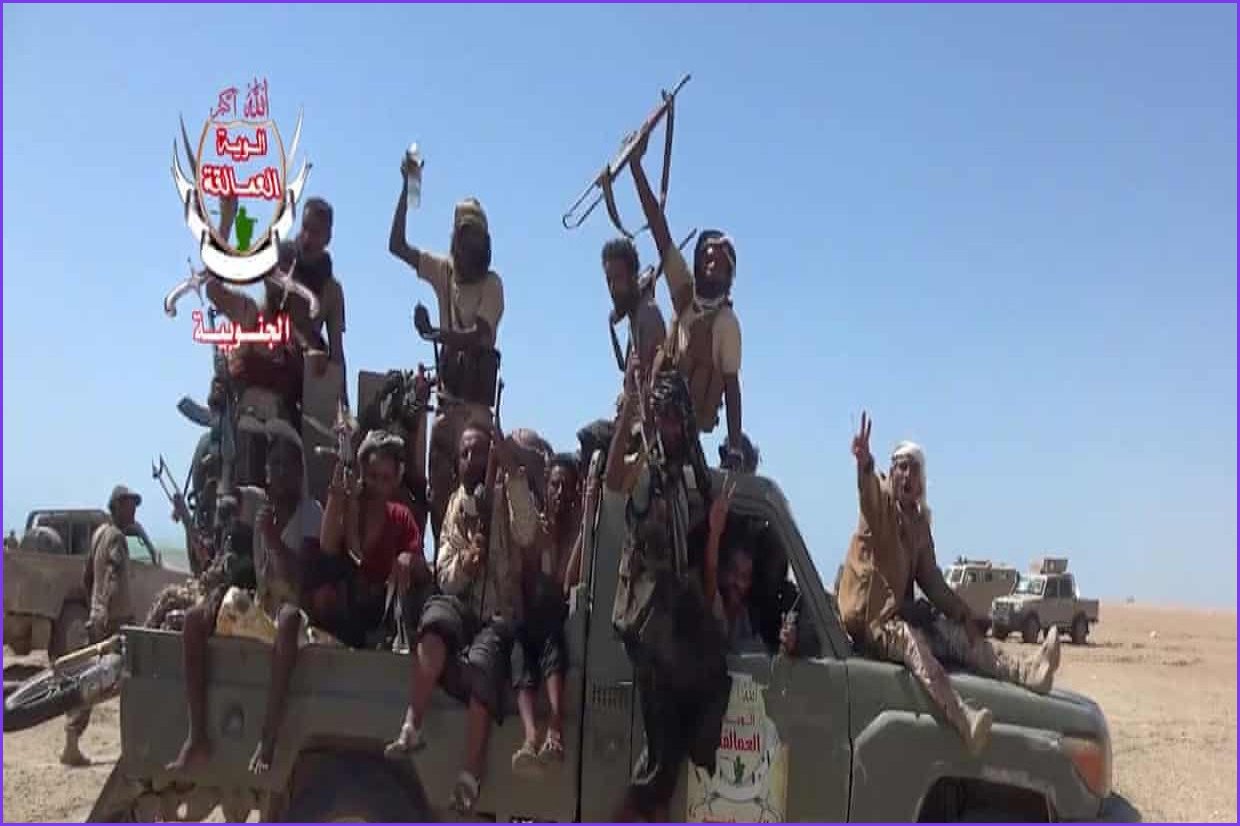
The United Arab Emirates (UAE) has reached an agreement to re-engage in the Yemen conflict by resuming financial support for government-aligned forces battling Iran-backed Houthi fighters. This move follows a period of heightened concern among Gulf state leaders regarding recent military gains made by the Houthis. Under the terms of the new cooperation agreement, Saudi Arabia has committed to providing air cover for these anti-Houthi units.
This development marks the first tangible indication that the significant diplomatic divide between the UAE and Saudi Arabia regarding Yemen’s future is beginning to resolve. The alignment comes as Saudi Arabia faces consistent drone and missile strikes that have immobilized airports and threatened vital energy infrastructure, creating difficulty in maintaining normal operations within the kingdom.
The Southern forces, particularly the Giant Brigades, were historically funded and trained by the UAE and are considered among the most effective elements of the anti-Houthi coalition. However, the UAE ceased its operations in Yemen in January, which resulted in the termination of its funding supply lines. The current shift aims to bolster these forces once again.
Despite the agreement, tensions remain regarding the political future of the region. Neither Saudi Arabia nor the UAE has responded to recent demands from southern Yemeni separatists for a referendum on secession, which would potentially restore the 1967-1990 borders. While the Southern Transition Council (STC) has not yet authorized its troops to engage in combat outside the former Southern Yemen borders, observers suggest that an explicit Saudi endorsement of a referendum could lead to the removal of that restriction. Currently, there is no direct contact between STC leader Aidarous al-Zubaidi and Saudi officials, as Zubaidi remains in Abu Dhabi following a failed attempt to consolidate power in the south earlier this year.
The military situation remains volatile. Yemen’s UN-recognized government in Aden recently announced a counteroffensive to reclaim the capital, Sana’a, though progress has been limited to areas near Majzar and the Bab al-Mandab strait. Meanwhile, the Houthis continue to target Taiz and Marib, the last major cities outside the former southern boundaries. On Friday, missiles struck near an Aden airport runway as a passenger plane prepared for takeoff, causing no casualties, though a separate Houthi attack on a presidential palace in Aden the previous day resulted in at least five deaths and 16 injuries.
International involvement is also evolving. Egyptian President Abdel Fattah el Sisi is convening an emergency parliamentary session to authorize military action to defend Saudi Arabia, though he emphasized that Egypt would not initiate offensive operations. In the UK, discussions regarding further military aid to Saudi Arabia continue, since the court of appeal in 2019 found the UK had acted unlawfully in issuing arms export licences during a previous Saudi bombing campaign of Yemen in 2015-16. The UN Security Council on 15 October adopted a UN presidential statement asserting Saudi Arabia’s right to self-defense in accordance with international law.
The humanitarian situation continues to deteriorate, with the UN reporting over 200,000 people displaced since August and increasing pressure on aid groups in Aden.
The missiles landed about 500 meters from the Yemenia Airways aircraft, and approximately 100 meters from the midpoint of the runway, said Yemen’s information minister, Moammar Al-Eryani.
In the UK, discussions are continuing about a Saudi request for further military aid. The UK has sent an RAF Voyager air-to-air refuelling aircraft, but regional diplomats are pressing for the UK to do more. Some concern is being expressed over whether Riyadh should be engaging closer with other Gulf States, including Oman and Qatar, on the issue.