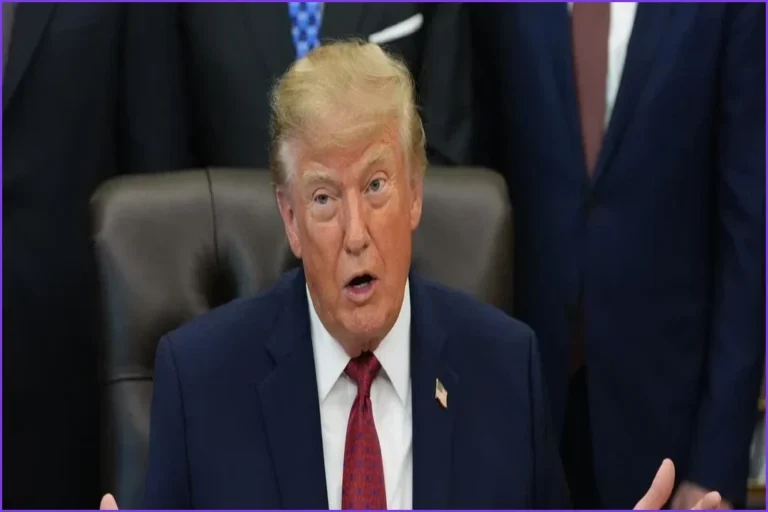
President Donald Trump has officially reversed his previous threat to impose a 20% fee on all cargo shipping passing through the Strait of Hormuz. The decision follows extensive discussions with Gulf leaders who expressed concerns regarding the proposed charge. Mr. Trump stated that while he dislikes the concept of a fee, he remains concerned about the fairness of the United States bearing the cost of protecting the vital waterway for the rest of the world.
The policy shift comes as the United States intensifies its efforts to challenge Iran's influence in the region. Tensions have escalated following a third night of US military strikes aimed at degrading Iran's capacity to threaten maritime traffic. In response, Iranian state media reported explosions across several cities on Tuesday, including Bushehr, which hosts a nuclear power plant. Tehran claimed to have targeted US military facilities in Bahrain and Jordan, following earlier strikes on two United Arab Emirates tankers.
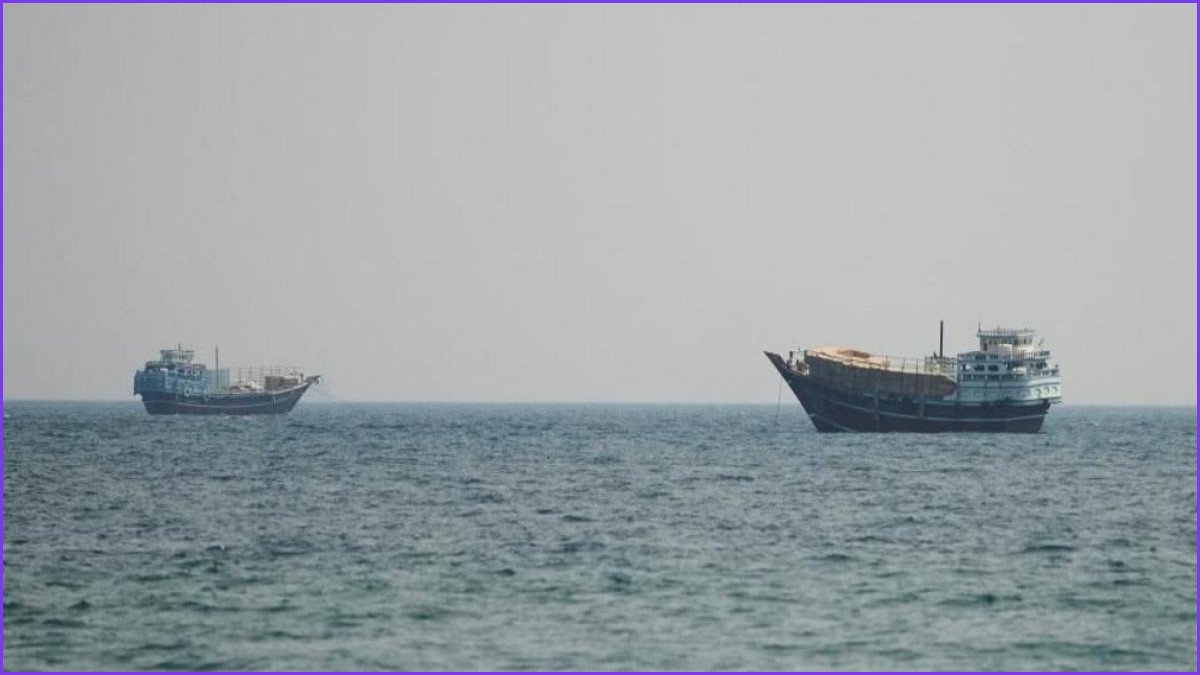
Amid these hostilities, the US has moved to re-impose a naval blockade on Iranian ports. US Central Command (Centcom) confirmed that the blockade was scheduled to take effect at 16:00 Eastern Time (20:00 GMT/21:00 BST) on Tuesday. President Trump declared that the United States is now the "guardian" of the Strait of Hormuz, asserting that the waterway remains open to all traffic except for vessels associated with Iran. He further claimed that oil continues to flow due to the strength of the US military.
Shipping data currently indicates that traffic through the Strait has slowed to its lowest point in two months, with global benchmark Brent Crude oil prices rising sharply as a result. Iran has effectively restricted the waterway—a critical artery that previously handled 25% of the world's oil and 20% of global liquefied natural gas—following joint US and Israeli strikes on February 28.
The situation remains volatile, with Israeli Prime Minister Benjamin Netanyahu issuing a stern warning on Tuesday. In a video message posted to social media, Netanyahu cautioned Iranian leadership against further escalation, stating that Israel's retaliation would be significantly more powerful if the country is attacked first. Meanwhile, the UAE has publicly condemned the recent attacks on tankers as the conflict between the US and Iran continues to disrupt regional stability.
"Those Investments will be MASSIVE but, at the same time, extraordinarily good for them, and their future." The US president provided no further details.
Speaking later after his talks in Washington with the new Iraqi Prime Minister Ali al-Zaidi, Mr Trump said: "I don't like the concept of a fee, but at the same time, it's not fair that we're protecting this Strait for the entire world."