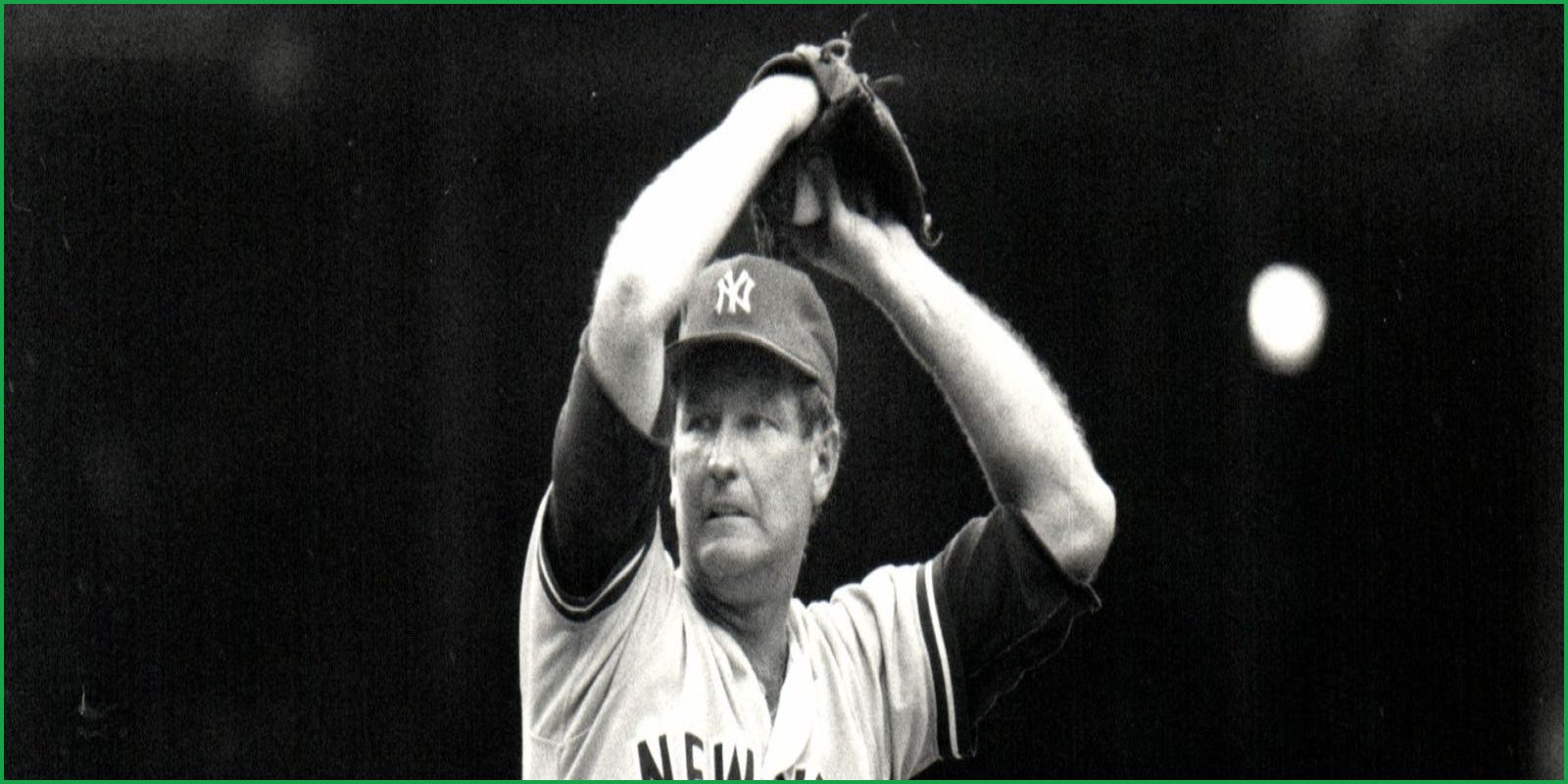
Tommy John, the legendary 83-year-old pitcher whose name is permanently etched into the history of sports medicine, shared an emotional message with the New York Yankees and their supporters during the team's Old-Timers' Day on Saturday. Currently battling bladder cancer and other health challenges, John took the opportunity to express his deep gratitude toward the Yankees organization, the Steinbrenner family, and the legion of fans who followed his remarkable 26-year professional career.
Reflecting on his journey, John recalled the advice his father gave him before he embarked on his career as a pitcher. He recounted, "The day I left for my first job as a pitcher, my father looked at me & said, 'Good luck, Tommy. Just remember one thing: whether you make it big in the big leagues or you don’t, you’ll always just be Tommy John from Terre Haute, Indiana.' I’ve never forgotten those words. Thank you & God Bless."
Beyond his 288 career wins, John became an icon for a medical procedure that has saved the careers of thousands of athletes. On September 25, 1974, Dr. Frank Jobe performed a revolutionary surgery on John, which involved removing a tendon from his wrist to reconstruct his left elbow by drilling holes into the ulna and humerus bones. The procedure, which John underwent while playing for the Dodgers, became known globally as "Tommy John surgery."
John noted that he often discussed the naming of the procedure with Dr. Jobe, who was a remarkably humble individual. According to John, Jobe found the medical term—"ulnar collateral ligament replacement surgery with the palmaris longus tendon"—too cumbersome to repeat, preferring instead to simply call it the surgery he performed on Tommy John. Following the successful operation, John returned to the mound and pitched for another 14 seasons, securing 164 additional victories.
While the surgery remains a cornerstone of baseball, John expressed sadness that it is still so frequently required today. "Thank God it worked. It was such a blessing," he said. "The only thing I hate is that 50 years later, it’s needed more than ever, and that’s sad. You would think with modern training and techniques, pitchers wouldn’t need that surgery as much."
It became one of the most innovative and influential surgeries in the history of sports medicine, performed on more than 3,000 pitchers.
Follow Bob Nightengale on X: @Bnightengale