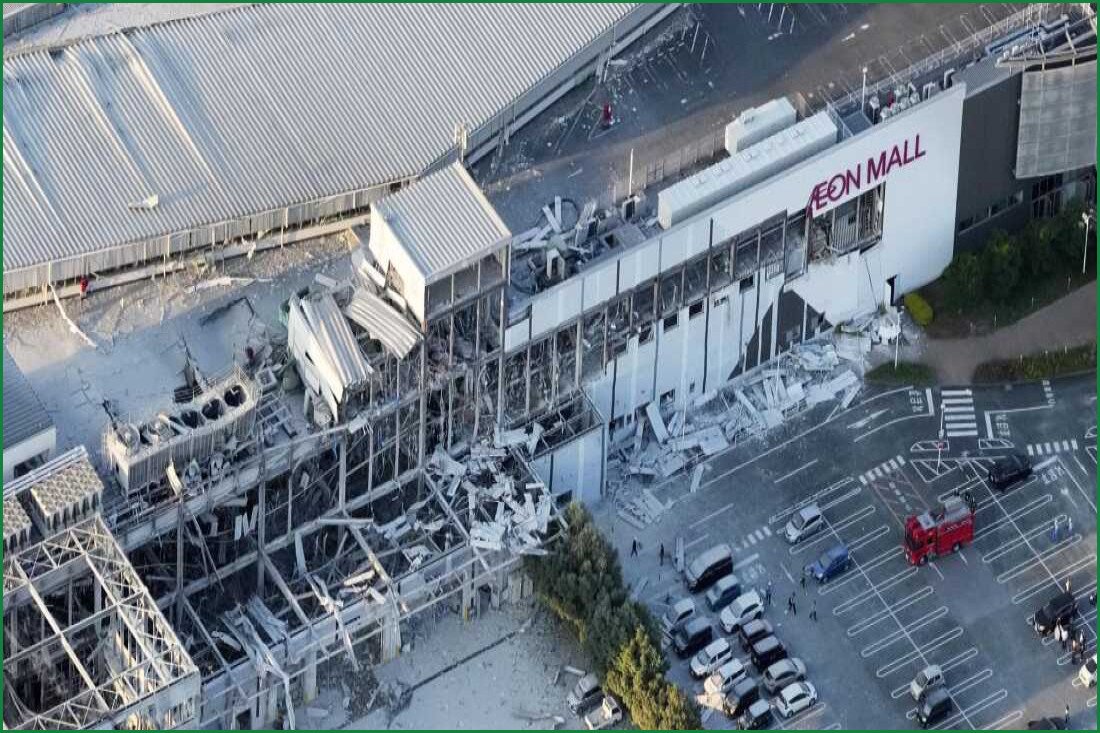
A powerful earthquake struck the Kumamoto prefecture on Japan's southern main island of Kyushu late Tuesday afternoon, resulting in reports of injuries and structural damage across the region. While the U.S. Geological Survey initially estimated the earthquake's magnitude at 7.1, the agency later revised the figure to 6.8. The Japan Meteorological Agency (JMA) issued a temporary tsunami advisory for the Ariake and Yatsushiro Seas, impacting the western coasts of Kumamoto, Nagasaki, Fukuoka, and Saga prefectures—an area located approximately 900 kilometers, or 560 miles, southwest of Tokyo. This advisory was lifted within two hours, and officials confirmed that no tsunami was observed following the inland quake.
Prime Minister Sanae Takaichi addressed the nation via X, stating that the government has established a dedicated task force to gather information, evaluate potential damage, and coordinate rescue operations. In subsequent remarks to reporters, Takaichi confirmed that there have been reports of multiple injuries and damage to essential infrastructure, including roads, bridges, and buildings. She also noted reports of blackouts and fires, while urging residents to exercise extreme caution regarding fire safety, particularly while cooking, and to watch for shards of broken glass. Takaichi emphasized that the government is prioritizing human lives and warned residents in the affected areas to remain vigilant for potential aftershocks.
The impact on local communities was significant. According to the Kyodo News agency, a hospital in Yatsushiro city admitted approximately 40 people for injuries sustained during the tremor. In the same city, a train derailed and fell on its side at the Yatsushiro station. Historic sites were also affected, with reports of damage to stone walls at the Kumamoto castle. Local residents expressed fear, with Hiroki Shimoda, an official at the Mifune town hall, noting that the shaking caused roof tiles on nearby homes to crash to the ground. He remarked that the experience was frightening and reminiscent of the deadly 2016 Kumamoto earthquake, which resulted in more than 50 deaths, 1,800 injuries, and extensive property destruction. Yozo Kai, a priest at a Shinto shrine in Mashiki, reported that several stone lanterns had fallen and expressed concern about the potential tilting of the shrine's main hall and gate.
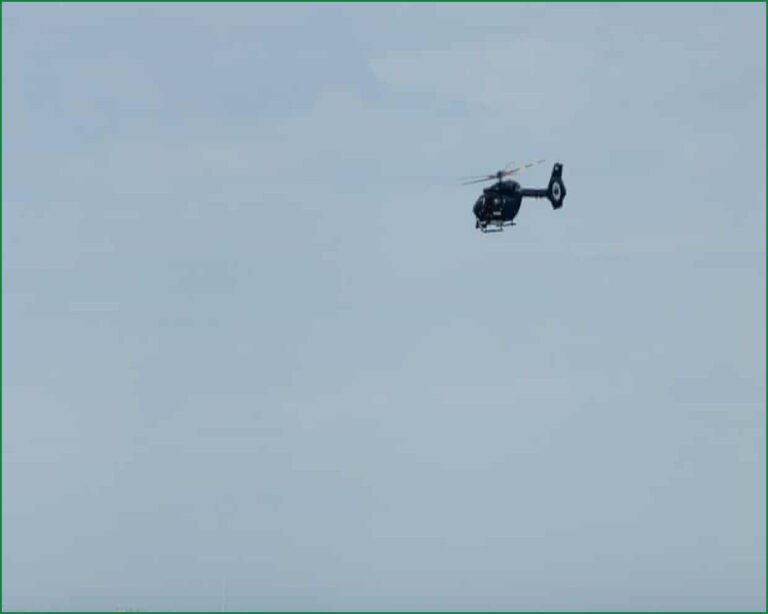
Transportation networks faced immediate disruptions. Shinkansen bullet trains and local train services throughout Kyushu were suspended to allow for safety inspections. The runway at Aso Kumamoto Airport was also closed, with a notice on the airport's website indicating there was currently no prospect of resuming operations. Meanwhile, the Japanese Defense Ministry dispatched aircraft to the region to assist with the situation assessment. Despite the chaos, Japan's Fire and Disaster Management Agency reported no damage to major public facilities or critical infrastructure, though local fire departments continued to receive numerous emergency calls regarding fires and damaged homes. The Nuclear Regulation Authority confirmed that no abnormalities were detected at three nearby nuclear power plants. Shinji Kiyomoto, a planning officer for the JMA's Earthquake and Tsunami Countermeasures, warned during a news conference that the shallow nature of the earthquake has triggered active seismic activity, urging residents to remain cautious for the next two to three days.