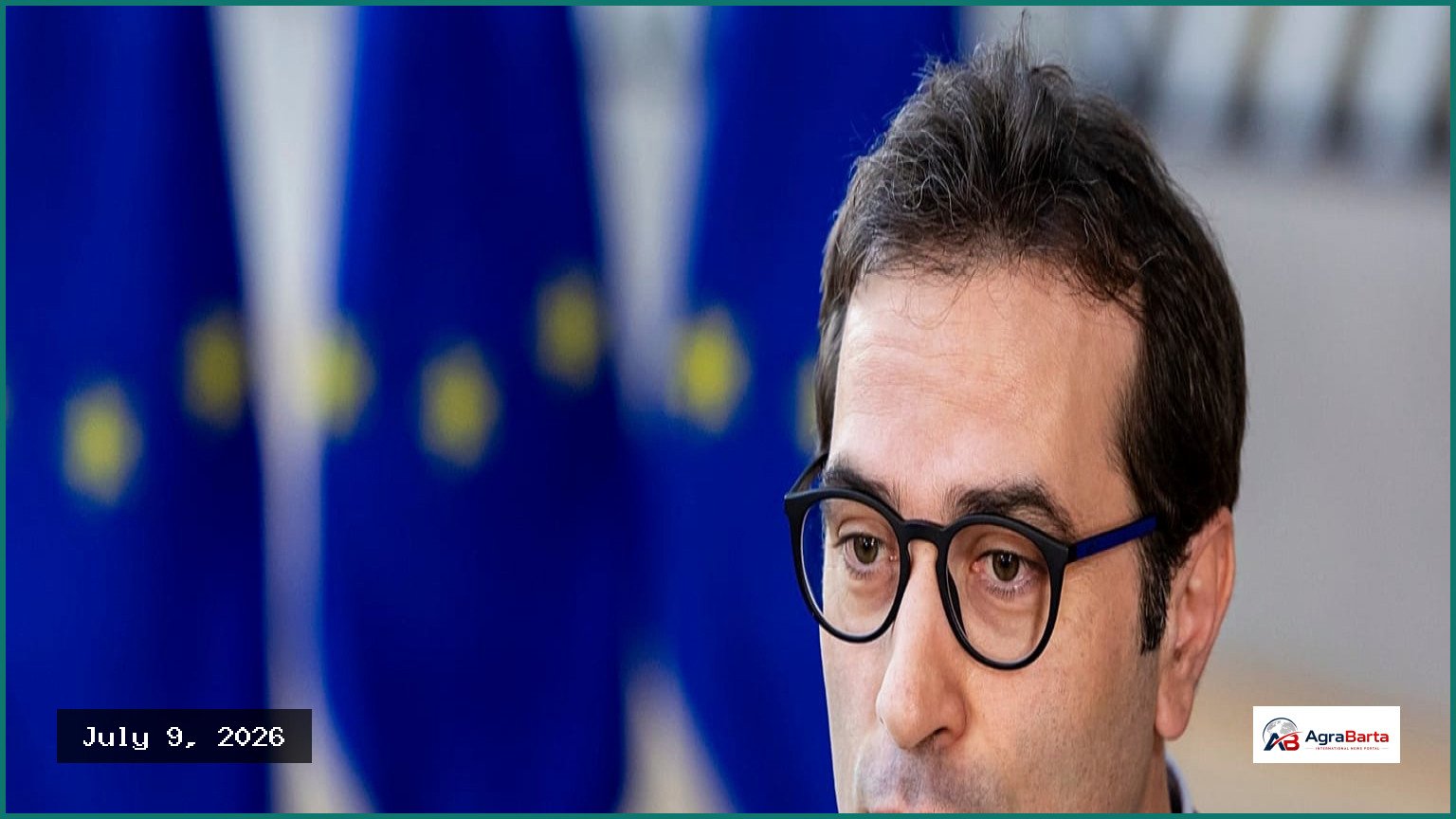
Spanish Finance Minister Carlos Cuerpo has signaled a growing momentum for the European Union to adopt a new joint borrowing mechanism, citing a “window of opportunity” to enhance the euro’s international role. As geopolitical uncertainty rises, particularly with the United States resuming hostilities with Iran, the bloc is increasingly focused on establishing safe assets to secure the euro as a global reserve currency.
On Wednesday, Spain officially circulated a detailed proposal for a mechanism titled the “European Sovereign Facility.” The initiative aims to centralize joint debt to mitigate costs associated with national fragmentation, while mandating that participating member states adhere to EU fiscal regulations. Under the proposal, the mechanism would be backed by the EU budget and loans from participating countries. If all 27 member states, along with the European Stability Mechanism and the European Financial Stability Facility, were to participate, the annual issuance could reach €850 billion, potentially creating a €5 trillion stock of joint debt within five years.
Minister Cuerpo emphasized the necessity of a specific proposal, noting that recent discussions have highlighted the urgent need for a safe asset. Spain has suggested that if universal participation is not immediately possible, a “coalition of the willing” could be formed. However, the document notes that the initiative would require the participation of at least the five largest euro area issuers to be meaningful, as this group alone would facilitate an annual issuance volume of approximately €540–550 billion.
The proposal arrives as the 27 EU members are actively negotiating the 2028–2034 long-term budget, which is expected to be finalized by the end of 2026. Financing remains a point of intense debate. Spain faces opposition from several Nordic countries, Germany, and the Netherlands, all of which remain staunchly against further joint debt. Conversely, the proposal has received public endorsements from nations including France and Greece.
"We think there's a good window of opportunity to put that proposal forward now. We've been having discussions on the international role of the euro over the past few months, with very good contributions on the fact that we need a safe asset," Cuerpo told Euronews.