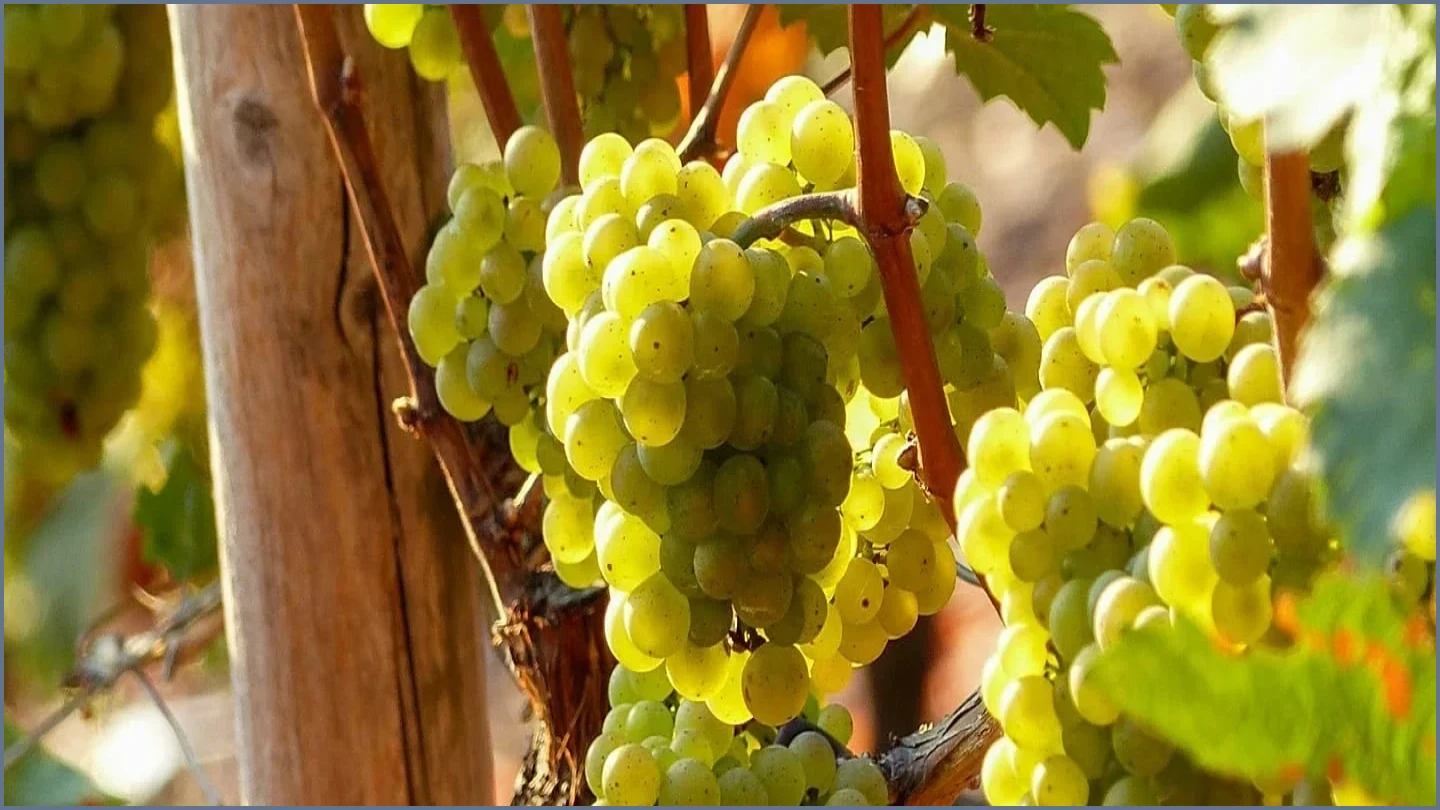
Researchers at Geisenheim University in Germany’s Rheingau wine region have demonstrated an innovative approach to shielding Riesling grapes from accelerating climate change by growing them beneath solar panels. Findings from a three-year study published this week indicate that photovoltaic panels effectively shade the fruit, preventing sunburn and preserving the vital acidity for which the region's white wine is celebrated worldwide.
The experimental setup was established in 2022 when researchers installed 552 semi-transparent solar panels directly above rows of Riesling vines. Designed to stand high enough for standard agricultural machinery to pass underneath, the panels actively rotate throughout the day to track the sun. Over three consecutive growing seasons, the shaded grapes ripened at a more measured pace, retaining acidity levels that characterized Rheingau Rieslings prior to modern warming trends. In addition to temperature control, the overhead structures provided physical protection against sunburn and grey rot, a destructive fungal disease that causes grapes to decay.
While warm summers were historically welcomed in cooler European wine regions like the Rheingau to help grapes mature fully and develop rich peach and apricot flavor profiles, modern heatwaves cause grapes to ripen prematurely. Rapid ripening leads to an accumulation of high sugar levels and a swift loss of acidity before complex aromas have time to form, resulting in wines with elevated alcohol content and diminished complexity.
However, integrating solar panels into vineyards presents notable operational trade-offs. During the overcast 2024 season, the heavily shaded vines produced 44 percent fewer grapes compared to unshaded vines in open fields. Despite lower yields in cloudy years, winemakers could potentially counterbalance financial losses by generating and selling solar electricity while simultaneously reducing their own energy bills. The primary barrier to widespread adoption remains the high initial investment, as the experimental Geisenheim installation carried a price tag of €350,000. Manfred Stoll, a professor of viticulture at Geisenheim University and co-author of the study, emphasized the urgency of adaptation, stating in an interview that growers "definitely don't have time to wait any longer."
The findings arrive as escalating temperatures severely disrupt viticulture across historical European wine regions. In France's Burgundy region, harvest volumes plunged 26 percent below their five-year average this year due to persistent drought and severe heatwaves—conditions scientists indicate would be virtually impossible without climate change. The historic Hospices de Beaune estate lost approximately half of its harvest following six months of near-drought conditions. Similar climate pressures are mounting across Tuscany and other historic wine-growing areas.
Data shows that European vineyards are among the hardest hit by global warming, with average daily high temperatures during the growing season rising by roughly 3°C in France and 2°C in Spain and Italy since 1980. Climate projections warn that if global temperature increases exceed 2°C above pre-industrial levels, nearly 90 percent of traditional wine-producing areas located along coasts and low-lying plains in Spain, Italy, Greece, and southern California could become too hot or dry for high-quality wine production by the end of the century.
In response to changing weather patterns, some French producers are shifting operations northward to plant new vineyards in Normandy and Brittany, regions traditionally recognized for cider rather than fine wine vintages. Other growers have been forced to uproot vines entirely amidst climate stress and falling global demand. However, geographical relocation and altering grape varieties present severe hurdles in Europe due to Protected Designation of Origin (PDO) regulations, which strictly mandate that iconic wines like Champagne and Barolo be produced in designated regions under rigid traditional rules. A 2024 study highlighted that these PDO restrictions on permissible grape varieties leave traditional European winemakers particularly vulnerable to ongoing climate shifts.