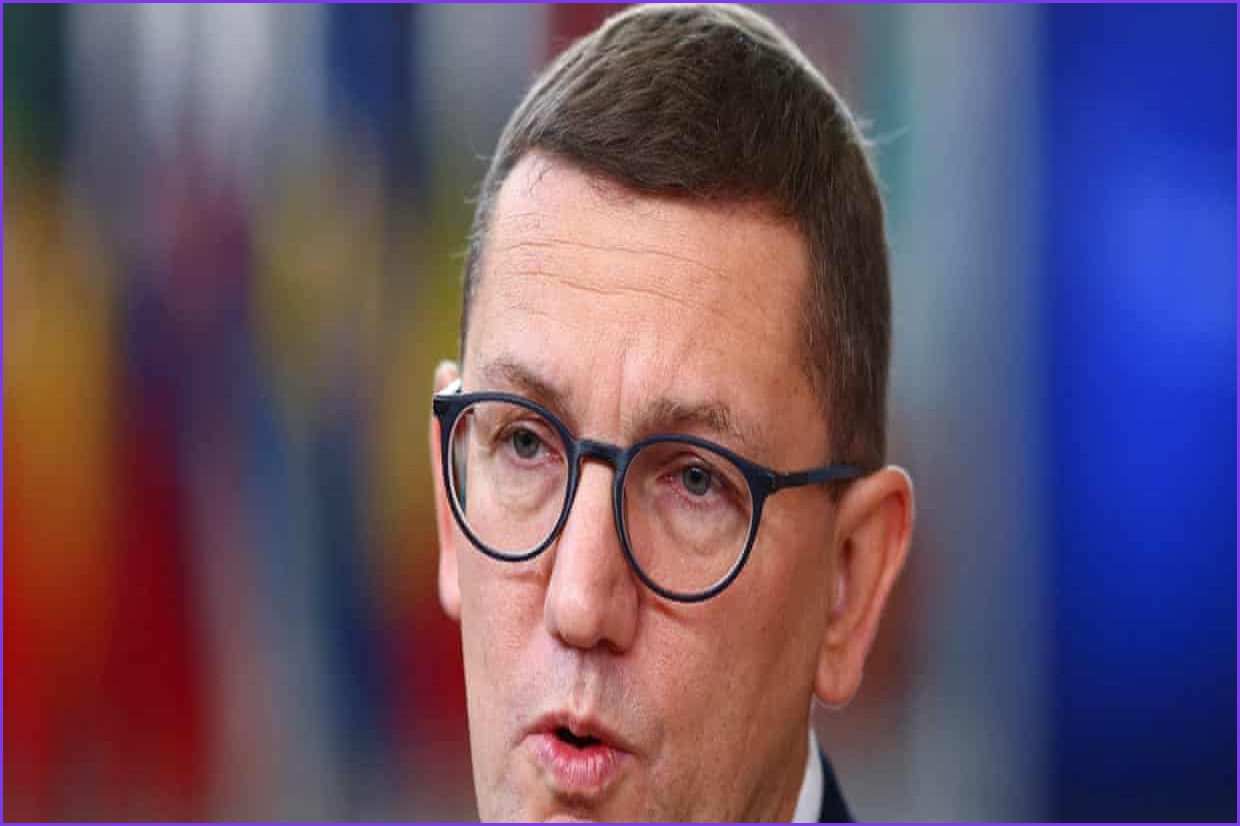
Estonia’s Prime Minister, Kristen Michal, is calling on the European Union to implement a ban on Russian athletes participating in international sports events. Michal argues that the Kremlin is utilizing these competitions to “legitimise” its ongoing military aggression against Ukraine. Speaking to the media, the Prime Minister expressed optimism that the EU would move to prevent Russians from competing under their national flag and symbols.
Concerns have been mounting among Ukraine’s allies in Europe and Canada regarding Russia’s incremental return to the international sporting arena while it continues to conduct deadly missile and drone strikes. The International Olympic Committee (IOC) announced earlier this year that it was lifting its suspension on Russia, potentially clearing the way for Russian teams to participate in the 2028 Los Angeles Olympics. Furthermore, the Court of Arbitration for Sport has ruled that Russia is eligible to compete in the upcoming ice hockey world championships, which are set to take place in Germany next May.
In response to these developments, the European Commission proposed a ban last week that would prevent Russian and Belarusian athletes from competing in EU-based sports events under their national flags. The proposal, which forms part of the EU’s 22nd round of sanctions against Russia, would also bar Russia from sponsoring European sports and cultural associations and restrict Russian officials from participating in European sports bodies. To be enacted, the measure requires unanimous agreement from all 27 member states.
Despite the resistance from some international sports bodies, with the president of the European Olympic Committees, Spyros Capralos, recently stating that “the most important thing is for all athletes to take part,” Michal remains firm. He questioned how anyone could view images of killed women and children in Ukraine and still conclude that it is acceptable for Russian athletes—some of whom serve in the Russian army—to participate in international sports events.
Beyond sports, Michal expressed optimism regarding a separate proposal to ban current and former Russian combatants from entering the EU. Although this idea was previously delayed due to objections from Italy and France, the European Commission has now published guidelines on how to implement the ban, which also requires unanimous agreement. Michal noted that a series of incidents, including an attempted assassination in Denmark, a thwarted bombing in Leipzig, attempted arson at an Estonian drone factory, and the presence of missiles and drones in Poland, are driving the EU’s response. He warned that as Russia struggles on the front lines, its hybrid activities are becoming significantly more dangerous.
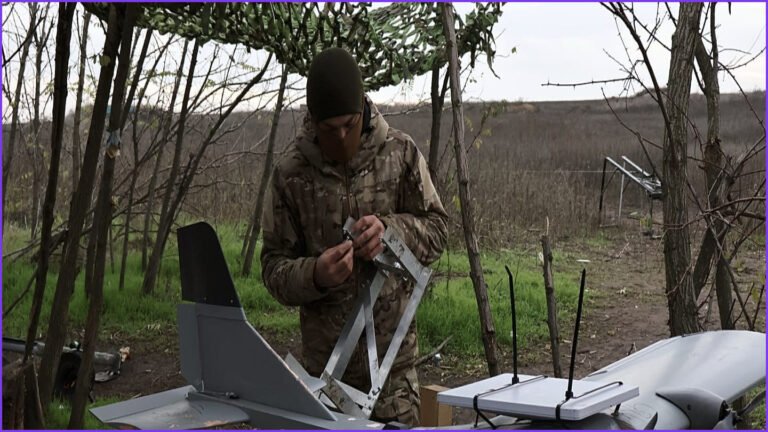
Estonia is taking its own measures, including the closure of all border crossings with Russia this Tuesday following the targeting of the Threod Systems drone factory near Tallinn. While Michal assesses the risk of a conventional armed attack on Estonia as low, he does not rule out further disinformation and hybrid attacks. Regarding the ongoing war, the Prime Minister stated that the EU would “never give up on Ukraine,” adding that Estonia is prepared to help fill any potential funding gaps, affirming, “If needed, yes, we will do more.”