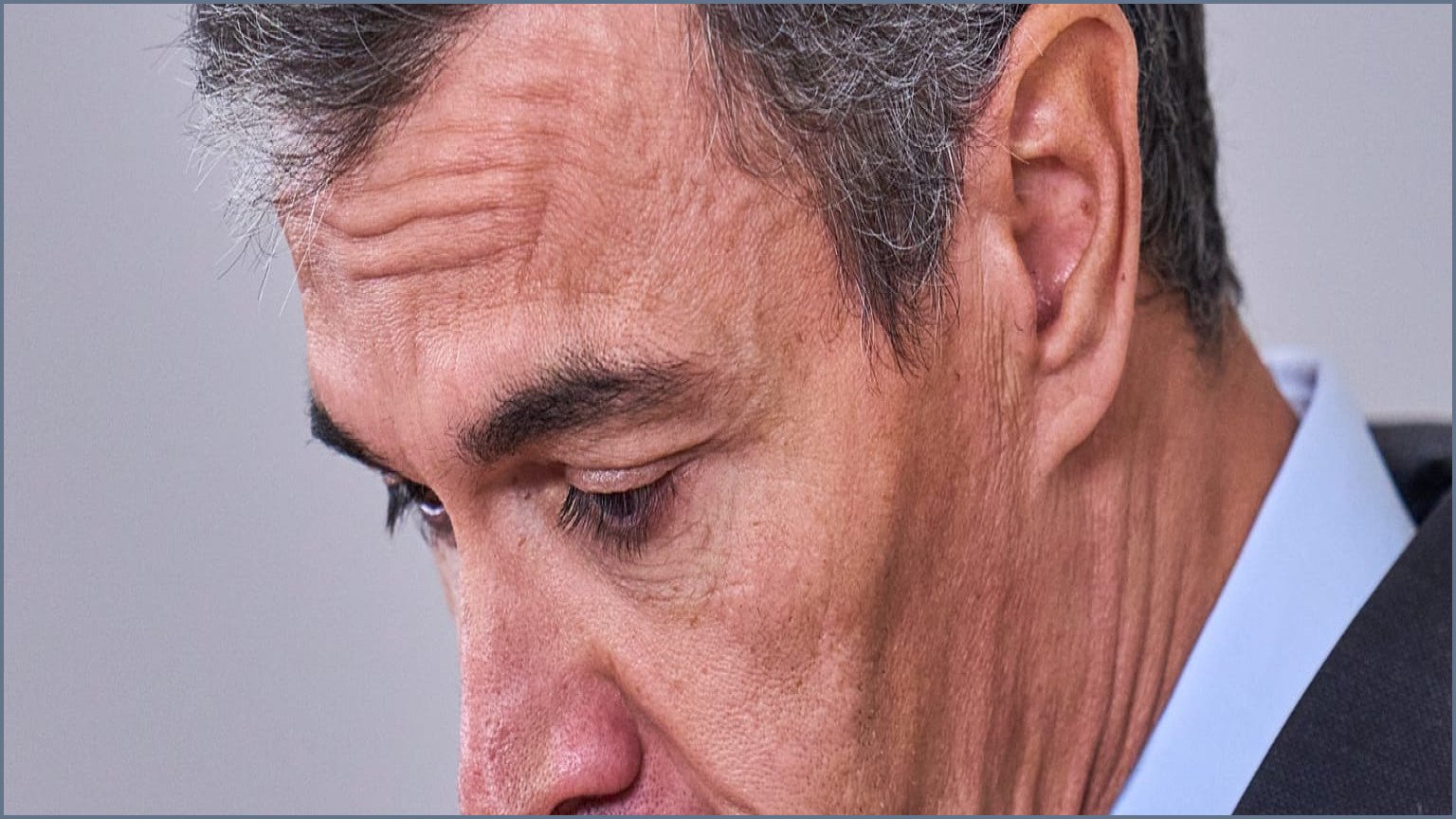
Spanish Prime Minister Pedro Sánchez is consulting with cabinet ministers and senior party officials to determine whether to call a snap general election. This political reflection follows a significant legislative defeat on Friday, when the Spanish Congress rejected two key housing decrees proposed by the government.
The legislative setback occurred when opposition forces, led by the People’s Party (PP), Vox, and the Catalan separatist party Junts, joined together to block the measures. The first decree fell in a 172 to 178 vote, while the second was rejected by 166 votes to 184. The defeated proposals, outlined by the Moncloa prime ministerial office, aimed to extend eviction protections for vulnerable citizens, regulate temporary and room rentals, reform tax structures, and offer greater stability for primary-residence tenancy agreements.
Under Spanish electoral law, a snap election must take place exactly 54 days after it is officially summoned. For an election to occur on Sunday, November 29—the earliest possible date—Sánchez would have to announce his decision on Monday, with the official decree dissolving parliament published in Tuesday's edition of the Official State Gazette. Despite the intense deliberations, the Prime Minister's official schedule remains active; he is slated to attend the National Congress of Family Business in Madrid on Monday and travel to Split, Croatia, on Wednesday for the MED9 summit.
If Sánchez decides against dissolving parliament, the government's alternative is to press on with the current legislative term and attempt to resurrect the housing measures, which would require renegotiating and rebuilding a viable majority in Congress. Within Sánchez's Spanish Socialist Workers' Party (PSOE), opinions are split. Eneko Andueza, the secretary general of the Basque branch (PSE-EE), remarked that it could be a "good moment for society to decide," while Carlos Martínez, the PSOE leader in Castile and León, described the situation as a "window of opportunity."
The prospect of an early vote has triggered urgent preparations across the political spectrum. Sumar, the junior coalition partner, convened its ministers and alliance members on Sunday to coordinate their strategy, though Second Deputy Prime Minister Yolanda Díaz emphasized that the election decision lies entirely with Sánchez. Meanwhile, Podemos secretary general Ione Belarra urged the government to persist with housing reforms rather than head to the polls, stating that citizens want "solutions, not elections." On the right, PP secretary general Miguel Tellado demanded an immediate election call on Monday, mockingly claiming that Sánchez "is still lying on the Moncloa psychiatrist's couch."
These high-level political maneuvers are unfolding against a backdrop of widespread public anger. Thousands of demonstrators have taken to the streets and established protest camps in cities across Spain to demand solutions to the ongoing housing crisis, with organizing groups threatening to escalate their campaign toward a general strike. However, political analyst Urquizu noted that, up to this point, the housing demonstrations have not translated into increased electoral support for left-wing parties.