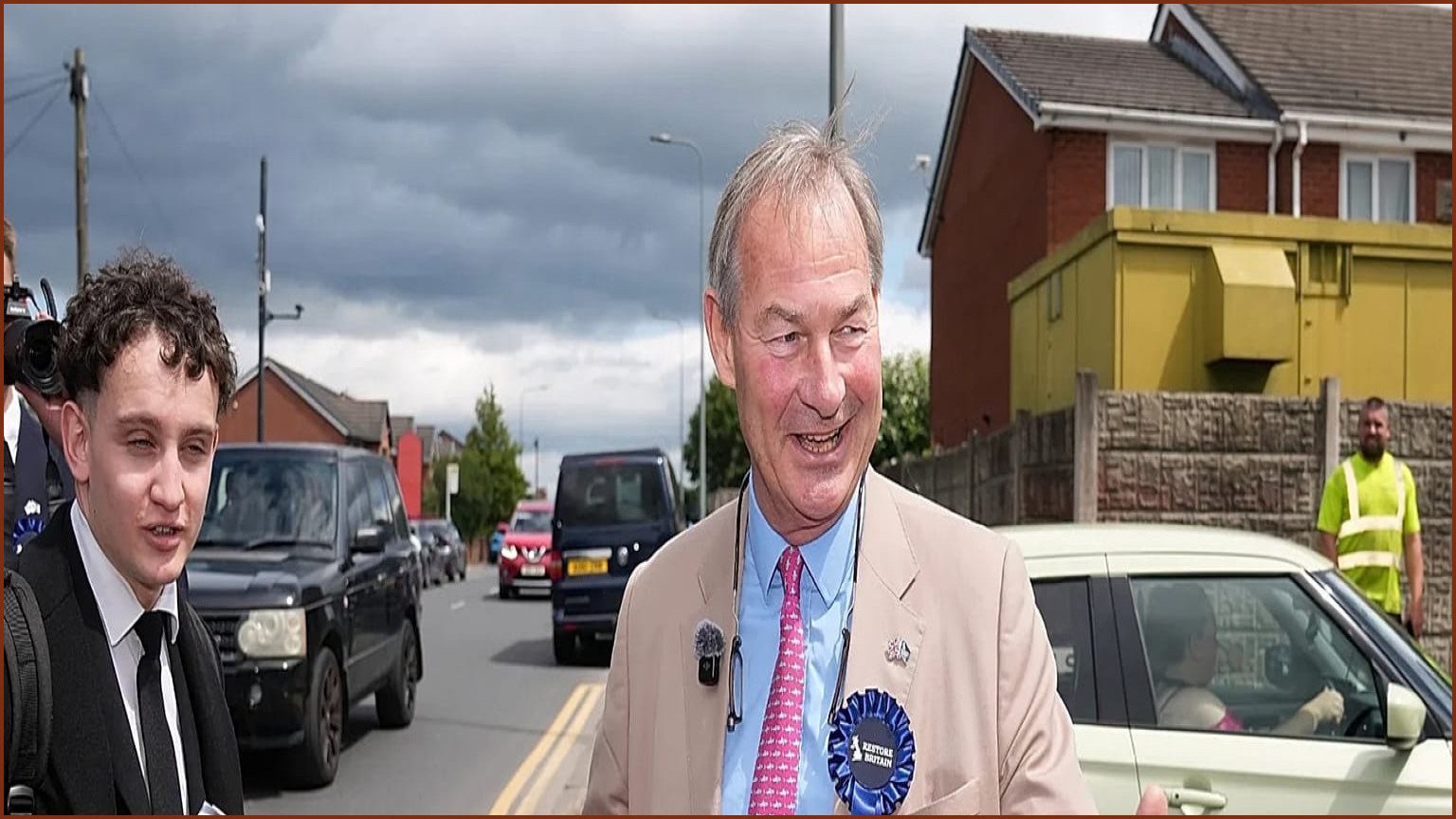
Rupert Lowe, the leader of the hard-right Restore Britain party, has issued a formal invitation to Reform UK’s Nigel Farage, proposing an alliance to challenge the UK’s left-wing political landscape. In a video message released on Sunday, Lowe urged Farage to move past historical grievances and personality clashes to consolidate what he described as a "hopelessly divided" right-wing movement.
Lowe, who served as a member of parliament for Reform UK until his departure in 2025, outlined five specific conditions that he believes are essential for a "common way forward." Central to his proposal is a hardline stance on immigration. Lowe argued that simply ending mass migration is insufficient, asserting that the current situation requires a reversal, with the mandatory deportation of every illegal migrant.
His second condition focuses on what he terms "demographic security" and the objective of reversing the "Islamification of Britain." Citing projections suggesting that white Britons could eventually become a minority, Lowe insisted that any potential cooperation must include an agreement to ban the burqa, halal and kosher slaughter, cousin marriage, Sharia courts, and mass public Islamic prayer.
Thirdly, Lowe is demanding a commitment to a national referendum on the reintroduction of the death penalty. He argued that the British public deserves a "full, free, and fair" vote on the matter. Fourthly, he called for a strategy to restore a "self-sufficient Britain," which he proposed achieving through strict spending controls, welfare cuts, and inflation management. Lowe acknowledged that this approach would require "enormous cuts" and the implementation of "difficult, unpopular decisions."
Finally, the proposal includes a requirement to restore public trust in Westminster. Lowe stated that former Conservative ministers who previously failed the country should be barred from any future cabinet, declaring that "they had their chance." By aligning on these points, Lowe believes the two parties could effectively counter the current government and prevent the further decline of the nation.
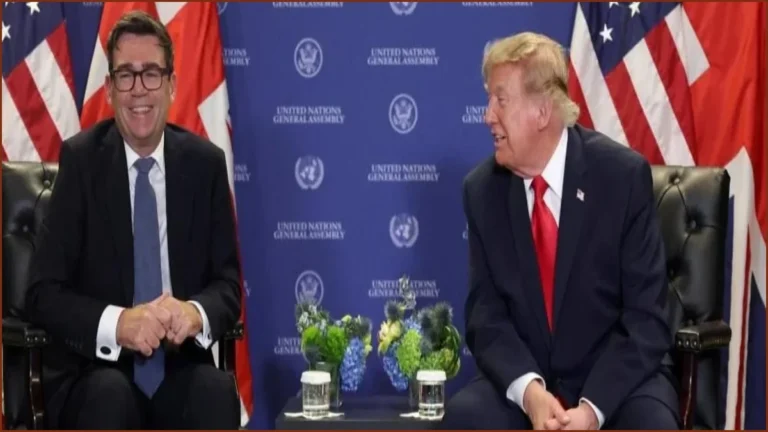
The political landscape has shifted significantly since Andy Burnham, the former mayor of Greater Manchester, became the UK's seventh prime minister in a decade last month. Burnham succeeded Keir Starmer following a decisive victory in the Makerfield by-election in June, where he secured a large majority despite challenges from both Reform UK and Lowe’s Restore Britain. While the contest was anticipated to be a tight race between Labour and Reform, the presence of Restore Britain split the right-wing vote, though Burnham ultimately claimed approximately 55% of the vote.
Since assuming office, Prime Minister Burnham has prioritized domestic policy, including reforms to the education system, an overhaul of social care, and the advancement of devolution pledges. His administration has also committed to an £8.4 billion investment in the UK's nuclear deterrent and has maintained support for Ukraine in its conflict against the invading forces of Russian President Vladimir Putin.