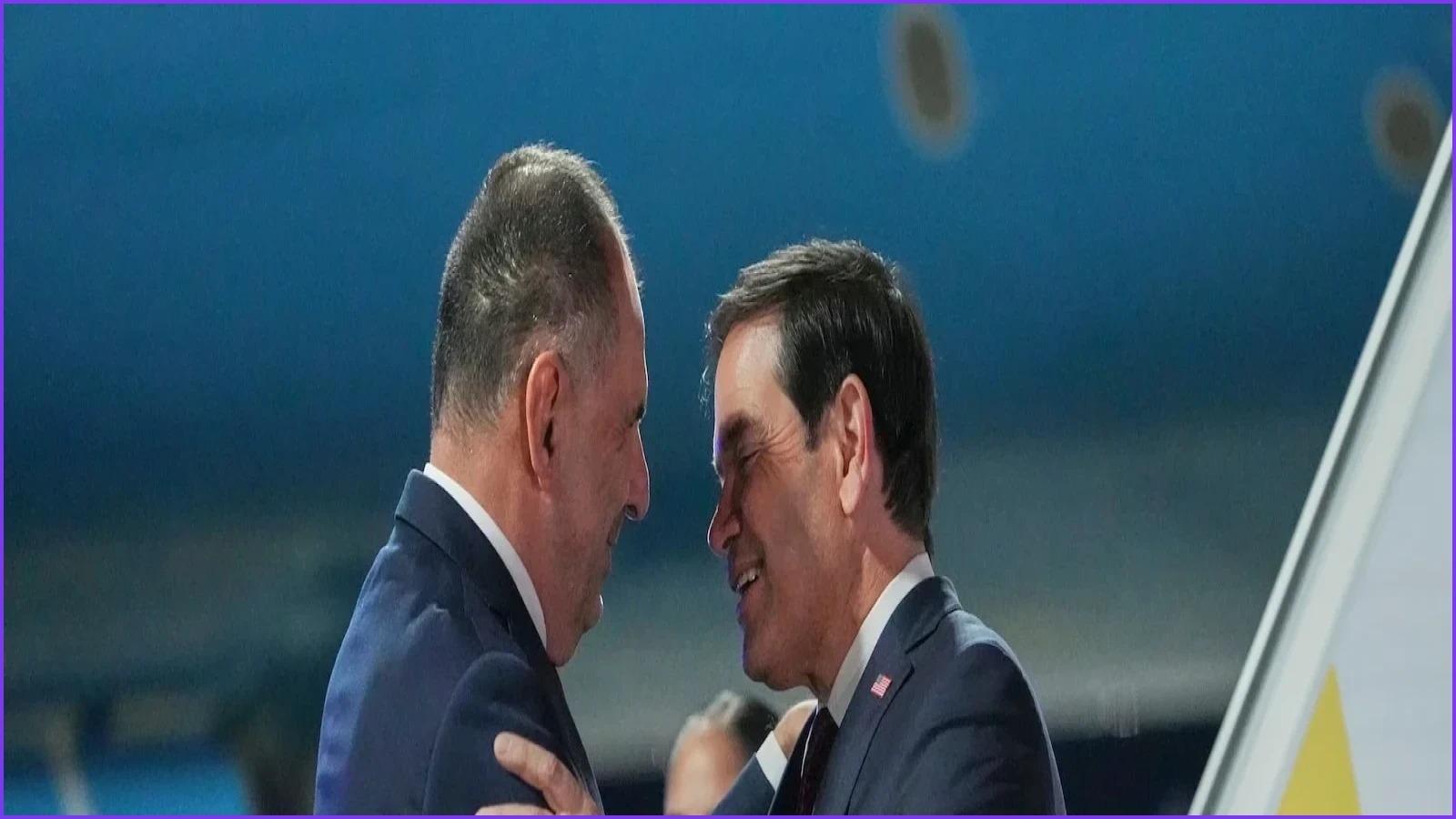
U.S. Secretary of State Marco Rubio is poised to deliver a major address in Athens, Greece, where he will call upon Western nations to reaffirm their civilizational foundations and reinstate the core values that historically propelled Europe and North America to global prominence. The State Department has characterized the upcoming speech as a pivotal statement on the future of democracy.
According to the department, Rubio intends to urge both Americans and Europeans to unite in a significant revitalization of the Western spirit, an inheritance tracing back from ancient Athens and Rome through Christendom to the establishment of the American Republic. He is expected to highlight qualities such as curiosity, courage, ambition, and a restless spirit of exploration and discovery, which he asserts were born in Greece and later defined the West.
Rubio will warn that these essential qualities have been largely forgotten by too much of Western civilization. He plans to encourage allies across the West to join the United States in rejecting decline, defending their shared heritage, and collectively confronting a new era of great-power competition.
Widely regarded as a more measured voice within the Trump administration, Rubio has frequently been tasked with clarifying or addressing concerns stemming from President Trump’s often undiplomatic remarks. His Athens speech may also be perceived as a continuation of Vice President JD Vance’s forceful address at last year’s Munich Security Conference, where Vance criticized Europeans for allowing unchecked immigration, over-relying on America, and neglecting their own security. Both Vance and Rubio are considered leading contenders to succeed Trump at the helm of the Republican Party, which faces considerable challenges in the upcoming congressional midterm elections.
The Trump administration has consistently accused European countries of deviating from traditional values and democratic principles, citing instances of stifled free speech for conservatives and insufficient commitment to international partners like the United States. Many of these European nations have, in turn, rejected these complaints, accusing the U.S. under Trump of similar or worse conduct, particularly regarding its firm anti-immigration stance, which some perceive as racist.
Ahead of Rubio’s visit to Athens, approximately 1,500 individuals gathered to protest his presence and the war in Iran, chanting “American killers!” The demonstration was organized by a communist labor union and other left-wing groups, occurring before extensive road closures planned for Wednesday in Athens. Organizers reported similar protests in at least 12 other Greek cities.
Rubio is currently on the second leg of a three-nation tour of NATO allies, which began in Iceland and is scheduled to conclude in Portugal on Thursday. The tour aims to reassure U.S. partners of the Trump administration’s commitment to their success and security, despite an often abrupt and sometimes impolite approach to traditional allies that has caused unease.
During his stop in Iceland on Thursday, Rubio began emphasizing historical themes, meeting Iceland's foreign minister at the site of the landmark 1986 summit between former President Ronald Reagan and then-Soviet leader Mikhail Gorbachev. This meeting is widely believed to have marked the beginning of the end of the Cold War and served as a catalyst for the eventual dissolution of the Soviet Union.
In Reykjavik on Tuesday, Rubio sought to alleviate Iceland's concerns, assuring them that the Trump administration harbors no designs on the island. Instead, he stated that the U.S. shares Iceland's deep concerns about Arctic security amidst rising tensions between the U.S. and Russia in the High North and other regions. Iceland had expressed unease regarding Trump’s intentions after he posted a map depicting the colors of the U.S. flag extending across North America to include Iceland and Greenland. This apprehension persisted despite a recent agreement last month to increase the U.S. presence in the neighboring Danish territory of Greenland, which appeared to resolve Trump’s demands for the U.S. to take full control of that island. Following Rubio’s discussions in Reykjavik, these tensions seemed to subside, with Rubio affirming that the United States would not take any action in Iceland without its consent.
Before delivering his speech in Athens, Rubio is also likely to face questions regarding allegations of misconduct against U.S. Ambassador to Greece Kimberly Guilfoyle. Senator Jeanne Shaheen and Representative Gregory Meeks, the top Democrats on the Senate Foreign Relations and House Foreign Affairs committees, respectively, have initiated probes into claims reported last month by the Wall Street Journal. The Journal alleged that Guilfoyle acted improperly during her tenure as the top U.S. envoy to Greece, including telling reception guests that the U.S. could undermine the Greek government if it chose to, promoting the business interests of a specific Greek construction and energy company, and allowing its lobbyist into private diplomatic meetings.
Guilfoyle, a former Fox News Channel host and California prosecutor who was once engaged to Trump’s son Donald Jr., has denied any wrongdoing. Rubio has previously defended her, stating after the Journal story appeared that she “has been an incredible advocate for the president’s agenda in Greece and across Europe.” He added that he and Trump highly value the ambassador’s “pivotal work and leadership,” particularly on energy issues.