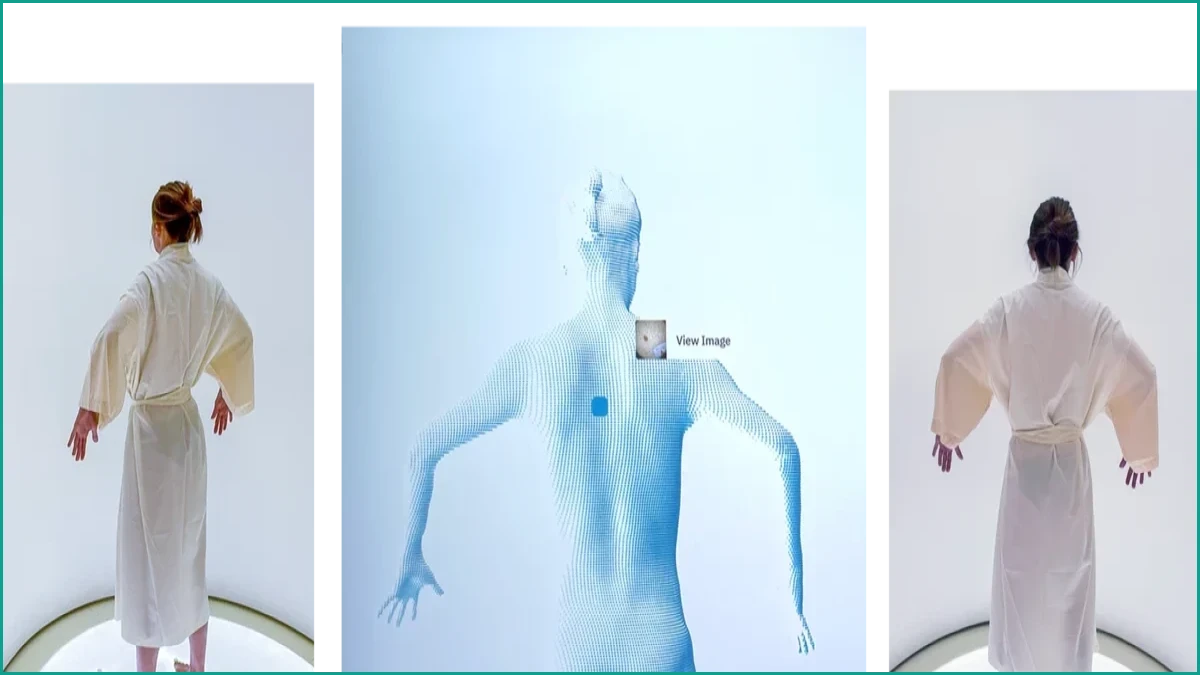
A growing industry offering full-body health MOTs is gaining traction, with individuals paying hundreds or thousands of pounds to access advanced screening technology. These clinics, which have seen companies like Prenuvo, Ezra, and Neko Health secure millions in venture capital, promise to detect potential health issues before symptoms even appear. In a Manchester city centre clinic, for instance, patients are scanned by 70 cameras that capture 2,000 images, which are then processed by AI into a 3D avatar of the body. These scans screen for a wide array of conditions, including skin cancer, type 2 diabetes, cardiovascular disease, kidney and blood disorders, and eye conditions like glaucoma.
Proponents of this technology argue it represents a significant evolution in healthcare. Hjalmar Nilsonne, a founder of Neko Health, advocates for making preventative treatments accessible to everyone, not just the wealthy. He contends that primary care remains too basic and reactive, stating that prevention is preferable to cure. The popularity of these services is evident on social media, where clients frequently share their experiences undergoing blood tests, grip strength assessments, and high-tech body imaging.
However, the medical community remains divided. While the industry positions itself as a new frontier for proactive health management, doctors and GPs have expressed significant concern. NHS England has issued warnings, suggesting that the widespread adoption of these scans could lead to unnecessary anxiety, over-diagnosis, and an influx of avoidable investigations that could place further strain on the health service. For the patients involved, the experience can be daunting, involving robotic instructions and lengthy scanning sessions. While the allure of early detection is strong, the debate continues over whether these private MOTs offer genuine clinical benefit or if they risk overwhelming the public healthcare system with false positives and incidental findings.
More than 2,000 images were taken of Ruth's skin
I don't mind having my photo taken – triple checked and filtered for Instagram – but 70 cameras pointing at me while I'm down to my knickers is a bit daunting.