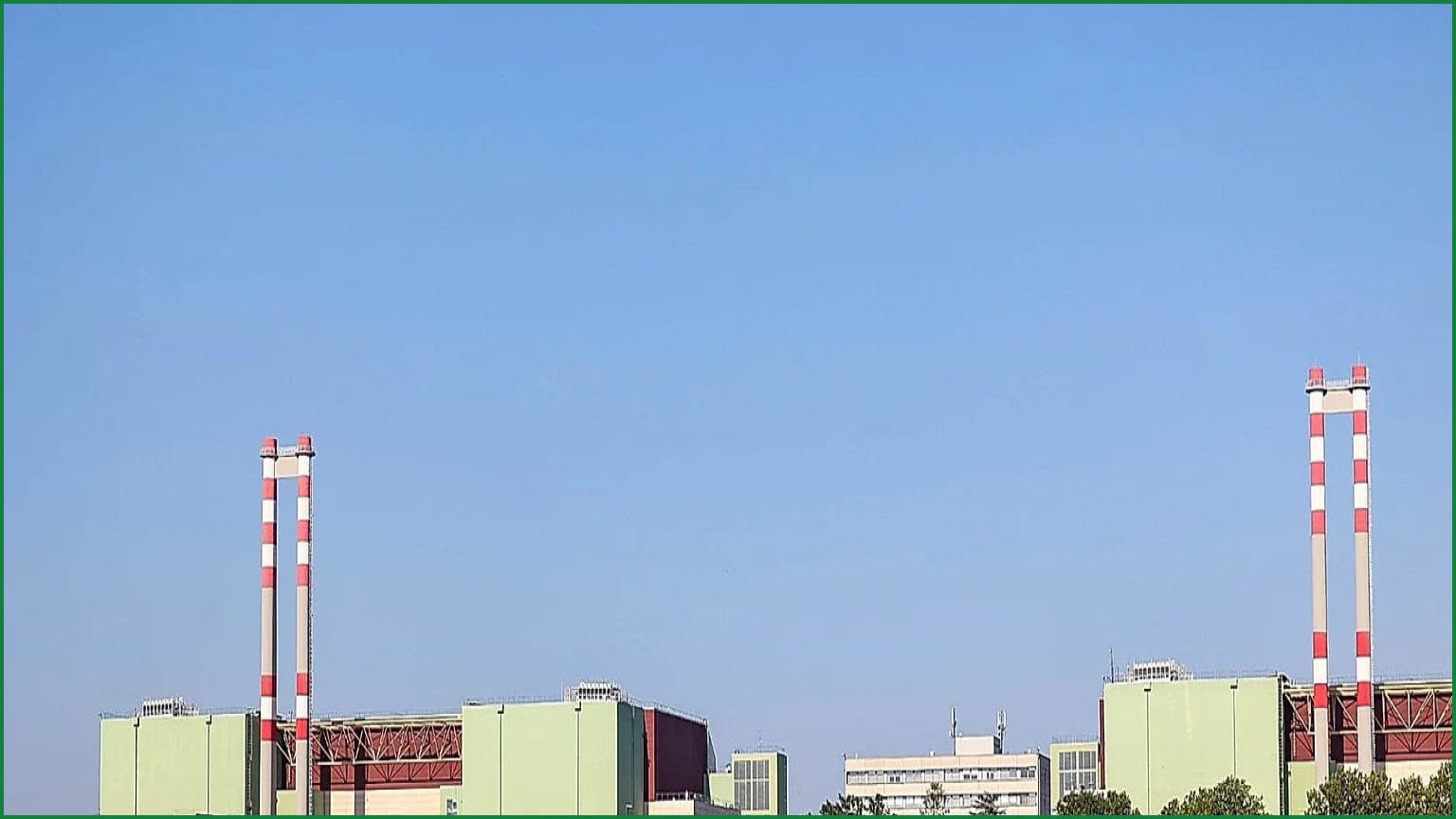
The Paks Nuclear Power Plant has commenced a phased reactivation of its shut-down capacity following a significant rise in the water level of the River Danube. The plant began reconnecting one of its turbines to the grid on Monday evening after the river level climbed above the critical low point recorded just one week prior. Once the river had climbed back above the critical low recorded a week earlier, it became possible for one turbine to start producing electricity again from Monday evening. The reconnection is taking place under strict technical and safety conditions.
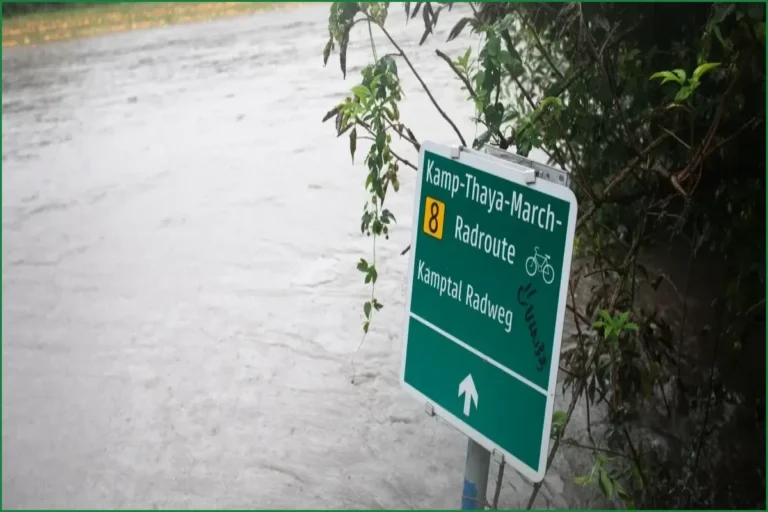
Earlier in August, the Danube experienced a historic drop, reaching minus 134 centimetres at Paks. This situation forced the plant to gradually shut down three of its four reactor units, leaving only a single turbine in operation. The recent improvement is attributed to rainfall in Austrian catchment areas, which created a flood wave that has now reached the Paks section of the river. This 19-centimetre increase in water depth provides the necessary volume to ensure safe cooling operations.
With the reactivation of the additional generating unit, the plant's output is expected to increase from the 240 megawatts maintained during the critical period to 500 megawatts. Officials emphasized that nuclear safety remains the absolute priority, and the reconnection process is subject to stringent technical and safety requirements. The rise in the Danube has restored the efficiency of cold-water channel pumps, which is vital for condenser cooling.
Throughout the period of low water, systems responsible for cooling the reactor core and spent fuel pools remained fully operational. Before the turbine could be brought back online, technicians ensured that adequate vacuum levels were achieved in the condenser and that the secondary-circuit water quality met all necessary standards. The reactor's thermal output and steam volume are being synchronized with the grid connection through a carefully controlled, step-by-step timetable. Furthermore, around half a million components also have to be subjected to diagnostics. Operating specialists will ensure that the heat and the temporary shutdown have not caused microscopic material defects in the equipment.