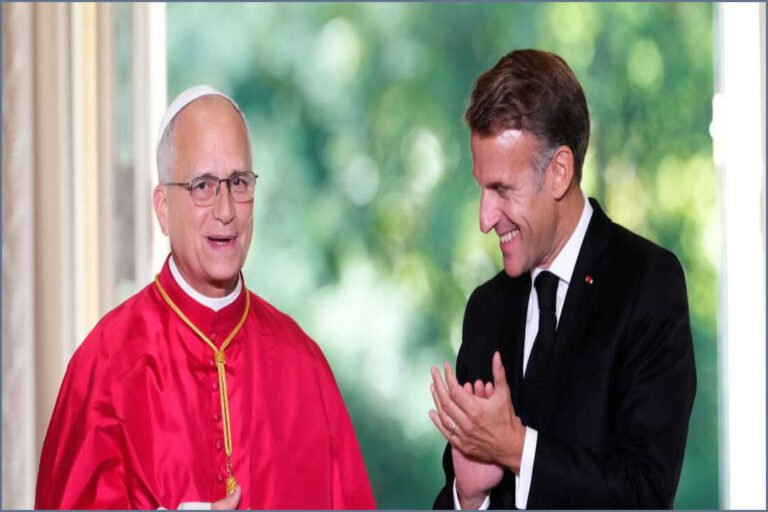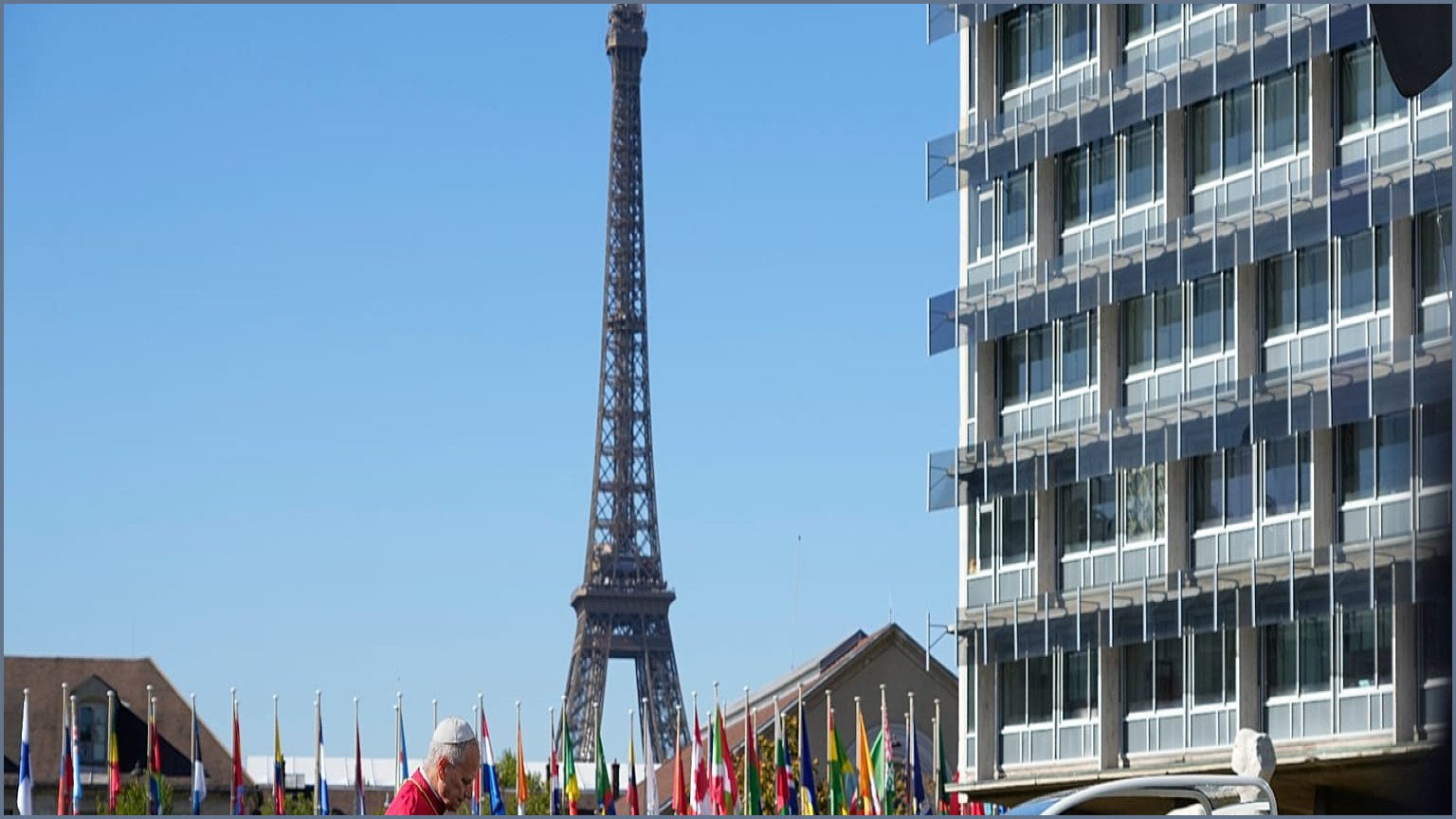
Pope Leo XIV issued a strong warning regarding the risks of artificial intelligence on Friday, emphasizing that emerging technologies must remain firmly at the service of humanity. Speaking at the UNESCO headquarters in Paris as part of his four-day visit to France, the pontiff argued that AI should not be allowed to become an instrument of domination and injustice. He cautioned that the technology risks impoverishing human relationships and ideas through a process of dehumanization, while also criticizing the modern societal emphasis on productivity.
Delivering his address in both English and French, the Pope stated that judging individuals solely by the criterion of efficiency threatens human dignity. He warned that this mindset leads to the rejection of those who are deemed no longer productive. This theme has been central to his pontificate; in May, he released his 42,300-word encyclical titled "Magnifica humanitas," which examined the dangers of unchecked artificial intelligence and advocated for increased regulatory oversight.
The pontiff also addressed the current global climate of conflict, including the war in the Middle East and Russia's invasion of Ukraine. The Pope also addressed war and reference UNESCO's motto, "since wars begin in the minds of women and men, it is in the minds of women and men that the defences of peace must be constructed." Against this backdrop, the Pope declared that "humanity has come to realise that scientific progress, when it's severed from wisdom, can turn into a weapon of destruction." Reflecting on international institutions, he acknowledged they are viewed with mixed feelings, often struggling with a crisis of effectiveness when dialogue is perceived as an obstacle to action. In response, he urged for greater trust, noting that differences do not necessarily constitute a threat.
The Pope’s remarks arrive amid rising international political tensions. In July 2025, the Trump administration announced its intention to withdraw from UNESCO, characterizing the body as "woke" and out of step with American policies; this withdrawal is scheduled to take effect in December 2026. Earlier in the day, French President Emmanuel Macron welcomed the Pope to the Elysée Palace, where attendees included diplomatic authorities, firemen who responded to the Notre-Dame-de-Paris fire, and various religious representatives.
The pontiff also reaffirmed the human right to life as the indispensable foundation for all other rights, a point of tension given France’s 2024 constitutional change regarding abortion and recent legislation concerning assisted dying. Furthermore, he reiterated the Vatican's firm opposition to nuclear weapons, rejecting the belief that nuclear deterrents offer genuine solutions. Following his address at UNESCO, the Pope participated in a parade through Paris, attended Vespers at the Notre-Dame-de-Paris cathedral, and led a prayer vigil for young people at the Stade de France in Saint-Denis.
European policymakers have been grappling with how to protect children from online harms, with measures such as school phone bans already in place, while the European Commission has proposed the Kids Act, which could restrict social media access for children under 13, gaining increasing attention.
During his address, the pontiff reaffirmed the importance of the human right to life — a tense sticking point between France's Catholic Church and politicians.