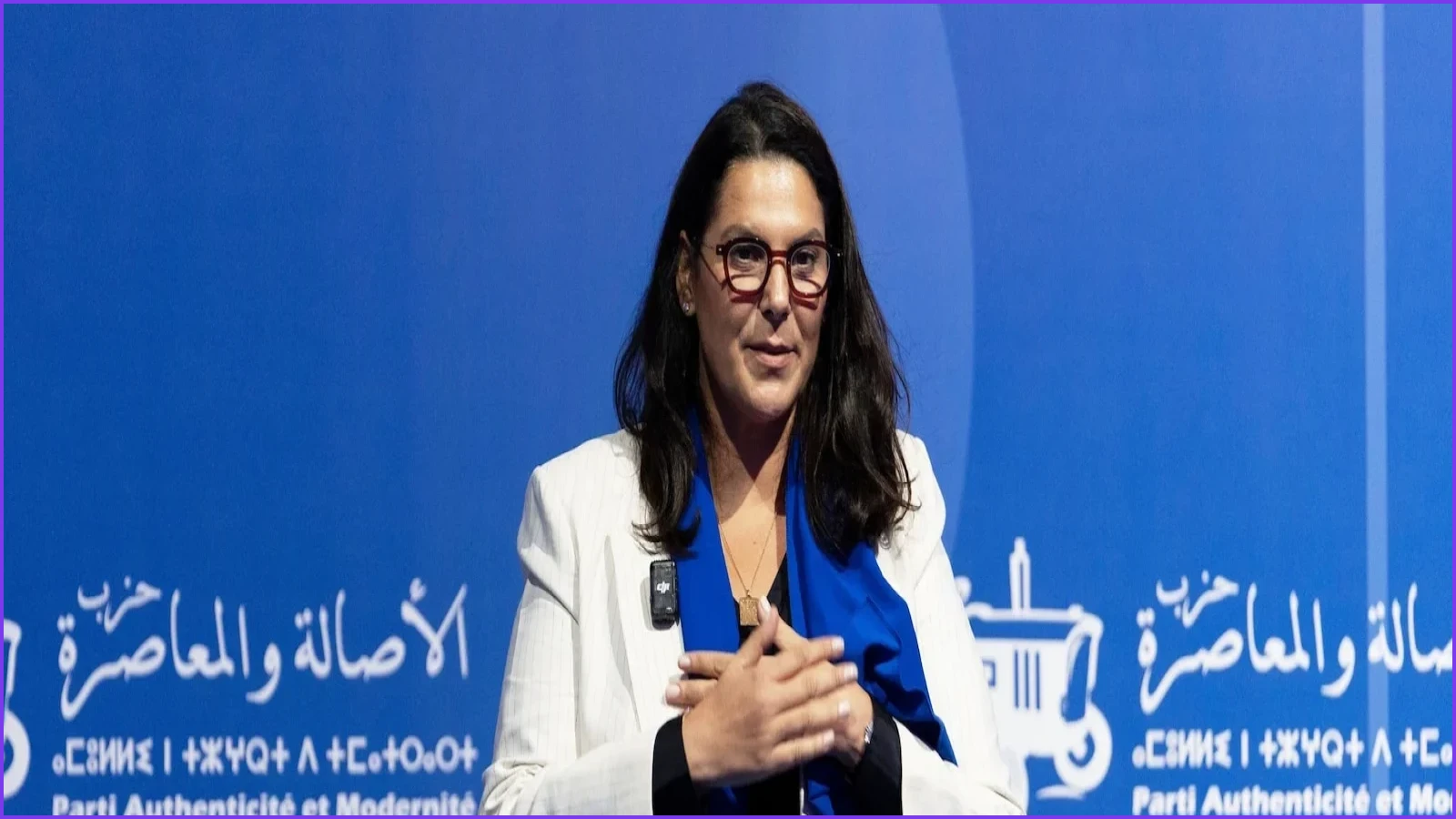
Morocco’s Authenticity and Modernity Party, widely known by its French acronym PAM, has emerged as the winner of the country's latest parliamentary election. Final results confirmed by the Interior Ministry on Friday show the party secured 97 of the 395 seats available in the House of Representatives. Despite this victory, the party fell short of an absolute majority, meaning it must now enter negotiations with other political factions to establish a governing coalition.
The election, which saw a voter turnout of 38%—the lowest recorded since 2007—was held against a backdrop of significant social and economic pressure. Out of 15.8 million registered voters, only six million participated. The campaign was defined by public frustration regarding high unemployment rates, the rising cost of living, and persistent demands for improvements to the nation’s schools, hospitals, and housing infrastructure. This marked the first electoral test since the Gen Z-led protests of last year and the high-profile mass migration attempts that occurred in Ceuta this past July.
The incoming administration is expected to face immediate pressure to address these domestic concerns. Furthermore, the government will play a pivotal role in managing billions of dollars in planned investments as the country prepares to co-host the 2030 World Cup, a responsibility that has led some observers to dub it the “World Cup government.”
PAM, which was founded in 2008 by Fouad Ali El Himma, a childhood friend of King Mohammed VI, has solidified its position as a major political force. It serves as a long-standing counterweight to the moderate Islamist Justice and Development Party (PJD), which previously held government leadership for a decade. The PJD saw its seat count drop to 54 in this election, though this was an increase from the 13 seats it held in 2021. The PJD has already announced it will remain in the opposition. Meanwhile, the National Rally of Independents (RNI), which was part of the outgoing coalition, faced significant losses, securing 66 seats.
Despite a prior scandal involving drug- and gold-trafficking that led to prison sentences for several senior PAM members, the party managed to increase its seat count compared to the previous election. PAM leadership has stated it will not form a coalition with the RNI, making an alliance with the third-place Istiqlal party and other smaller groups the most likely path to reaching a majority. A coalition with the PJD is considered unlikely due to deep-seated political rivalries.
Under the Moroccan Constitution, the King is responsible for appointing a prime minister from the party that wins the most seats. Potential candidates within PAM include the 56-year-old budget overseer and soccer federation president Fouzi Lakjaa, or Fatima-Zahra Mansouri, the 50-year-old mayor of Marrakech and minister of urban planning. If appointed, Mansouri would become the first female prime minister in Moroccan history.