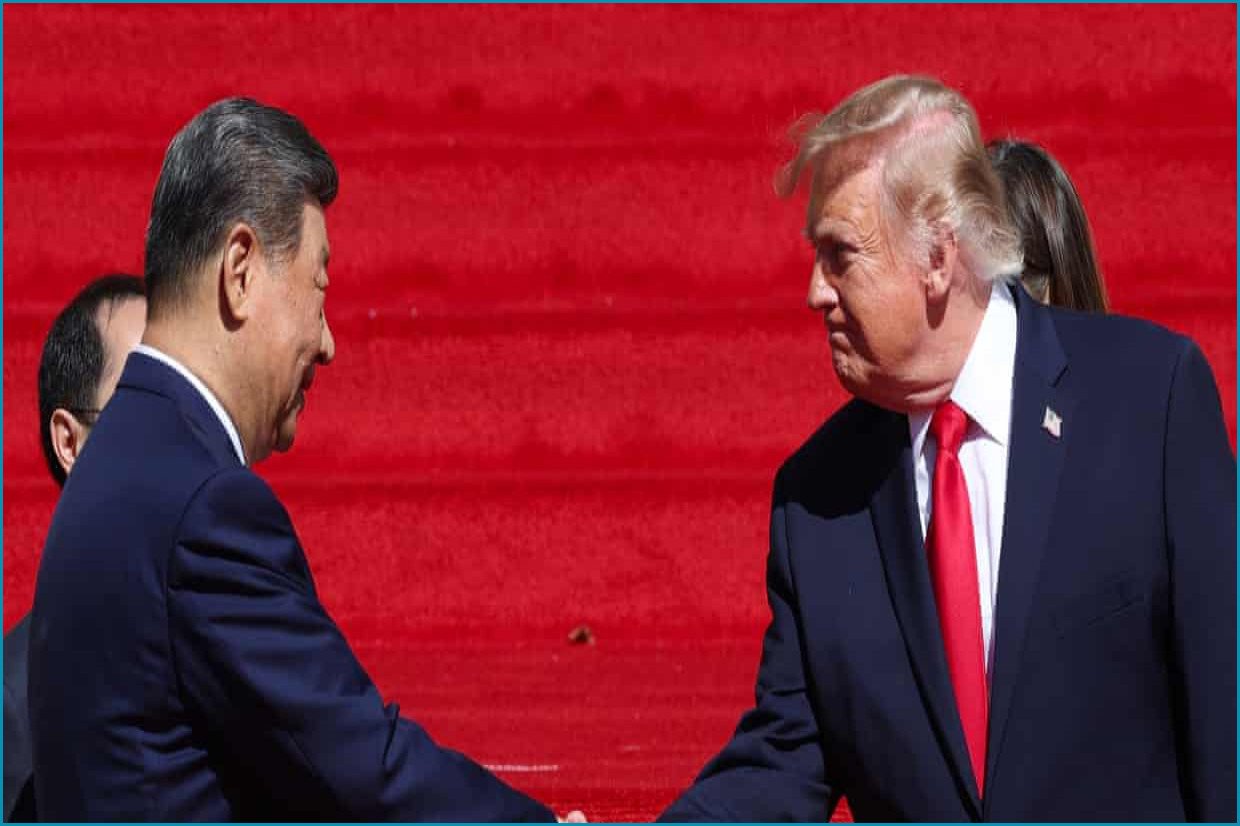
President Donald Trump and Chinese President Xi Jinping wrapped up their three-day state visit in Washington on Friday, leaving observers concerned that the leaders missed a critical opportunity to address the escalating artificial intelligence arms race between their two nations. While the visit was marked by significant pomp and circumstance, including a red-carpet welcome at Joint Base Andrews and a tour of the White House, the summit lacked substantive policy breakthroughs, with the most notable announcement being a modest two-month extension of a trade truce.
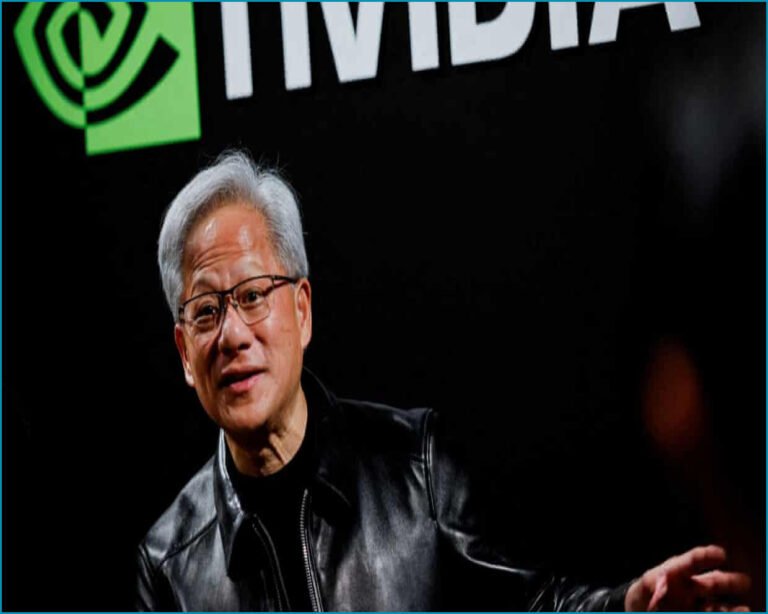
Despite the presence of major tech figures at a black-tie state dinner on Thursday—including Elon Musk of SpaceX and Tesla, Lisa Su of Advanced Micro Devices, Jensen Huang of Nvidia, and Tim Cook of Apple—the two leaders failed to establish a framework to manage AI development. Critics pointed to the absence of meaningful dialogue on the existential risks posed by the technology. Ro Khanna, the top Democrat on the House select committee on China, expressed disappointment, stating that the summit was a missed opportunity for leadership. Khanna argued that a simple agreement to establish technical working groups for collaboration between American and Chinese labs could have served as a vital step toward safety, yet he observed that Trump showed no interest in such a measure.
The summit's focus remained largely on personal rapport rather than policy. On Thursday, Xi acknowledged the shared responsibility to develop AI for the public good and ensure it remains under human control. China has set ambitious targets, aiming for over 90% penetration of next-generation smart terminals and AI agents by 2030. In contrast, Trump has consistently emphasized the necessity of the United States maintaining its technological lead over China, opting to rebrand the topic as "super intelligence" while offering little clarity on the substance of their private discussions.
The event drew sharp criticism from various political corners. Senator Bernie Sanders labeled the state dinner a display of "a government of, by and for the billionaire class," noting the immense net worth of the tech titans in attendance. Meanwhile, Jonathan Czin of the Brookings Institution described the summit as "theatre of the absurd," suggesting that neither leader appears to fully grasp the complexities of the technology they are racing to dominate. Czin remarked that the meeting managed to fall below already low expectations, leaving it unclear what the United States gained from the engagement.
Senate Minority Leader Chuck Schumer also voiced strong disapproval, accusing Trump of prioritizing photo opportunities and flattery from authoritarian leaders over securing concessions on critical issues like trade, security, and human rights. The visit also faced controversy regarding press access, as the administration faced a legal battle after temporarily barring several news outlets from the White House grounds, even as Chinese state media were granted entry. As in May, when Trump visited Beijing, the leaders did not hold a press conference.
The leaders concluded their visit with a trip to the National Archives to view the original Declaration of Independence, the constitution, and the Bill of Rights, where Trump remarked on the difference between the 250-year history of the United States and China’s 6,000-year legacy. Looking ahead, the pair is expected to meet twice more this year: in November at the Asia-Pacific Economic Cooperation summit in Shenzhen, and in December at the Group of 20 summit at the Trump National Doral Miami golf club in Florida.
Later Trump hosted a black-tie state dinner attended by titans of the tech industry. Bernie Sanders, an independent senator of Vermont, used social media to label a photo of Trump and Xi’s table with guests’ net worth: Elon Musk of SpaceX and Tesla ($928bn), Lisa Su of Advanced Micro Devices ($3.5bn), Jensen Huang of N