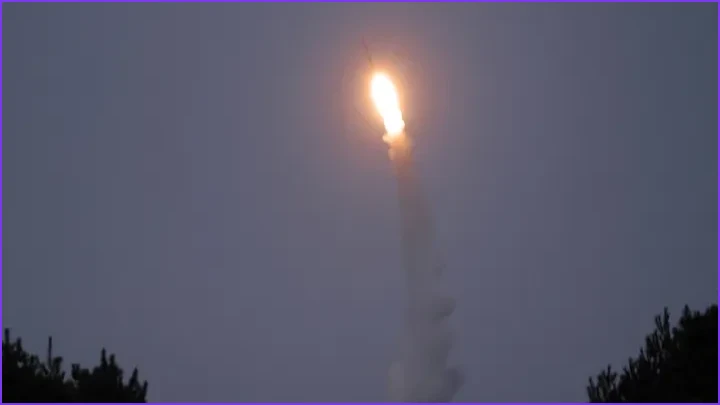
North Korea has launched multiple ballistic missiles toward the East Sea in what South Korean officials believe is an apparent response to Seoul's successful flight test of a hypersonic glide vehicle conducted last week. South Korea's Joint Chiefs of Staff (JCS) detected the projectiles being fired from the Pyongyang region.
According to reports from the Yonhap News Agency, at least one of the missiles traveled a distance exceeding 900 kilometres. JCS spokesperson Jang Do-young suggested that the launches might also serve to showcase technical progress as part of Pyongyang's five-year defence modernisation blueprint. However, officials declined to confirm whether the projectiles were intermediate-range ballistic missiles or hypersonic systems, stating that further technical analysis remains ongoing.
Regional authorities in Japan confirmed the detection of two suspected ballistic missiles, noting that they landed in waters outside of Japan's exclusive economic zone. The US Pacific Command issued a statement regarding the situation, confirming that it is in close consultation with regional allies. The command stated that based on current assessments, the event does not pose an immediate threat to US personnel, territory, or its allies, while reiterating Washington's ironclad commitment to regional defense.
These missile tests occur against a backdrop of heightened friction along the inter-Korean border, following a landmine detonation inside the Demilitarised Zone (DMZ) on September 21. That incident resulted in injuries to three South Korean soldiers, two of whom were reported to be in critical condition. A joint inquiry conducted by Seoul and the UN Command concluded that North Korean forces had deliberately laid the explosives. Pyongyang has rejected these findings as fabricated and issued warnings that it would retaliate against any countermeasures taken by the South. As of now, Pyongyang has not released an official public statement regarding the missile launches.